Who Can Be Held Liable in a Florida Truck Accident Case?
A truck accident can leave people with serious injuries, high medical expenses, and long-term stress. When you ask who can be held liable in a Florida truck accident case, the answer depends on the facts and the actions of multiple parties involved in the crash. Many commercial vehicles are large and heavy, so the damage can be severe. People often wonder how to recover compensation and what steps are needed to prove fault.
Fiol and Morros Law Group helps you understand truck accident liability, the legal process, and which potentially liable parties may be held responsible for your losses. When someone is injured in a truck crash, they face medical bills, lost wages, and emotional distress, and they need clear guidance.
A truck accident in Florida is never simple, and a well-planned approach is important in any truck accident case. Learning who may be liable for a truck crash makes it easier to seek compensation and move forward.
Understanding Liability in Florida Truck Accident Cases
Liability in Florida truck accident cases depends on the cause of the crash and the behavior of everyone involved. Florida law looks at fault levels, safety rules, and the actions of the truck driver, the trucking company, and others.
The goal is to determine liability so you can file a proper truck accident claim. Here's how fault is measured and who may be held liable:
Florida’s Modified Comparative Negligence Rule
Under Fla. Stat. § 768.81, fault is divided by percentages. If you share some fault, your recovery is reduced by that percentage. If your fault exceeds 50%, you cannot recover. This rule applies when multiple parties are responsible for the crash.
It helps courts understand how driver negligence, gross negligence, mechanical failure, or distracted driving played a role. It also affects personal injury lawsuits or wrongful death claims when several groups contributed to the harm.
Florida’s Statute of Limitations for Truck Accident Claims
Under Fla. Stat. § 95.11, you generally have two years to file a legal claim for a truck accident lawsuit. This applies to property damage, serious injuries, and claims tied to personal injury protection.
Missing this deadline means you cannot file, no matter how strong the case is. That is why early action helps protect your right to pursue compensation.
When Federal Trucking Regulations Also Apply (FMCSA Rules)
Many trucking operations must comply with federal regulations. These rules apply to large commercial vehicles, safety checks, driver qualifications, and driving-hour limits. When these rules are broken, it strengthens a claim and shows unsafe conduct by both the driver and the company.
Parties Who May Be Liable in a Florida Truck Accident

Many crashes involve multiple parties, and each can add to the harm. Understanding the responsible parties helps determine liability and build a strong truck accident claim.
The Truck Driver
A truck driver may be at fault for distracted driving, speeding, fatigue, or poor choices at the accident scene. They must follow safety standards, avoid pressuring drivers, and keep control of the vehicle. When their actions cause harm, they may be held liable.
The Trucking Company (Carrier)
A trucking company may be responsible for negligent hiring, hiring unqualified drivers, unsafe trucking operations, failing to follow safety rules, or failing to train drivers. Many trucking companies also push schedules that cause fatigue or rule-breaking. They can be held responsible for the harm.
The Truck Owner (If Different From the Carrier)
Sometimes the truck is owned by one group and operated by another. The owner may be at fault for poor vehicle maintenance, worn parts, or ignoring needed repairs. This matters because owners must keep the vehicle safe so no one is harmed in a Florida truck accident.
Cargo Loaders or Shipping Companies
Cargo loaders may be liable if the load was improperly loaded, unbalanced, or unsecured. These issues can cause rollovers or jackknifes and can support a claim for fair compensation. Safe loading is important because loose cargo can turn a small mistake into a major truck accident.
Truck or Parts Manufacturers
Vehicle manufacturers may be at fault if a defective system, such as brakes or steering, caused the crash. A defect can affect mechanical failure and increase harm. When a part fails without warning, it can place everyone on the road at risk of a truck accident in Florida.
Maintenance and Repair Companies
Outside maintenance providers may be responsible when bad repairs, skipped inspections, or missing maintenance records contributed to the crash. Poor repair work can make it harder to control large commercial vehicles and raise the chance of a serious crash.
Government Entities
Under Fla. Stat. § 768.28, government entities can be liable when unsafe roads, poor signs, or bad lighting caused the crash. Claims against public agencies are subject to special rules and require careful handling. These cases are more complex because the law limits how you bring a truck accident claim against a public agency.
How Liability Is Proven in a Florida Truck Accident Case
Proving fault requires a thorough investigation and strong evidence. Each type of proof helps show what happened, why it happened, and who should be held liable.
Here's how lawyers build a strong case for financial recovery:
Driver Logs and Black Box (EDR) Data
These records show hours worked, speed, braking, and other details. They help prove liability and show if pressuring drivers or rule-breaking occurred. This data is important because it provides a clear picture of the truck’s actions before the accident.
Truck Inspection and Maintenance Records
These files show if vehicle maintenance was skipped or ignored. They also help show how mechanical failure contributed to the crash. Strong records make it easier to show which responsible parties failed to keep the truck safe.
Cell Phone Records and GPS Tracking
These tools help show distracted driving, location, or speeding patterns. They also reveal driver behavior that may indicate negligence at the time of the crash.
Cargo Loading Documentation
This evidence shows whether the load was safe or improperly loaded, which helps explain how the crash occurred. These documents help link unsafe loading choices to the harm suffered by truck accident victims.
Accident Reconstruction Experts
Accident reconstruction experts and accident reconstruction specialists review the scene, speed, impact points, and more to support the case. Their reports provide a clear picture of the accident scene, which helps determine liability.
Witness Statements and Police Reports
People who witnessed the crash and the police report can provide clear details about fault and unsafe conduct.
These statements are useful because they support the facts needed to prove liability against multiple parties.
Federal Regulations That Affect Liability
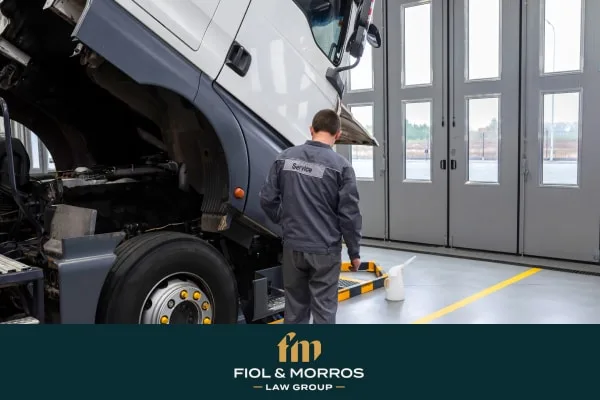
Federal rules help keep the trucking industry safe and reduce the risk of a truck accident. When these rules are broken, it can help show fault and support a truck accident claim. These safety standards guide how drivers operate, how trucks are maintained, and how cargo is secured.
Understanding these rules helps show who can be held liable.
Hours-of-Service Limits
Under 49 CFR § 395, drivers must adhere to strict limits on driving hours and rest for set periods. These rules help prevent fatigue, which is a major cause of truck accident liability. When a driver ignores these limits, it can show driver negligence and unsafe choices. Violations can also support a personal injury lawsuit for truck accident victims.
Drug and Alcohol Testing Requirements
Under 49 CFR § 382, trucking companies must test drivers for drugs and alcohol during hiring, after certain events, and at random times. These tests help keep unsafe drivers off the road and protect the public from harm. If a company ignores these rules, it may be held liable for gross negligence in a Florida truck accident.
Vehicle Maintenance Standards
Under 49 CFR § 396, trucks must be inspected, repaired, and maintained on a regular schedule. These rules help prevent mechanical failure that can lead to crashes. Poor care can show fault against maintenance providers, vehicle manufacturers, or the trucking company.
When records show missed repairs, it becomes easier to prove liability and seek compensation for serious injuries.
Cargo Securement Rules
Under 49 CFR § 393, all cargo must be tied down, balanced, and secured so it does not shift during travel. Unsafe loads can cause rollovers, jackknifes, or falling debris. When cargo is improperly loaded, it can result in claims against cargo loaders or shipping companies. These rules help support claims for fair compensation after a Florida truck accident.
Why Multiple Defendants Can Increase Recovery Potential
When multiple parties are involved in a Florida truck accident, there are more ways to support a strong truck accident claim. Each group that contributed to the crash may be held liable, thereby expanding the available insurance coverage.
This can help truck accident victims pursue better financial recovery. The sections below explain why spreading fault can improve your chance of fair compensation.
Higher Commercial Insurance Policies
Many defendants carry separate commercial policies that can help cover medical expenses, lost wages, and property damage. More coverage gives you a better chance to recover compensation for serious injuries.
Shared Fault Means Shared Financial Responsibility
When multiple parties share blame, each one must help pay for the harm. This makes it easier to cover costs linked to medical bills, emotional distress, and long-term care needs.
Ability to Pursue Several Parties for Full Damages
If one party cannot cover the full loss, the others party cover the remaining amount. This allows you to pursue compensation from all responsible parties so you can reach full recovery for your truck accident case.
FAQs
The truck driver, the trucking company, the cargo loaders, the vehicle manufacturers, and other groups may share fault.
Yes, you may file a personal injury claim to cover losses like medical bills and lost wages.
Yes, breaking federal trucking regulations can help prove unsafe conduct.
Yes, distracted driving is a frequent cause and can make a driver or company liable.
Yes, an experienced truck accident lawyer can help you seek compensation and deal with the insurance company.
Schedule a Free Consultation with Our Florida Truck Accident Lawyer Today

If you were injured in a truck crash, you deserve support from an experienced legal representation team that understands Florida truck accident cases. A skilled Florida truck accident lawyer can guide you through every step, from gathering evidence to speaking with the insurance company.
You may face high medical expenses, long recovery time, and stress from the legal process, but you do not need to handle it alone. A trusted truck accident attorney can help you recover compensation, explain the role of all responsible parties, and fight for fair compensation.
Contact us today for a free consultation with a dedicated truck accident lawyer ready to protect your rights.