
Florida Dash Cam Laws: Placement, Audio Consent and Crash Evidence
Short answer: A dashcam is not generally prohibited in a Florida car, but installation must not materially obstruct the driver’s view. Audio recording raises a separate issue: Florida law generally requires prior consent from all parties to record a protected conversation, subject to statutory exceptions. After a collision, original dashcam footage may help show what happened, but a recording does not automatically establish fault or guarantee compensation.
A small camera can preserve the seconds before a collision on a Tampa road: a lane change, a red light, or the distance between two vehicles. It can also record a private conversation inside the car. Treat those functions separately. This guide explains practical installation, audio privacy, and evidence preservation without suggesting that a dashcam replaces safe driving or a complete accident investigation.
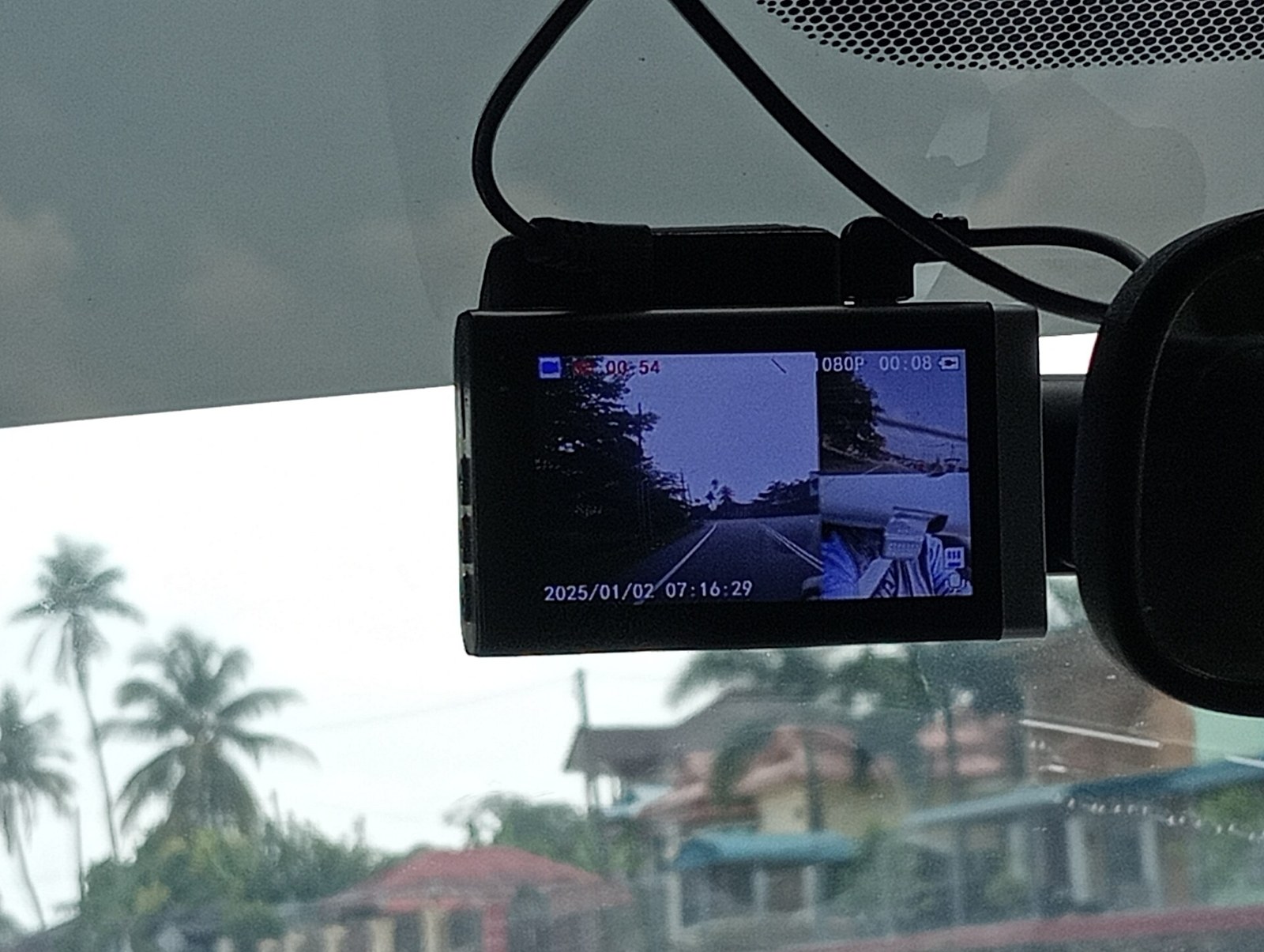
Are dashcams legal in Florida?
Florida does not generally ban a driver from using a dashboard camera to record the road. However, section 316.2004 of the Florida Statutes restricts materials that materially obstruct, obscure, or impair the driver’s clear view through vehicle windows. A camera, mounting bracket, or dangling cable should not interfere with the view of traffic, pedestrians, or intersecting roads.
The statute does not establish a universal dashcam mounting rectangle or a rule that every camera is lawful simply because it sits near a mirror. Camera size, windshield shape, placement, and the driver’s field of vision matter. Follow the vehicle and camera manufacturer’s instructions and choose a position that preserves visibility rather than relying on an online placement rule from another state.
Installation is a safety issue as well as a legal issue
Install the device while parked. Secure cables so they cannot fall into the steering wheel or pedals, and avoid interfering with airbags or other safety equipment. A loose device can distract the driver or become a hazard during a collision. If hardwiring is needed, use a qualified installer instead of modifying safety-related wiring without appropriate knowledge.
Check what the camera actually records before a problem occurs. A device pointed too far upward may show the sky instead of the road; a rear camera blocked by cargo may miss approaching traffic. Confirm that the date and time are reasonably accurate and that the memory card is functioning. Do not adjust the camera while driving.
Road video and cabin audio are not the same
A forward-facing video recording of visible road activity is different from recording conversations inside a car. Florida’s interception law protects certain communications. Under section 934.03, prior consent of all parties is one lawful basis for recording a covered communication, and the statute also contains other defined exceptions.
Whether a particular conversation is protected can depend on its circumstances and the expectation of privacy. Do not assume that placing a camera on the windshield removes everyone’s privacy rights. A passenger’s conversation, a telephone call played through vehicle speakers, or a discussion during a stop may require a separate assessment from silent footage of a roadway.
How to reduce audio-recording problems
If you do not need audio, disabling the microphone is a practical way to reduce the risk of accidentally recording protected conversations. Check whether the device turns audio back on after updates or a reset. If you do record cabin audio, obtain appropriate prior consent and seek advice where consent or the application of an exception is uncertain.
A small recording sticker is not a universal legal solution. Neither is a notice buried in an application setting a passenger never sees. Rideshare drivers, employers, and commercial vehicle operators may also need to comply with platform, employment, or other requirements. This article does not promise that a particular notice will satisfy every obligation.
What dashcam footage can show after a crash
Video may help establish traffic-light timing, the sequence of lane changes, the position of a pedestrian, a vehicle’s path, and whether a driver braked before impact. It may contradict an inaccurate account or reveal a witness vehicle that left before police arrived. Rear and side views may add context that a forward camera lacks.
Footage has limitations. A wide-angle lens can distort apparent distance, reflections can hide a signal, and the recording may start too late. The camera may not show what happened beside the vehicle. Speed readings and timestamps should be checked rather than accepted uncritically. Our guide to determining fault in a Tampa collision explains why multiple evidence sources matter.
Preserve the original recording immediately
Many cameras use loop recording, meaning the oldest files are overwritten when the memory card fills. Protect the relevant clip as soon as it is safe to do so. Save the period before and after the collision, not just the instant of impact. That wider sequence may show approach speed, traffic conditions, and what happened after vehicles stopped.
Keep the original file and make a separate working copy. Record which device produced it and who copied it. Avoid cropping, adding music, changing the speed, or deleting apparently unhelpful portions. A short social-media clip or a compressed phone message should not be your only copy of important evidence.
Should you send the video to an insurer?
An insurer may request relevant footage during the claim process. Preserve it and discuss the request with your lawyer, especially when fault or audio privacy is disputed. Your own insurance policy may impose cooperation obligations, so ignoring requests indefinitely can create problems. Obtain advice about a proper response rather than simply refusing or posting the recording publicly.
Share an accurate copy through an appropriate channel and keep a record of what was provided. Do not alter the file to remove facts that appear unfavorable. A recording can support your account, but it can also reveal your own conduct. Honest preservation is more useful than selecting only the seconds that seem helpful.
What if another driver or business has the recording?
Write down the location of visible cameras and any vehicles that appear to have dashcams. Give that information to the investigating officer and your lawyer promptly. Nearby businesses may overwrite security footage quickly, so timely preservation requests can be important. A Florida crash report may help identify witnesses or the investigating agency.
You do not have a right to seize someone else’s camera or enter a private account. A lawyer can evaluate appropriate requests or legal procedures to obtain relevant footage. A preservation request does not guarantee the camera was recording or that the holder has a usable file, but it can reduce avoidable loss of evidence.
Can dashcam footage decide the whole claim?
Not necessarily. A civil claim still requires establishing liability, causation, and damages. Video of a collision does not document every medical consequence or prove the value of lost income. Medical records, vehicle inspections, witnesses, and other evidence may be needed alongside the recording.
Florida’s comparative fault rules can also affect recovery when more than one person contributed to the harm. In applicable negligence actions, more than 50 percent claimant fault can bar damages. Most recent negligence claims have a two-year filing period, subject to exceptions. Preserve the footage and seek timely advice rather than assuming the camera makes deadlines or insurance requirements irrelevant.
Frequently asked questions
Can I mount a dashcam on the windshield?
Placement must not materially obstruct, obscure, or impair the driver’s clear view. Florida does not provide one universal mounting location for every camera and vehicle.
Does a dashcam give me permission to record passengers?
No. Audio of protected conversations requires separate analysis under Florida’s interception law, including prior consent or an applicable exception.
Is turning off the microphone useful?
Yes. If audio is unnecessary, disabling it can reduce accidental recording of protected conversations. Confirm the device settings periodically.
Should I keep only the collision clip?
Keep the original recording and the surrounding sequence when available. Events before and after impact may be relevant.
Does video guarantee the other driver is liable?
No. The recording must be interpreted with the other evidence, and liability, causation, and damages still need to be established.
Discuss dashcam evidence with Fiol & Morros
If a recording may help explain your accident, a Tampa car accident lawyer can review it alongside the other evidence. Contact Fiol & Morros for an individual discussion. This article is general information and does not provide a ruling on a specific recording or promise a case result.
Sources







 English
 Español
