
Florida Dram Shop Law: When a Bar May Be Liable After a Crash
Short answer: Florida generally does not make an alcohol seller liable merely because an adult customer becomes intoxicated and causes an injury. Section 768.125 creates narrow exceptions for willfully and unlawfully furnishing alcohol to someone below lawful drinking age and knowingly serving a person habitually addicted to alcohol. A drunk-driving crash alone does not prove either exception. Claims against a bar require investigating the service, the statutory conditions, and the connection to the injury.
After a serious Tampa collision involving a drunk driver, an injured family may wonder whether a bar should also be responsible. That is a reasonable question, particularly where the driver’s insurance is inadequate. But Florida’s rules are narrower than the broad overservice rules people may have heard about in other states. This guide explains what to investigate without treating every business that served a drink as liable.
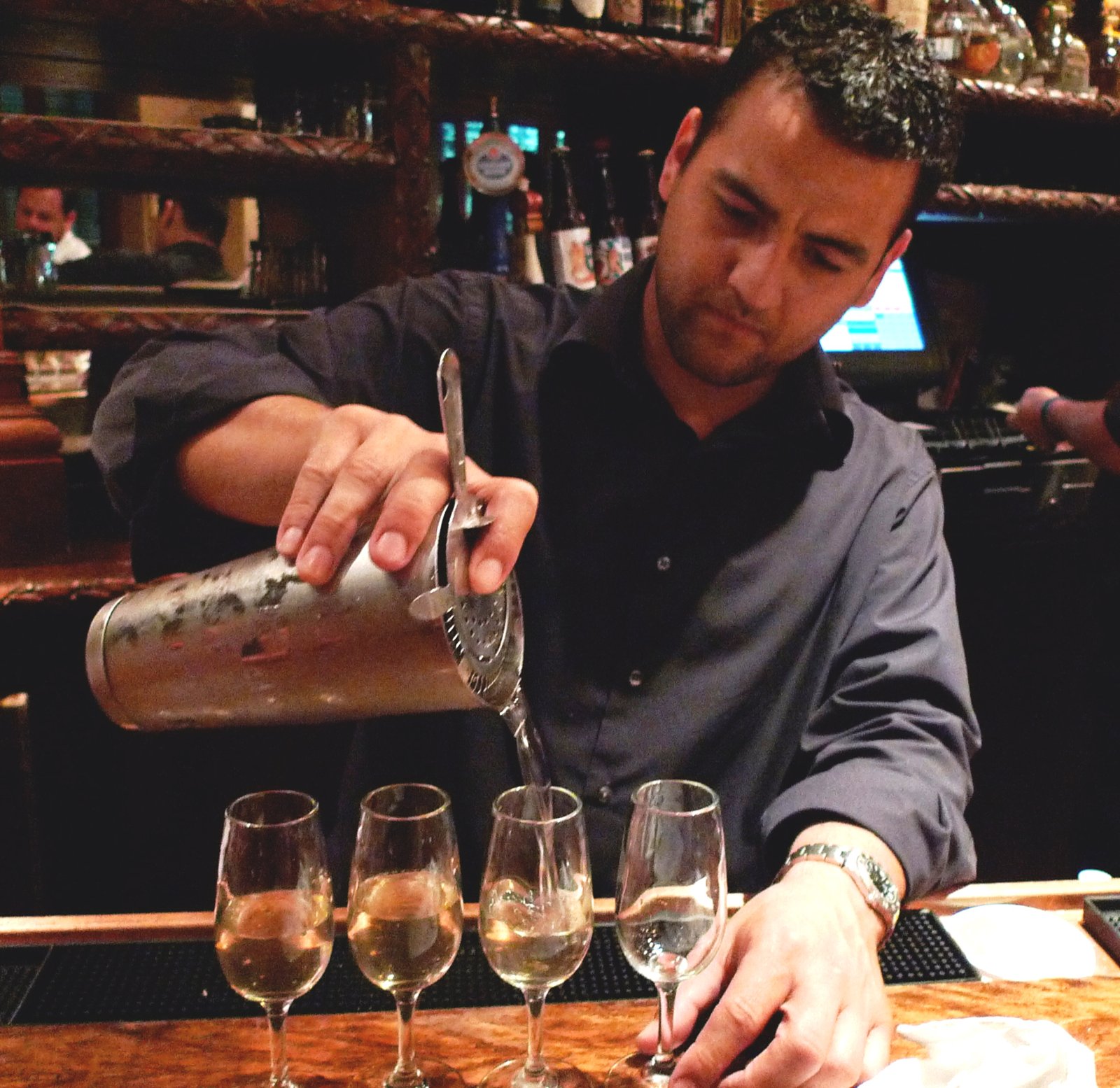
What is a dram shop claim?
“Dram shop” is a traditional term for an alcohol-selling business. A dram shop claim seeks to hold a seller or furnisher of alcohol responsible for injuries associated with the intoxication of the person served. Florida addresses this issue in section 768.125 of the Florida Statutes, titled liability for injury or damage resulting from intoxication.
The statute starts with a limitation: a person selling or furnishing alcohol to someone of lawful drinking age does not thereby become liable for injury caused by that person’s intoxication. It then identifies exceptions. The starting point is therefore not “a bar must pay whenever a customer drives drunk,” but whether the particular facts fit an exception recognized by Florida law.
The exception involving an underage person
The statute permits potential liability where someone willfully and unlawfully sells or furnishes alcohol to a person who is not of lawful drinking age. In Florida, lawful drinking age is 21. Investigating the exception may involve the customer’s age, identification, the circumstances of the transaction, and the conduct of the person furnishing alcohol.
An injury claim requires more than identifying a young-looking driver. The evidence must support the applicable legal elements, including unlawful furnishing and a connection between intoxication and the injury. Receipts, video, identification procedures, employee accounts, and witnesses may help clarify what actually happened. Do not assume an arrest or a rumor establishes every part of a civil claim.
The exception involving habitual alcohol addiction
The second statutory exception concerns knowingly serving a person habitually addicted to alcohol. This is different from merely serving someone who appears drunk on one evening. Habitual addiction and the server’s knowledge are distinct matters that require evidence. A visibly intoxicated customer does not automatically establish the exception.
The investigation may consider the customer’s history at the establishment, repeated service, prior interactions, and what staff knew. The relevance and sufficiency of that evidence must be assessed under applicable law. It is not appropriate to diagnose addiction from a single photograph or to publicly label a person based only on allegations after a crash.
Why visible intoxication alone may be insufficient
People often assume that a high blood alcohol level or multiple drinks on a receipt automatically makes the bar liable. Those facts may be important, but Florida’s statute does not generally create adult liability based only on visible intoxication or overservice. The narrower exceptions still need to be addressed.
A business may have internal service policies or regulatory obligations, but a violation does not automatically prove this particular civil claim. A lawyer should separate evidence that the driver was impaired from evidence that the seller fits section 768.125. That distinction helps avoid spending time on a theory unsupported by Florida law.
The driver remains a separate potential defendant
The limitation protecting some alcohol sellers does not excuse a driver who causes a collision while impaired. Claims against the driver and any other legally responsible parties require their own analysis. Insurance, vehicle ownership, employment, and the circumstances of the trip may affect which sources of compensation are available.
Our Tampa drunk-driving accident page addresses injury claims arising from the collision itself. A dram shop investigation adds a narrower question about furnishing alcohol; it does not replace the driver claim or mean a bar will be responsible whenever the driver lacks sufficient coverage.
Evidence to preserve quickly
Important records may include receipts, card transactions, service times, surveillance footage, witness names, and the chronology between drinking and driving. A business camera may overwrite footage before an injured person finishes treatment. Tell your lawyer promptly about any known establishment and the approximate time of service.
Keep the police case number, crash report, and information about passengers or companions who may know where the driver was. A Florida crash report can provide a starting point, but it may not identify every place alcohol was obtained. An investigation should test the timeline rather than assume the final business visited supplied all the relevant drinks.
How a lawyer investigates the connection to injury
Even if an exception may apply, the claim must connect the furnishing and intoxication to the injury or damage. Questions can include when drinks were served, whether the driver consumed alcohol elsewhere, and whether impairment contributed to the collision. Witnesses, available testing, and reconstruction may help establish the sequence.
Access to private or sensitive records requires lawful procedures. Do not confront staff, attempt to obtain another person’s account credentials, or publish accusations in the hope that a business will pay. Preserve the information you lawfully have and allow the evidence to guide which claims are justified.
Does the rule apply to a private party?
Serving alcohol in a private setting raises additional questions about the statute and Florida case law. Do not assume that every social host is treated exactly like a commercial seller or that the same underage-service analysis applies in every setting. The identity of the furnisher and the circumstances of service matter.
A lawyer can assess whether a recognized claim exists instead of relying on a general online statement about “host liability.” This guide focuses on potential claims involving alcohol-selling establishments after an injury. It does not provide a complete rule for every private gathering, employment event, or situation involving criminal allegations.
Compensation and insurance are not automatic
If liability is established, damages may involve medical expenses, lost earnings, and other legally recoverable losses. Serious or fatal crashes require individualized analysis. There is no standard dram shop settlement, and the availability of liquor liability or other insurance depends on the policies and the circumstances.
Florida’s comparative fault and insurance rules may also affect the broader injury claim. Do not assume naming another defendant increases the amount recoverable or removes fault issues. Our Florida car insurance guide explains why the driver’s minimum required coverage is not the same as full coverage for an injured person.
Do not wait for the DUI case to finish
A criminal DUI proceeding and a civil injury claim have different purposes and timelines. Evidence can disappear while the criminal case is pending. Discuss preservation and possible claims early, even if the driver’s prosecution has not reached a conclusion.
Most recent Florida negligence claims have a two-year filing period under section 95.11, but the applicable period depends on the cause of action and circumstances. Do not calculate the deadline solely from a general article or assume an insurer’s ongoing discussions extend it. Obtain specific advice about every potential claim and defendant.
Frequently asked questions
Can I sue a bar whenever a drunk customer causes a crash?
No. Florida generally limits seller liability, and the facts must support a recognized exception and a connection to the injury.
Does serving a visibly drunk adult automatically create liability?
No. Visible intoxication alone does not automatically establish the narrow exceptions in section 768.125.
What are the two statutory exceptions?
The statute addresses willful and unlawful furnishing to someone below lawful drinking age and knowingly serving a person habitually addicted to alcohol.
Is habitual addiction the same as being drunk once?
No. Habitual addiction and the server’s knowledge require separate evidence; one intoxicated evening does not automatically establish both.
Should I wait for the criminal case before seeking advice?
No. Civil deadlines and preservation needs are separate, so early advice can help protect relevant evidence.
Discuss possible liability with Fiol & Morros
If you were injured by an impaired driver, contact Fiol & Morros to discuss the collision and whether a furnishing claim needs investigation. The firm’s Tampa car accident lawyers can evaluate the available evidence. This guide is general information, not a finding that any pictured business or individual acted unlawfully, and not a promise of compensation.
Sources






 English
 Español
