


1515 N Marion St
Tampa, Fl 33602

Burn injuries can happen in many ways, from auto accidents to fires in homes and businesses. These injuries are often very painful and may require long medical treatment, including skin grafts, plastic surgery, or physical therapy. Severe burns can leave lifelong scars, both physical and psychological, and often cause high medical costs and lost income.
Fiol & Morros Personal Injury and Accident Lawyers understand how overwhelming life can feel after a burn accident. Our Tampa burn injury attorneys know how to handle personal injury cases involving first-degree burns, second-degree burns, and catastrophic injuries such as third-degree burns or even fourth-degree burns.
We fight insurance companies that try to minimize your personal injury claim, and we work hard to make sure victims and families get financial compensation for medical bills, lost wages, and long-term medical expenses. A Tampa burn injury lawyer from our team can give you the legal guidance and support you deserve.
Why You Need a Tampa Burn Injury Lawyer
Having a Tampa burn injury lawyer on your side is very important because insurance defense lawyers often try to reduce or deny valid claims. A skilled personal injury attorney knows Florida law, understands the statute of limitations, and helps build a strong case for compensation.
With the right lawyer, victims of severe burns can focus on recovery while their legal rights are protected.
The Serious Impact of Burn Injuries
Burn injuries are not only painful but also life-changing.
Victims with third-degree burns or radiation burns may face months of medical treatment, multiple surgeries, and even skin grafting procedures. These injuries can affect mobility, cause leathery skin texture, and leave permanent scars.
Challenges Victims Face After a Burn Accident
- High Medical Costs: Severe burns often lead to expensive medical bills, hospital stays, and plastic surgery.
- Long Recovery Periods: Victims may need skin grafts, therapy, or ongoing medical care.
- Emotional and Psychological Scars: Burn injuries can lead to psychological scars, depression, and loss of confidence.
- Loss of Income: Victims may be unable to work for months or face permanent loss of earning capacity.
How a Lawyer Protects Your Rights
A personal injury lawyer makes sure your personal injury claim is handled fairly and that insurance adjusters. They collect medical records, work with medical professionals, and fight for financial compensation. With a Tampa burn injury lawyer, you have someone on your side against negligent parties and property owners.
The True Lifetime Cost of a Burn Injury - Why Insurance Offers Fall Far Short
Burn injuries consistently rank among the most expensive catastrophic injuries to treat and manage. The American Burn Association estimates that the average hospitalization cost for a serious burn injury exceeds $200,000 - and for victims with burns covering more than 30% of their total body surface area, lifetime medical costs can easily reach $1 million or more. Insurance companies know these numbers, yet initial settlement offers routinely reflect only the most immediate out-of-pocket costs.
Acute Care and Hospitalization
The first days and weeks after a severe burn are the most medically intensive and expensive. Victims with second-degree or third-degree burns covering significant body surface area require treatment in a specialized burn unit, where daily care costs can exceed $5,000 to $10,000. Burn units provide wound debridement (surgical removal of dead tissue), fluid resuscitation to prevent shock, infection control using topical antimicrobials and systemic antibiotics, nutritional support (severe burns dramatically increase caloric needs), and pain management protocols that themselves require careful medical supervision.
Skin Graft Surgery
Skin grafting - the surgical procedure used to replace destroyed skin with healthy donor skin - is a cornerstone of burn treatment for second-degree and third-degree burns. A single skin graft procedure costs between $10,000 and $40,000 or more depending on the extent of the graft. Most severe burn victims require multiple procedures, spaced weeks apart as the body heals. Donor sites (areas where healthy skin is harvested) are themselves painful and require their own recovery time and wound care.
For victims with extensive burns where sufficient healthy donor skin is not available, surgeons may use cadaveric (donor) skin as a temporary covering, or in some advanced centers, cultured skin substitutes grown from the patient's own cells. These technologies are life-saving - and extremely expensive, sometimes costing $100,000 or more for the grafting materials alone.
Long-Term Rehabilitation
Recovery from a serious burn injury does not end when the wounds heal. Burn scar contractures - the tightening and thickening of scar tissue - can severely restrict the movement of joints, requiring months to years of physical therapy and occupational therapy to maintain function. Burn survivors often need custom-fitted pressure garments worn 23 hours a day for 12-24 months to minimize hypertrophic (raised) scarring. Scar revision surgeries may be needed years after the initial injury as the victim's body and circumstances change.
Psychological Treatment - An Undervalued Component
The psychological toll of a severe burn injury is profound and long-lasting. Research published in burn care journals consistently shows that burn survivors experience rates of PTSD, clinical depression, and anxiety disorders significantly higher than the general population. Body image disruption is common, particularly for facial or hand burns, and can affect employment, relationships, and basic social functioning.
Comprehensive psychological treatment - individual therapy, group therapy, and in some cases psychiatric medication management - must be included in any complete damages calculation. At Fiol & Morros, we work with mental health professionals to document and quantify these non-economic damages.
Why Early Settlement Offers Are Almost Always Too Low
Insurance adjusters are trained to make early offers that sound substantial relative to the victim's current medical bills, but that fall far short of the true lifetime cost. A $75,000 settlement offer may cover current hospital bills but leave the victim with no resources for the next ten years of scar revisions, therapy, and lost career opportunities.
An experienced Tampa burn injury attorney works with life care planners, vocational rehabilitation specialists, and economic analysts to build a comprehensive damages model that reflects every anticipated cost - and uses that model to negotiate or litigate for full compensation.
Common Causes of Burn Injuries in Tampa
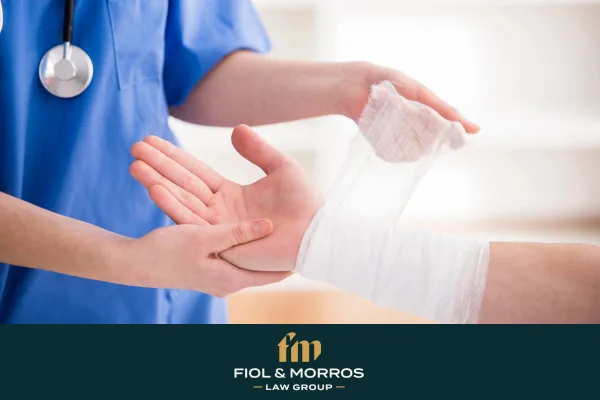
Burn injuries in Tampa can result from many different situations, and knowing the cause is important in building a strong negligence claim.
Victims may be hurt in truck accidents, motorcycle accidents, or boat accidents, but they may also suffer burns from unsafe property conditions, defective products, or radiation burns in medical offices. Each case requires careful investigation under personal injury law.
Car Accidents and Truck Collisions
Motor vehicle accidents, truck accidents, and motorcycle accidents can cause fuel fires or explosions. Victims may suffer full-thickness burns and need long-term medical care, including skin grafts and plastic surgery.
Fires, Explosions, and Electrical Hazards
Fires in homes, apartment buildings, or businesses often result from unsafe wiring or faulty equipment. Electrical burns, explosions, or chemical burns can leave victims with catastrophic injuries and very high medical bills.
Who Can Be Held Liable for a Tampa Burn Injury?
Burn injury liability in Florida depends on the circumstances of the accident and the parties whose negligence contributed to it. Multiple defendants can share responsibility for the same injury, and identifying all of them is critical to maximizing your compensation. Florida's modified comparative fault system allows each defendant to be assigned a proportional share of liability.
Negligent Property Owners
Property owners - including homeowners, landlords, commercial building owners, and business operators - have a duty to maintain their premises in a reasonably safe condition. Burn injuries caused by code violations are among the most actionable premises liability cases in Florida. Common examples include: failure to install or maintain smoke detectors and sprinkler systems in violation of the Florida Fire Prevention Code (Chapter 633, Florida Statutes); faulty electrical wiring left unrepaired despite tenant complaints; improper storage of flammable materials in residential or commercial settings; and failure to post warnings about chemical hazards on the premises.
Landlords who rent property with known fire hazards - ungrounded outlets, damaged gas lines, missing fire extinguishers, or blocked fire exits - face particularly strong liability when those defects cause a tenant's burn injury. Florida law places affirmative obligations on landlords to maintain rental property in compliance with applicable building codes and fire safety standards.
Product Manufacturers and Distributors
When a burn injury results from a defective product - a malfunctioning appliance, a vehicle fuel system that ignites in a crash, a lithium-ion battery that overheats and catches fire, an industrial chemical product with inadequate safety warnings, or a clothing item that catches fire too easily - the manufacturer, distributor, and retailer of that product may be held strictly liable under Florida product liability law.
Product liability claims do not require proof of the manufacturer's negligence; instead, you must show that the product was defective (in design, manufacture, or warnings) and that the defect caused your burn injury. These claims are powerful because strict liability applies even when the manufacturer acted carefully.
Employers - Workplace Burn Injuries
Workplace burn injuries are common in Tampa's industrial, restaurant, construction, and chemical processing sectors. When a burn injury occurs on the job, Florida's Workers' Compensation system provides the primary source of benefits - covering medical treatment and a portion of lost wages regardless of fault. However, workers' compensation does not compensate for pain and suffering, which can be the largest component of a serious burn injury claim.
When a third party - not the employer - contributed to the workplace burn injury, the injured worker can pursue a separate personal injury claim against that third party outside of the workers' compensation system. Examples include a defective piece of industrial equipment manufactured by a third-party vendor, an explosion caused by a subcontractor's negligence on a shared worksite, or a chemical exposure caused by a supplier's failure to provide adequate safety data. Navigating the intersection of workers' compensation and third-party tort claims requires experienced legal counsel.
At-Fault Drivers in Motor Vehicle Burn Accidents
When a vehicle fire or explosion results from a traffic collision caused by another driver's negligence, that driver - and their insurance company - is liable for the resulting burn injuries. Fuel system fires in car accidents often produce the most severe burns victims suffer in their lifetimes. In cases where the vehicle's fuel system or airbag inflator contributed to the severity of the fire, a separate product liability claim against the vehicle manufacturer may also be available.
Government Entities - Utility Failures and Public Infrastructure
When a burn injury results from a defective public utility - a ruptured natural gas main, a downed power line left unaddressed, or a defective component in a public building - a government entity may bear responsibility. Claims against Florida state and local government entities are governed by Florida's sovereign immunity waiver statute (section 768.28), which requires timely notice of claim as a prerequisite to suit. Federal entities are governed by the Federal Tort Claims Act.
These procedural requirements are strict and must be followed precisely; missing them can permanently bar an otherwise valid claim.
Types of Burn Injuries and Their Severity
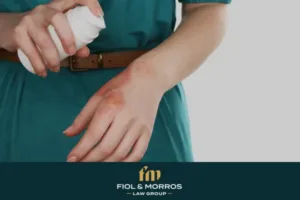
Burn injuries are classified into different burn degrees, and each level has unique effects on the victim's health.
First-Degree, Second-Degree, and Third-Degree Burns
- First-degree burns damage the top layer of skin and may heal with simple medical treatment.
- Second-degree burns are deeper, often requiring medical professionals and a longer healing time.
- Third-degree burns go through all layers of skin, cause leathery skin texture, and may even require amputation.
Chemical and Electrical Burns
Chemical burns occur when skin or eyes come into contact with hazardous substances, while electrical burns result from contact with exposed wires or electric currents. These burns are especially dangerous because they can also damage internal organs.
Long-Term Complications and Scarring
Severe burns often leave permanent scars and may require plastic surgery or ongoing skin grafts. Victims also face psychological scars and emotional pain that can last for years. These complications increase medical expenses and make recovery significantly more challenging.
Understanding Burn Injury Classification - Medical Standards and Legal Significance
Medical professionals and legal experts use standardized systems to classify burn injuries. Understanding these classifications is essential not just for treatment planning, but for accurately valuing a personal injury claim. The severity of a burn - measured by depth and total body surface area affected - directly determines the scope of medical treatment required, the likelihood of permanent impairment, and the total compensation available.
The Four Degrees of Burns - Clinical Definitions
Burn injuries are classified on a four-degree scale based on the depth of tissue destruction:
First-Degree Burns (Superficial) - Affect only the epidermis (outermost skin layer). Characterized by redness, mild swelling, and pain. Sunburn is the most common example. Heal within 3-5 days without scarring. May support a personal injury claim when caused by another's negligence, but damages are typically modest.
Second-Degree Burns (Partial Thickness) - Extend into the dermis (second skin layer). Divided into superficial partial-thickness (blisters, intense pain, typically heals in 2-3 weeks) and deep partial-thickness (affects deeper dermis layers, may require skin grafting, high risk of scarring and contracture). These burns cause significant pain and often result in permanent scarring.
Third-Degree Burns (Full Thickness) - Destroy both the epidermis and dermis entirely, often extending into the subcutaneous fat layer. The burned area typically appears white, brown, or black with a leathery texture. Nerve endings in the area are destroyed, making these burns often painless at the site - though surrounding areas remain extremely painful. Skin grafting is always required. Permanent scarring and functional impairment are the norm.
Fourth-Degree Burns - Extend beyond the skin into muscle, tendon, ligament, and bone. These burns are life-threatening and, if survived, result in severe permanent disability. Amputation of affected extremities is frequently required. Fourth-degree burns typically occur in industrial accidents, prolonged exposure to fire, or high-voltage electrical accidents.
The Rule of Nines - How Total Body Surface Area Affects Your Claim
Medical professionals use the "Rule of Nines" to estimate the total body surface area (TBSA) affected by burns. The body is divided into regions each representing approximately 9% of TBSA: the head and neck (9%), each arm (9%), the chest (9%), the abdomen (9%), each thigh (9%), each lower leg (9%), and the genitalia (1%). Burns covering more than 20% TBSA in adults are considered major burns and typically require treatment in a specialized burn center. Burns over 40% TBSA carry a significant mortality risk.
In legal claims, TBSA percentage is a critical factor in calculating damages. A burn covering 5% TBSA on a forearm produces a very different damages profile than a 30% TBSA burn covering the torso and arms. Life care planners use TBSA percentage along with burn depth to project years of future surgeries, therapy, and care. Our attorneys work with these specialists to ensure every aspect of your injury is fully documented and included in your claim.
Why Electrical and Chemical Burns Require Special Legal Attention
Electrical and chemical burns present unique challenges that general personal injury practitioners often underestimate. Electrical burns have both entry and exit wounds, and the internal path of the electrical current through the body can cause damage to organs, nerves, and blood vessels that is not visible at the surface. Victims may appear to have relatively minor surface burns while suffering serious cardiac arrhythmias, kidney damage from myoglobinuria, or permanent nerve damage. Full diagnostic workup - including cardiac monitoring and MRI imaging - is essential both for medical treatment and for documenting the full extent of injuries in a legal claim.
Chemical burns continue to damage tissue as long as the caustic substance remains in contact with the body, making immediate decontamination critical. The caustic agent, concentration, and duration of contact all affect the depth and severity of the burn. In workplace and product liability chemical burn cases, Material Safety Data Sheets (MSDS/SDS), manufacturer formulation records, and safety training documentation are key evidence that our attorneys obtain through discovery.
Florida Laws Related to Burn Injury Claims

Florida law provides legal recourse for accident victims, but there are strict rules you must follow when filing a personal injury claim. Understanding the Florida statute of limitations, comparative negligence laws, and product liability laws is crucial for obtaining fair compensation.
A Tampa personal injury lawyer helps victims understand their rights and the legal process.
Statute of Limitations for Burn Injury Lawsuits in Florida
Under Florida Statute section 95.11(3)(a), burn injury victims have two years from the date of the accident to file a personal injury lawsuit. This deadline was shortened from four years by Florida Senate Bill 236, effective March 24, 2023. Missing this two-year window will result in permanent dismissal of your claim - courts will refuse to hear it regardless of how severe your injuries are or how clear the other party's negligence may be.
The two-year clock typically begins on the date of the burn accident. In cases where the full extent of internal injuries - such as damage from electrical burns to internal organs - was not immediately apparent, the "discovery rule" may allow the limitations period to begin when the victim knew or reasonably should have known of the injury and its likely cause. For minor victims, the clock generally does not start until their 18th birthday.
Burn injury cases involve particularly time-sensitive evidence. Fire investigation reports, building inspection records, product recall databases, employer safety logs, and surveillance footage all have limited retention periods. Electrical and fire investigation experts must examine the scene before evidence is cleared. Contact Fiol & Morros immediately after a burn accident - do not wait to see how your recovery progresses before consulting an attorney. Early legal intervention protects your evidence and your legal rights.
Florida's Comparative Negligence Rule and Shared Fault
Florida's modified comparative negligence rule, codified in Florida Statute section 768.81 as amended in March 2023, allows injured burn victims to recover compensation even when they share partial responsibility for the accident - but only if their share of fault does not exceed 50%. If a jury finds the plaintiff more than 50% responsible, they recover nothing. If fault is at or below 50%, the compensation award is reduced by the plaintiff's fault percentage.
In burn injury cases, defense attorneys and insurance companies aggressively deploy comparative fault arguments. In vehicle fire cases, defendants may argue that the victim failed to exit the vehicle quickly enough, was not wearing a seatbelt, or was violating traffic laws. In workplace burn cases, employers may argue that the worker failed to follow safety protocols or was not wearing required personal protective equipment. In premises liability burn cases, property owners may argue that the victim entered a restricted area or ignored posted warnings.
Our attorneys at Fiol & Morros anticipate these arguments and build an affirmative case for the defendant's primary liability from the outset. We gather fire investigation reports, building inspection records, equipment maintenance logs, and expert testimony to demonstrate that the defendant's negligence was the dominant cause of your injuries - protecting your fault percentage and maximizing your recovery under Florida's modified comparative fault framework.
Key Florida Statutes Applicable to Burn Injury Claims
The following statutes form the legal framework for burn injury liability in Florida. Understanding how these laws interact is essential to building the strongest possible claim.
| Florida Statute | Title | What It Means for Your Case |
|---|---|---|
| Section 95.11(3)(a) | Statute of Limitations | Two-year deadline to file a burn injury lawsuit (reduced from 4 years, effective March 24, 2023). Missing this deadline bars all recovery permanently. |
| Section 768.81 | Modified Comparative Fault | Plaintiffs more than 50% at fault cannot recover any damages. Fault at or below 50% reduces the award proportionally. Effective March 2023. |
| Section 768.72 | Punitive Damages | Available when defendant's conduct was intentional or showed conscious disregard for the safety of others. Applies in egregious fire safety violation cases, BUI burn cases, and willful OSHA violations. |
| Section 440 (Workers' Comp) | Workplace Burn Injuries | Florida Workers' Compensation Act governs employer liability for on-the-job burn injuries. Covers medical and wage benefits but not pain and suffering. Does not bar third-party tort claims. |
| Chapter 633 | Florida Fire Prevention Code | Establishes fire safety standards for buildings, including smoke detectors, sprinkler systems, and fire egress. Violations that cause burn injuries support a negligence per se claim against the property owner. |
| Section 768.0755 | Transitory Substance Slip & Fall | Applicable when burns result from a slip into a chemical substance or boiling liquid on commercial premises. Requires proof of actual or constructive knowledge of the hazard. |
| Section 768.28 | Sovereign Immunity Waiver | Governs burn injury claims against Florida state/local government for utility failures, public building fire code violations, or defective infrastructure. Requires pre-suit notice of claim. |
What to Do After Suffering a Burn Injury in Tampa
The steps you take after a burn injury are very important for your health and your personal injury case. Medical professionals, personal injury attorneys, and accident investigators all rely on accurate records to build strong claims.
Acting quickly helps protect your rights under Florida law and ensures that you receive medical attention and financial compensation.
Seek Immediate Medical Treatment
Always get medical treatment right away, even for first-degree burns or second-degree burns. Early medical attention reduces the risk of infection and establishes the medical records necessary for your claim. Quick treatment also helps reduce pain and speeds up recovery.
Document the Injury and Accident Scene
Take photos of the burn injury, accident scene, and defective products if involved. Keep medical records, accident reports, and any insurance paperwork safe. These details can help your personal injury lawyer prove what caused your burns.
Avoid Talking to Insurance Adjusters Without a Lawyer
Insurance companies often try to settle quickly and for less money. Avoid speaking with insurance adjusters until you have a personal injury lawyer to protect your rights. A lawyer makes sure you do not say anything that could hurt your personal injury case.
Contact a Tampa Burn Injury Lawyer for Legal Guidance
A Tampa burn injury lawyer helps you file your personal injury claim, handle insurance paperwork, and fight for fair compensation. With legal support, you can focus on healing while your lawyer manages your case. They also explain Florida law clearly so you understand every step.
Proven Results in Burn Injury and Personal Injury Cases
Our Tampa burn injury attorneys have a strong track record of securing substantial compensation for accident victims throughout Florida. Here are some of our notable case results:
BURN INJURY
$750K
Nursing Home Abuse
Burn Injury
$3M
Nursing Home Abuse
Bedsore & Malnutrition
$2.5M
Slip & Fall
Restaurant Accident
$2.5M
Fatal Truck Accident
Wrongful Death
$1.2M
Car Accident
Severe Injury
$960K
Trucking Accident
Fractured Femur & Herniated Discs
*Past results do not guarantee future outcomes. Every case is unique and must be evaluated on its own merits.
Why Choose Fiol & Morros as Your Tampa Burn Injury Lawyer?
Burn injury cases are among the most medically complex and highest-value personal injury matters in Florida. The attorney you choose has a direct, material impact on whether you receive the full lifetime value of your claim or accept an inadequate early settlement. Here is what distinguishes Fiol & Morros from general personal injury firms in Tampa.
35+ Years of Catastrophic Injury Experience
Founding attorney Alejandro Fiol has fought for seriously injured Floridians since the early 1990s, including in his role as managing partner of Morgan & Morgan's Tampa office where he led the nursing home abuse department - one of the most medically and legally complex areas of personal injury law. That foundation of catastrophic injury experience transfers directly to burn cases, which require the same ability to work with medical specialists, life care planners, and forensic engineers to build a comprehensive damages case.
AV Preeminent Rated - Highest Peer Recognition
Attorney Fiol holds an AV Preeminent peer review rating from Martindale-Hubbell - the highest designation available, reflecting both exceptional legal ability and the highest ethical standards. This recognition matters: it signals to opposing counsel and insurance defense teams that your case is being handled by a top-tier attorney, which consistently produces better settlement offers and better trial outcomes.
We Build Comprehensive Damages Models
Our firm works with certified life care planners, burn rehabilitation specialists, vocational rehabilitation experts, and forensic economists to build a complete picture of what your burn injury will cost over your lifetime - not just what it has cost so far. This approach is the single most important factor in recovering full compensation rather than accepting an early lowball offer.
No Fees Unless We Win
Every burn injury case at Fiol & Morros is handled on a contingency fee basis. You pay nothing unless we recover compensation for you. Contact us today for a free, confidential consultation - there is no obligation, and getting started costs you nothing.
Suffered a Burn Injury in Tampa? Get the Compensation You Deserve.
(813) 223-6773Free consultation - No fees unless we win your case
Frequently Asked Questions about Burn Injury Claims in Tampa
What should I do first after a burn injury?
Get immediate medical treatment and then contact a Tampa burn injury lawyer for guidance.
How long do I have to file a claim in Florida?
The Florida statute of limitations usually allows two years for personal injury cases.
What damages can I recover in a burn injury case?
You may recover medical bills, lost wages, pain and suffering, and long-term care costs.
Do I have to pay upfront fees for a lawyer?
Most Tampa personal injury lawyers, including Fiol & Morros, work on a contingency fee basis.
What degree of burn injury qualifies for a personal injury claim in Florida?
Any burn injury caused by another party's negligence or wrongful conduct may support a personal injury claim in Florida - including first-degree burns, though the damages for superficial injuries are typically modest. The most significant claims involve second-degree (partial thickness), third-degree (full thickness), and fourth-degree burns, which cause permanent tissue damage, require surgical treatment, and often result in lasting functional impairment and disfigurement. The degree of burn affects the value of the claim but does not determine whether you have a valid legal cause of action. What matters legally is whether someone else's negligence caused your injury. A first-degree chemical burn caused by a landlord's failure to properly store hazardous substances is a valid negligence claim. A second-degree burn caused by a defective cooking appliance supports a product liability claim. The severity of the burn affects how much compensation is available - not whether you have a right to pursue it. In evaluating a burn injury claim, our attorneys look at several factors beyond burn degree: the total body surface area affected, the location of burns (facial and hand burns carry higher non-economic damages due to visibility and functional impact), whether reconstructive surgery is required, the projected number of future procedures, and the psychological impact of visible scarring. Contact Fiol & Morros for a free evaluation of your specific burn injury claim.
Can I sue my employer for a workplace burn injury in Florida?
In most cases, you cannot sue your employer directly for a workplace burn injury in Florida - the Florida Workers' Compensation Act provides the exclusive remedy against employers for on-the-job injuries. Workers' compensation benefits cover 100% of necessary medical treatment and 66.67% of average weekly wages during the period of disability, without requiring proof of fault. However, workers' compensation does not compensate for pain and suffering, emotional distress, or permanent disfigurement beyond a limited impairment benefit. The important exception is when a third party - a party other than your employer - contributed to your workplace burn injury. If a subcontractor's negligence caused an explosion, if defective industrial equipment manufactured by a third party caused a chemical burn, or if a client company's failure to maintain a safe worksite caused your injury, you can pursue a personal injury lawsuit against that third party outside of the workers' compensation system. This third-party tort claim allows full recovery including pain and suffering. Additionally, in cases of egregious employer misconduct - such as willful OSHA violations where the employer knowingly exposed workers to serious fire or chemical hazards - Florida courts have in limited circumstances allowed tort claims against employers to proceed despite the workers' compensation bar. These cases are complex and fact-specific. An attorney experienced in both workers' compensation and personal injury law is essential to evaluate all available avenues of recovery after a workplace burn injury.
Can I file a product liability claim for burns caused by a defective product?
Yes. If your burn injury was caused by a defective product - a malfunctioning appliance, a vehicle fuel system that ignited in a crash, a lithium-ion battery that overheated, clothing that caught fire too easily, or an industrial chemical with inadequate safety warnings - you may have a product liability claim against the manufacturer, distributor, or retailer of that product under Florida law. Florida product liability claims can be brought under three theories: design defect (the product's design was inherently dangerous even when manufactured correctly), manufacturing defect (a specific product deviated from its intended design and became dangerous), and failure to warn (the product lacked adequate instructions or warnings about known fire or burn hazards). The most powerful aspect of product liability law is that it applies strict liability - meaning you do not need to prove the manufacturer was negligent, only that the product was defective and caused your injury. Product liability burn cases often involve complex engineering and scientific evidence, including flame spread testing, thermal analysis, and comparison against industry safety standards. Our attorneys work with fire investigation engineers and product safety experts to identify design or manufacturing defects and build a compelling case against the responsible manufacturer. If the product has caused burn injuries to other consumers, class action or mass tort dimensions may also apply.
How are burn injury settlements calculated in Florida?
Burn injury settlements in Florida are calculated by adding together all compensable damages - both economic (calculable financial losses) and non-economic (subjective harm). Economic damages include all past and future medical expenses, including emergency treatment, surgeries, hospitalization, physical and occupational therapy, psychological counseling, prescription medications, durable medical equipment, home modifications, and attendant care. Future medical costs are particularly important in burn cases - a victim requiring scar revision surgeries every few years for the next 20 years faces enormous ongoing expenses that must be projected and included in the claim. Non-economic damages cover pain and suffering, emotional distress, disfigurement, loss of consortium (impact on the marital relationship), and loss of enjoyment of life. For visible burn injuries - especially facial burns, hand burns, or burns covering significant body surface area - non-economic damages can be the largest component of the total claim. Florida law does not cap non-economic damages in most personal injury cases (though caps apply in medical malpractice cases), allowing full recovery for the subjective harm of living with permanent burn scars. Lost earning capacity is the third major component. If your burn injuries prevent you from returning to your prior employment - or reduce your ability to perform your job - a vocational rehabilitation expert evaluates your pre-injury earnings and post-injury capacity, and a forensic economist calculates the present value of that lost income stream over your remaining work life. For young victims with serious hand or facial burns, this component alone can reach millions of dollars. At Fiol & Morros, we bring in all necessary expert witnesses to ensure every component of your damages is fully documented and argued.
What is the difference between a third-degree and fourth-degree burn, and how does it affect my claim?
Third-degree burns (also called full-thickness burns) destroy both the epidermis and dermis entirely, often penetrating into the subcutaneous fat layer. The burned area typically appears white, brown, or black and has a leathery texture. Paradoxically, third-degree burns are often less painful at the burn site itself because the nerve endings in the destroyed tissue no longer function - though the surrounding areas remain intensely painful. Third-degree burns always require skin grafting; they cannot heal on their own. Permanent scarring, contracture (tightening of scar tissue that restricts movement), and disfigurement are virtually universal outcomes. Fourth-degree burns extend beyond the skin into deeper tissues - muscle, tendon, ligament, and bone. These injuries are among the most devastating survivable injuries in all of medicine. Fourth-degree burns typically result from prolonged exposure to fire (such as being trapped in a burning vehicle), high-voltage electrical accidents, or industrial accidents involving extreme heat or chemical immersion. Amputation of affected limbs is frequently required. Victims who survive fourth-degree burns face lifetimes of complex medical management, repeated surgeries, prosthetics or adaptive devices, and intensive psychological support. From a legal standpoint, fourth-degree burns represent the highest tier of burn injury damages. The combination of permanent physical impairment, frequent surgical intervention, lost career capacity, and profound psychological harm typically produces claims valued in the millions of dollars. Even with strong liability, insurance companies will aggressively contest the damages calculation in these cases. Having an attorney who works with specialized life care planners and forensic economists from the outset is essential to achieving full compensation for fourth-degree burn injuries.
How long does a burn injury case take to settle in Florida?
The timeline for a Tampa burn injury case varies significantly depending on the severity of the injury, the clarity of liability, the number of defendants, and whether the case settles or proceeds to trial. Minor burn injury cases with clear liability against a single well-insured defendant may resolve within 6-12 months. Catastrophic burn injury cases involving multiple defendants, disputed liability, complex damages calculations, and significant insurance coverage can take 2-4 years or longer, particularly if the case proceeds to trial. One of the most important timing principles in severe burn cases is the concept of "medical stabilization." Attorneys generally advise against settling a burn injury claim until the victim has reached maximum medical improvement (MMI) - the point at which their medical condition has stabilized and future treatment needs can be accurately projected. Settling before MMI means accepting a fixed payment before you know the full scope of future surgeries, rehabilitation, and care that will be needed. This is a significant trap that insurance companies exploit with early "fair" settlement offers. The two-year statute of limitations means that even if your medical recovery extends beyond that window, your lawsuit must be filed within two years of the accident (or risk permanent dismissal). In practice, this means you should retain an attorney immediately, allow them to file your lawsuit to preserve your rights, and then continue to negotiate or prepare for trial while your recovery progresses. Contact Fiol & Morros immediately after your burn accident - early retention protects your evidence, your legal rights, and your ability to achieve the maximum recovery your case deserves.
What evidence is needed to win a burn injury lawsuit in Florida?
Winning a burn injury lawsuit in Florida requires evidence across three categories: liability (proving that the defendant was at fault), causation (proving that the defendant's conduct caused the burn), and damages (proving the full extent of what was lost and what will be needed in the future). Missing strength in any one category can defeat an otherwise valid claim. For liability, key evidence typically includes: fire investigation reports from the State Fire Marshal or private fire engineering experts; product testing records and safety data sheets for chemical burns; building inspection records and fire code violation citations for premises liability burns; vehicle inspection reports and black box data for vehicle fire claims; employer OSHA compliance records for workplace burns; and eyewitness accounts from bystanders, co-workers, or first responders. The scene and any physical evidence - defective products, damaged wiring, chemical containers - should be preserved and documented before they are cleaned up, repaired, or discarded. For damages, the most important evidence includes: complete medical records from emergency treatment through current status; photographs and videos of the burn wounds at every stage of treatment; expert testimony from burn surgeons, plastic surgeons, and rehabilitation specialists; a formal life care plan prepared by a certified life care planner projecting all future medical needs; a vocational rehabilitation assessment documenting the impact on earning capacity; and personal testimony from the victim, family members, and employer about the before-and-after impact of the injury. Our attorneys begin building this evidence record from the day you retain us.
Contact Our Tampa Burn Injury Lawyer for a Free Consultation
If you or someone you love has suffered severe burns, you may face medical expenses, psychological scars, and long recovery times. Insurance companies often attempt to minimize personal injury claims, but victims are entitled to full financial compensation under Florida law.
At Fiol & Morros Personal Injury and Accident Lawyers, our Tampa burn injury attorneys handle complex personal injury cases involving chemical burns, electrical burns, and catastrophic injuries like third-degree burns or 4th-degree burns. We collect medical records, collaborate with medical professionals, and advocate for compensation that covers medical bills, lost wages, pain and suffering, and future care.
We are a personal injury law firm that works on a contingency fee, meaning you pay nothing unless we win your case. Contact us today for a free consultation and let us protect your rights while you focus on recovery.


 English
  Español