


1515 N Marion St
Tampa, Fl 33602

If you’ve been injured on someone else’s property, you may be wondering if you have a premises liability case. Property owners have a duty of care to keep their property safe for visitors. If they fail to do so, they could be held responsible for any accidents that occur. Fiol & Morros Personal Injury and Accident Lawyers helps you understand your rights and guide you through the legal process to get the compensation you deserve.
Our premises liability attorneys in Tampa are dedicated to helping you recover from your injuries, whether from a slip and fall, dangerous conditions, or negligent security. We will work hard to gather evidence, communicate with your insurance company, and fight for your fair compensation, which may include pain and suffering, lost wages, and medical expenses. Let us help you take action and secure the compensation you deserve.
What Is Premises Liability?
Premises liability refers to a property owner’s responsibility to ensure that their property is safe for visitors. This legal concept applies to various types of property, including homes, businesses, and public spaces.
If you’re injured on someone else’s property due to dangerous conditions or negligence, the property owner or operator may be liable for your injuries.
Visitor Classification Under Florida Law
Not all visitors to a property are treated the same under Florida premises liability law. The level of duty a property owner owes depends on the legal classification of the visitor at the time of the accident. Understanding which category applies to you is a critical first step in any Tampa premises liability claim.
Invitees
An invitee is someone who enters a property with the owner's express or implied permission for a purpose connected to the owner's business or for a public invitation - for example, a customer entering a grocery store, a patient visiting a medical office, or a patron entering a restaurant. Property owners owe invitees the highest duty of care under Florida law. They must not only fix known dangers but also actively inspect the property and warn visitors of hazards they reasonably should have discovered.
Licensees
A licensee enters property with the owner's permission but for their own purpose rather than for any business purpose of the owner. Social guests - friends or family members invited to a private home - are the most common example. Property owners must warn licensees of known dangerous conditions that the licensee is unlikely to discover on their own. However, owners are not obligated to inspect for unknown hazards the way they are with invitees.
Trespassers
A trespasser enters property without any permission from the owner. Generally, property owners owe trespassers only a minimal duty of care - they must not willfully or wantonly injure them. However, Florida law provides heightened protection for child trespassers under the "attractive nuisance" doctrine. If a property feature - such as a swimming pool, trampoline, or unfenced construction site - is likely to attract children and creates an unreasonable risk of harm, the owner may be held liable even if the child was trespassing.
If you are unsure of your visitor status or how it affects your claim, the premises liability attorneys at Fiol & Morros can evaluate your situation during a free consultation.
Common Causes of Premises Liability Accidents
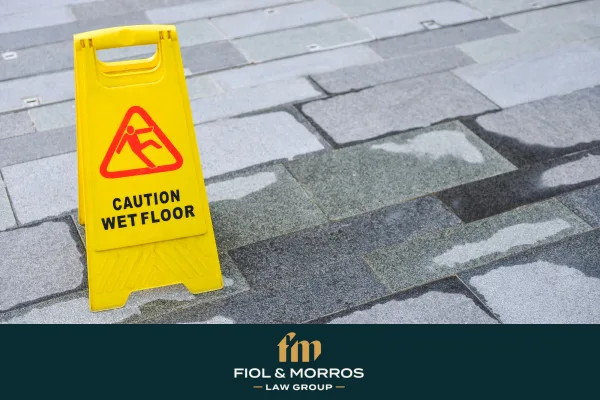
Premises liability accidents can happen in many ways. The causes are usually due to unsafe conditions, negligent security, or improper maintenance.
Some of the most common causes of these accidents include:
Slip and Fall Accidents
Slip and fall accidents happen when a person trips, slips, or falls because of unsafe conditions on someone else's property. This can include wet floors, uneven pavement, or poor lighting.
Property owners have a responsibility to fix these dangers or warn visitors about them. If you fall because of slippery floors or hidden hazards, the property owner might be responsible for your injury.
Inadequate Security and Criminal Acts
Inadequate security happens when a property owner fails to provide enough protection for people on their property. This could include not having enough security measures, like lighting, cameras, or security guards.
If someone is hurt or something is stolen because there wasn't enough security, the property owner may be held responsible. For example, if a criminal acts on the property and there wasn’t enough security, the owner could be liable for your injuries.
Dangerous Property Conditions
Dangerous property conditions are hazards that can cause accidents. These could include things like open holes, broken stairs, or toxic substances. Property owners must fix these dangers or warn people about them.
If someone gets hurt because of these dangerous conditions, the property owner may be held responsible for the injury.
Negligent Construction or Maintenance
Negligent construction or maintenance happens when a property owner or builder doesn’t take care of the property properly. This can include things like poorly built stairs, elevator problems, or broken fire safety equipment.
If something is built or maintained badly and causes an injury, the property owner or builder might be responsible. They have to make sure everything is safe for people to use.
Slip and Fall on Transitory Foreign Substances - Florida Statute §768.0755
Florida has a specific law that governs slip and fall cases in business establishments. Under Florida Statute §768.0755, if you slip and fall on a transitory foreign substance in a business - such as a spilled liquid, a greasy floor, or tracked-in water near an entrance - you must prove that the business establishment had actual or constructive knowledge of the dangerous condition and failed to take action.
What Is "Actual Knowledge"?
Actual knowledge means the property owner or one of their employees was directly aware of the hazardous substance on the floor before your accident. For example, if an employee saw a spill and did not clean it up or post a warning sign, the business had actual knowledge of the hazard.
What Is "Constructive Knowledge"?
Constructive knowledge is proven by showing that the dangerous condition existed for a long enough period of time that the business, in the exercise of ordinary care, should have discovered it and corrected it. You can also prove constructive knowledge by showing that the condition occurred with such regularity that it was foreseeable - for example, a leaky refrigeration unit that routinely creates puddles in a supermarket aisle.
Evidence used to establish constructive knowledge often includes security camera footage showing how long a spill was present before the accident, inspection logs that show the business failed to conduct timely walk-throughs, and witness testimony from employees or customers who observed the hazard.
Why This Law Matters for Your Case
Before the 2010 amendment that codified §768.0755, Florida courts applied a more plaintiff-friendly standard. The current law places the burden squarely on the injured person to prove the business's knowledge of the hazard. This makes thorough, immediate evidence collection - photos, witness contact information, video preservation requests - critically important. The premises liability attorneys at Fiol & Morros know how to build this evidence and secure the footage and records needed to satisfy this burden of proof.
Who Is Liable in a Premises Liability Case?
In a premises liability case, liability usually falls on the property owner or those responsible for maintaining the property.
Here are the parties who may be liable for accidents that occur on their property:
Property Owners and Occupiers
The property owner is generally responsible for ensuring their property is safe for visitors. However, if someone else is occupying or renting the property, they may share some responsibility for accidents due to their own negligence or failure to maintain safe conditions.
Landlords and Tenants
In rental properties, both landlords and tenants can be liable in certain situations. Landlords must keep the property safe, while tenants have a responsibility to report any hazards or dangerous conditions they find on the property.
Property Management Companies
If a property management company is responsible for maintaining the property, they may also be held liable for accidents caused by poor lighting, slippery floors, or hazardous conditions. They have a duty to keep the property safe and address any issues that could lead to accidents.
What Must You Prove in a Florida Premises Liability Case?
To win a premises liability claim in Florida, an injured person must prove four legal elements by a preponderance of the evidence - meaning it is more likely than not that each element is true. Missing even one of these elements can defeat an otherwise valid claim, which is why experienced legal representation matters from the very beginning.
1. Duty of Care
You must show that the property owner owed you a legal duty of care. This duty varies based on your visitor status - invitee, licensee, or trespasser. For business invitees, property owners have the highest duty: they must inspect the property, fix known hazards, and warn visitors of dangers they should reasonably discover.
2. Breach of Duty
You must prove that the property owner failed to meet their duty of care. A breach can take many forms: failing to clean up a spill within a reasonable time, failing to repair broken stairs after receiving complaints, failing to install adequate lighting in a parking lot with a history of criminal activity, or failing to fence a swimming pool accessible to children.
3. Causation
Even if the property owner breached their duty, you must prove that the breach was the direct and proximate cause of your injury. Florida courts apply a "but for" test - but for the property owner's failure to correct the dangerous condition, would the injury have occurred? A medical expert is often needed to link the dangerous condition to your specific injuries.
4. Damages
Finally, you must prove that you suffered actual, compensable damages as a result of the accident. Damages in a Florida premises liability case can include medical expenses (past and future), lost wages, diminished earning capacity, pain and suffering, emotional distress, and loss of enjoyment of life. Without provable damages, there is nothing to recover - even if all other elements are met.
The premises liability attorneys at Fiol & Morros have over 35 years of combined experience proving all four elements of premises liability claims in Tampa and throughout Florida.
Steps to Take After a Premises Liability Accident in Tampa

If you’re hurt in a premises liability accident, it’s important to take the right steps to protect yourself. Acting quickly can help you get the care and compensation you deserve.
Here are the first steps you should take after an accident to make sure your rights are protected:
Seek Medical Attention
The first thing you should do after an accident is get medical attention. Even if you don’t feel hurt right away, it’s important to see a doctor. Some injuries, like back pain or head injuries, may not show up right away. Getting checked by a doctor also helps to show your injuries are linked to the accident.
Report the Incident
After the accident, you should report the incident to the property owner or manager. This helps create a record of what happened. Make sure you get a copy of the incident report or details about what was written down. This report will be important for your case later.
Collect Evidence
It’s important to collect evidence to support your case. Take pictures of the area where you got hurt, like any slippery floors, uneven pavement, or dangerous conditions. If anyone saw the accident, ask for their names and contact information. This evidence can help prove that the property owner was responsible for the accident.
Contact a Tampa Premises Liability Lawyer
Contact a Tampa premises liability lawyer as soon as possible. A lawyer will help you understand your rights and guide you through the process. They can gather more evidence, talk to insurance companies, and make sure you get the compensation you deserve.
Understanding Premises Liability Claims in Florida
This section will explain the basics of premises liability and how it applies to personal injury claims in Florida. It will cover the duty of care property owners owe to visitors, the statute of limitations, and the potential damages you may be entitled to.
What Is Duty of Care in Premises Liability Cases?
The duty of care refers to the responsibility of property owners to maintain safe conditions on their property for visitors. If the property owner fails in this duty, they may be liable for any injuries that occur as a result.
The Statute of Limitations for Premises Liability Claims in Florida
Under Florida law, you have a limited window to file a premises liability lawsuit. As of March 24, 2023, Florida's statute of limitations for negligence-based personal injury claims - including premises liability - was shortened from four years to two years. This means you must file your lawsuit within two years of the date of your injury under Florida Statute §95.11(3)(a).
Missing this deadline has severe consequences: Florida courts will almost certainly dismiss your case, and you will permanently lose the right to seek any compensation for your injuries, regardless of how strong your claim might otherwise be.
There are limited exceptions that can "toll" - pause - the statute of limitations. For example, if the injured person is a minor, the clock may not start running until they turn 18. If the victim was mentally incapacitated, tolling may also apply. In cases involving fraudulent concealment of the dangerous condition, the limitations period may not begin until the hazard was discovered or reasonably should have been discovered.
Because of the 2023 change to the deadline, it is more important than ever to consult a Tampa premises liability attorney as soon as possible after your accident. Contact Fiol & Morros today - do not wait.
Breach of Duty and Its Impact on Your Case
A breach of duty occurs when a property owner fails to keep the property safe, such as not fixing a dangerous condition. Proving this breach is critical in winning a premises liability claim.
Types of Damages in Premises Liability Cases

In premises liability claims, the compensation you receive can come in different forms, including economic damages, non-economic damages, and punitive damages.
Economic Damages in Premises Liability Claims
Economic damages include actual financial losses such as medical expenses, lost wages, and property damage. These are tangible losses that can be proven with receipts, pay stubs, and medical records.
Non-Economic Damages in Premises Liability Claims
Non-economic damages cover things like pain and suffering, emotional distress, and the loss of enjoyment of life. These are harder to calculate but are still important in obtaining fair compensation for the emotional and physical toll of the injury.
Punitive Damages in Premises Liability Cases
Punitive damages are awarded in cases where the property owner’s actions were especially reckless or harmful. They are meant to punish the defendant and deter future negligence, rather than compensate for losses.
Key Florida Statutes That Govern Premises Liability Cases
Florida has several specific statutes that directly affect how premises liability cases are brought, argued, and decided. Understanding the relevant laws - and knowing how to apply them - is a significant advantage when pursuing compensation for your injuries.
| Florida Statute | Title | What It Means for Your Case |
|---|---|---|
| §768.0755 | Slip & Fall - Transitory Foreign Substances | Governs slip and fall cases in business establishments. Injured party must prove the business had actual or constructive knowledge of the hazard. |
| §768.075 | Trespasser Liability | Limits property owner liability for trespasser injuries. Provides heightened protection for child trespassers under the attractive nuisance doctrine. |
| §768.81 | Comparative Fault | Florida uses a modified comparative negligence system. As of March 2023, plaintiffs who are more than 50% at fault may not recover damages. |
| §95.11(3)(a) | Statute of Limitations | Injured parties have two years from the date of the accident to file a premises liability lawsuit (reduced from four years as of March 24, 2023). |
| §768.79 | Offer of Judgment | Either party may make a formal offer of settlement. If the opposing party rejects it and the outcome is significantly less favorable, attorney fees may be awarded. |
Proven Results in Premises Liability and Personal Injury Cases
Our Tampa premises liability attorneys have a strong track record of securing substantial compensation for accident victims throughout Florida. Here are some of our notable case results:
PREMISES LIABILITY
$2.5M
Slip & Fall
Restaurant Accident
$3M
Nursing Home Abuse
Bedsore & Malnutrition
$2.5M
Fatal Truck Accident
Wrongful Death
$1.2M
Car Accident
Severe Injury
$960K
Trucking Accident
Fractured Femur & Herniated Discs
$145K
Fractured Ankle
Ladder Fall Accident
*Past results do not guarantee future outcomes. Every case is unique and must be evaluated on its own merits.
Why Choose Fiol & Morros for Your Tampa Premises Liability Case?
Choosing the right premises liability attorney in Tampa can make the difference between a settlement that barely covers your medical bills and the full compensation you deserve. Fiol & Morros Law Group brings decades of courtroom experience, a proven track record, and a genuine commitment to every client.
Over 35 Years of Personal Injury Experience
Founding attorney Alejandro Fiol has been fighting for injured Floridians since the early 1990s. His extensive background includes serving as managing partner at Morgan & Morgan, where he helped establish and grow the firm's Tampa office and led the nursing home abuse department - one of the most complex areas of premises liability law.
AV Preeminent Rated - The Highest Recognition in Law
Alejandro Fiol holds an AV Preeminent peer review rating from Martindale-Hubbell, the highest possible designation awarded to attorneys by their peers and the judiciary. This rating reflects both the highest level of professional excellence and the highest standards of ethics. Fewer than 10% of attorneys nationwide achieve this distinction.
No Fees Unless We Win
Fiol & Morros handles premises liability cases on a contingency fee basis - you pay nothing unless we recover compensation for you. There are no upfront costs, no hourly fees, and no hidden charges. From the moment you call us for a free consultation, every step of your case is handled at our expense.
Injured on Someone Else's Property? Get a Free Case Review.
(813) 223-6773Call today or visit our office at 1515 N Marion St, Tampa, FL 33602. Se habla Espanol.
FAQs
How do I prove my injury claim?
You can prove your injury claim by gathering evidence like medical records, witness testimony, and incident reports. A personal injury lawyer will help present the evidence to support your case in insurance cases or in court.
What should I do if I’m involved in a swimming pool accident?
If you're injured in a swimming pool accident, seek medical attention immediately. Document the incident and witness testimony if possible. A property liability attorney can help you with the legal process to recover damages for your injuries.
Can I file a claim for dog bites in Florida?
Yes, if you've been bitten by a dog, you may have a personal injury case. The property owner may be liable for the injuries. You can recover damages for medical bills, pain and suffering, and lost income.
How do I handle medical bills after a trip and fall accident?
After a trip and fall accident, your medical bills may be covered by the property owner’s insurance, depending on the circumstances. A personal injury lawyer can help you file an insurance claim and recover the costs of your medical treatment.
What if my accident leads to wrongful death?
In the case of wrongful death, family members can file a claim to recover damages for loss of companionship, medical bills, and funeral expenses. A proper liability attorney can guide you through this complex process.
Can medical malpractice be part of a premises liability case?
If a medical malpractice incident occurs on someone else’s property, such as a hospital or doctor’s office, it may be included in a premises liability case. You would need a property liability attorney to help you navigate the process.
What are trip hazards in premises liability cases?
Trip hazards are obstacles like uneven pavement, loose carpeting, or other dangerous conditions that can cause a fall. Property owners are responsible for fixing or warning visitors about these hazards.
How long do I have to file a premises liability lawsuit in Florida?
Florida's statute of limitations for premises liability lawsuits is two years from the date of the accident. This deadline was reduced from four years by Florida Senate Bill 236, which took effect on March 24, 2023. If you miss this two-year deadline, the court will almost certainly dismiss your case permanently. Contact Fiol & Morros Law Group as soon as possible after your accident.
How does Florida's comparative fault law affect my premises liability case?
Florida follows a modified comparative negligence system under Florida Statute §768.81. If you were partially at fault, your compensation is reduced proportionally. As of March 2023, if you are found more than 50% responsible for your own injuries, you are completely barred from recovering any compensation. Insurance companies will aggressively argue fault - having an experienced attorney is critical.
What is constructive notice in a Florida premises liability case?
Constructive notice means that even if the property owner did not actually know about a hazard, they should have known about it. You prove this by showing the condition existed long enough that a business exercising reasonable care would have found and fixed it, or that it occurred so regularly it was foreseeable. Key evidence includes surveillance footage, maintenance logs, and prior incident reports.
Can I still recover damages if I was partially at fault for my premises liability accident?
Yes - in many cases you can still recover damages if you share some fault. Florida's modified comparative negligence rule allows injured parties who are 50% or less at fault to recover compensation, reduced by their fault percentage. The critical threshold is 51% - above that, you recover nothing. Having an experienced Tampa premises liability attorney ensures your fault is fairly evaluated.
What types of properties are most commonly involved in Tampa premises liability cases?
Retail stores and grocery chains are among the most frequent settings for slip and fall claims. Apartment complexes generate claims related to broken stairs, inadequate lighting, and negligent security. Restaurants, hotels, construction sites, hospitals, government property, amusement venues, and private residences are also common. Contact Fiol & Morros for a free case review.
Contact Our Tampa Premises Liability Lawyer for a Free Consultation
If you’ve been hurt on someone else’s property, Fiol & Morros Personal Injury and Accident Lawyers are here to help. Our law firm specializes in personal injury law, and we can guide you through the process of making a claim. Whether you were injured from a slip and fall, dog bite, or any other accident, we will work to get you the compensation you deserve.
Our personal injury lawyers are experienced and ready to help you with medical bills, lost income, and other expenses from your injury. We offer a free consultation to discuss your case and explain your legal rights. Contact us today to get started on your journey to recovery.


 English
  Español