
Golf Cart Accidents in Florida: Laws, Insurance and Who Pays
Short answer: After a golf cart accident in Florida, the person or business whose carelessness caused the crash can be held responsible, whether that is a car driver, the cart driver, a parent who let an unlicensed child drive, a rental company or a manufacturer. The hard part is usually insurance: golf carts are not required to carry the PIP and liability coverage that cars carry, so compensation may come from a homeowner’s policy, a golf cart policy, the at-fault driver’s auto policy or your own uninsured motorist coverage.
Key takeaways
- Golf carts may use only public roads that a county or city has designated and signed for them, under § 316.212.
- Since October 1, 2023, drivers under 18 need a learner’s license or driver license to operate a golf cart on public roads, and adults need a government photo ID.
- Golf carts have no doors and few safety features, so ejection and head injuries are common.
- Insurance coverage is often the key question; check auto, homeowner and golf cart policies.
- A low-speed vehicle (LSV) is different from a golf cart and must be registered and insured.
Why golf cart crashes are so serious
Golf carts are used every day in Florida retirement communities, beach towns, neighborhoods and campuses. They are slow, but they usually have no doors, no crash structure and often no seat belts. In a collision with a car, a sharp turn or a sudden stop, riders can be thrown out and hit the pavement. Common injuries include head and brain injuries, fractured hips, wrists and shoulders, and spinal injuries. Children and older adults are especially vulnerable.
Where golf carts can legally drive in Florida
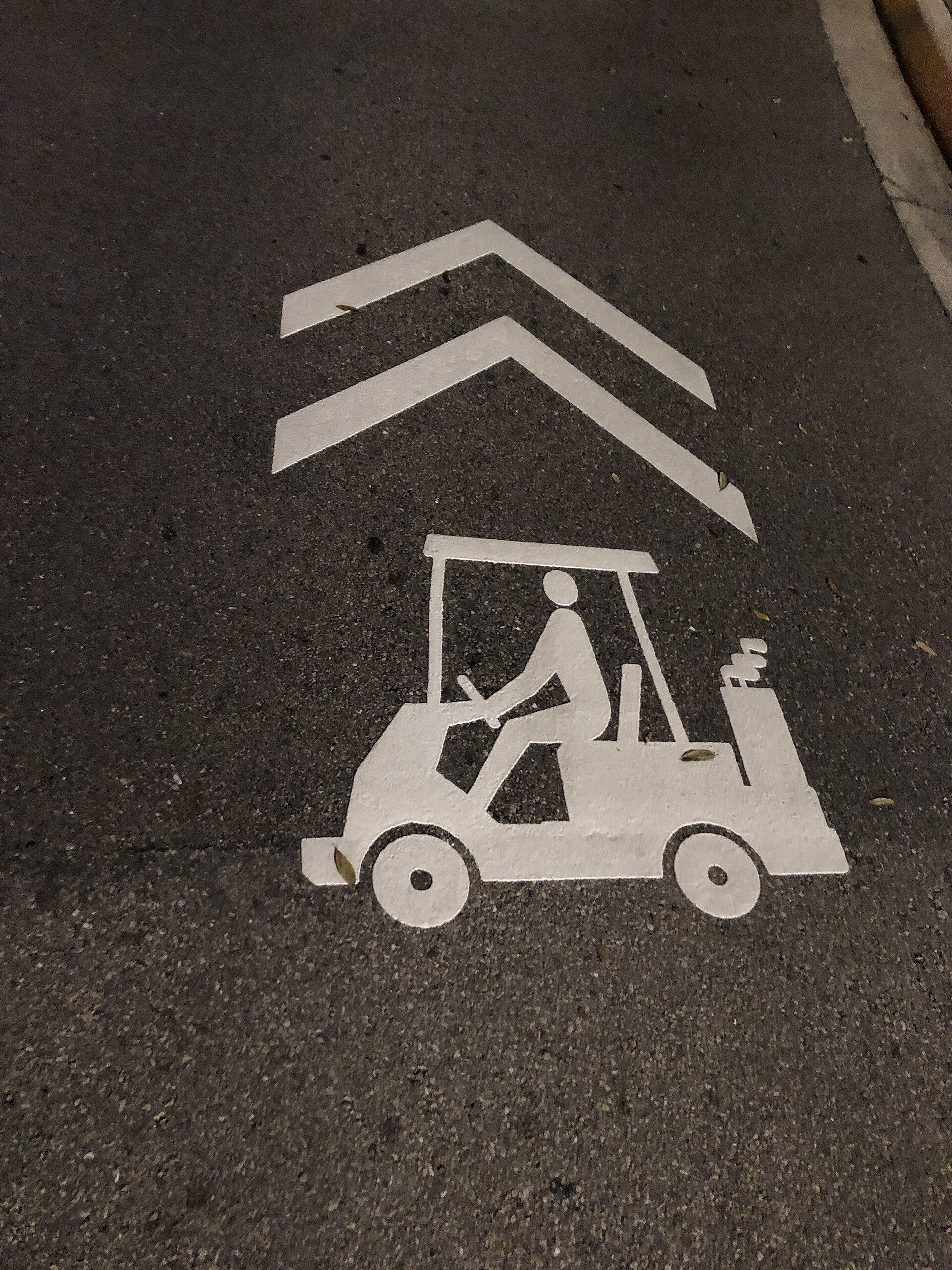
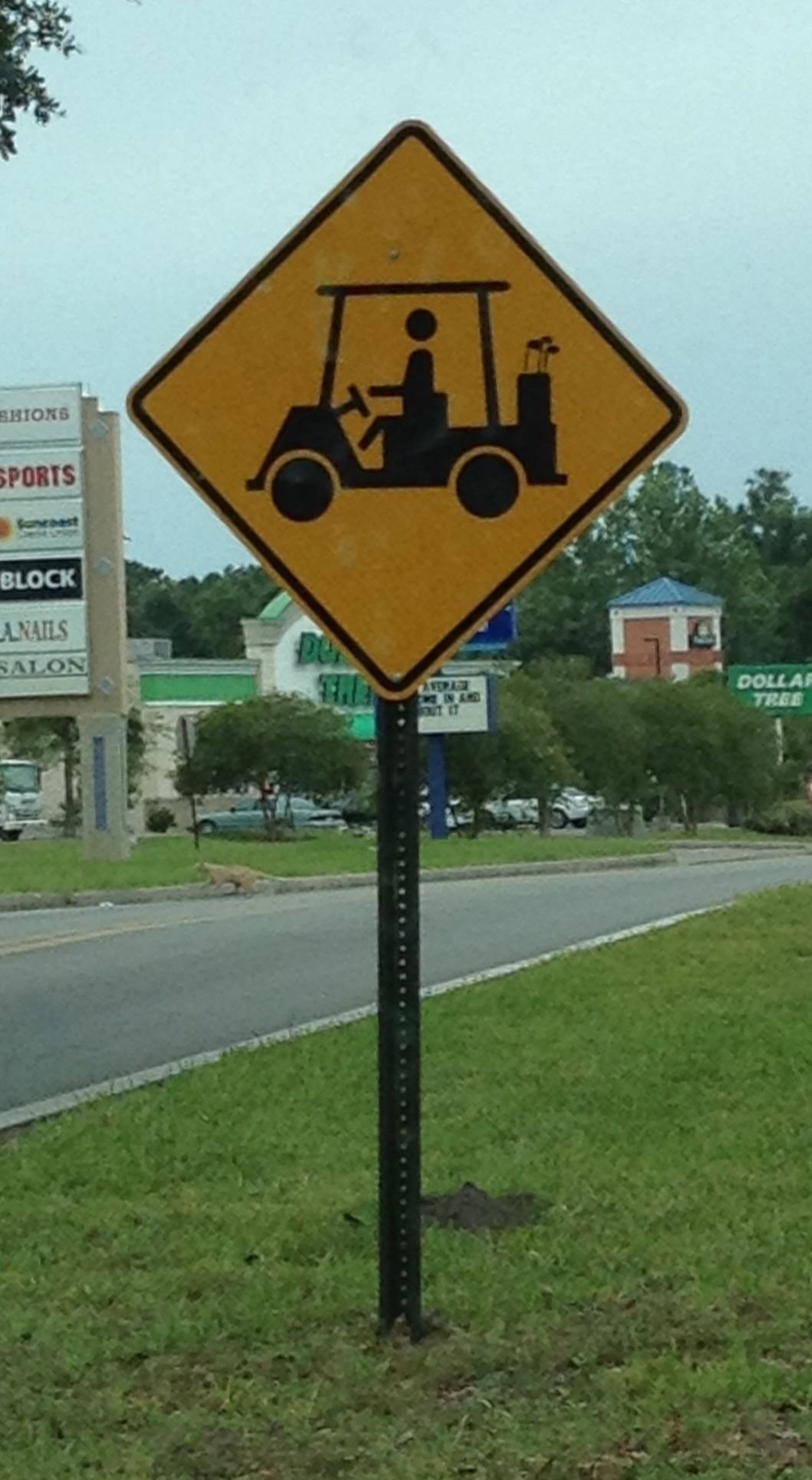
Under Florida Statutes § 316.212, a golf cart may be driven on a public road only if the county, city or water control district has designated that road for golf carts after deciding it is safe, and has posted signs. Golf carts may cross some state highways only at approved crossings. Unless a local government allows otherwise and the cart is equipped for it, golf carts are generally limited to daylight hours. Local ordinances can add more rules, so a road that allows carts in one community may prohibit them a few miles away.
A golf cart, under Florida law, is designed for golf or recreation and cannot go faster than 20 mph. A vehicle that can go 20 to 25 mph and meets federal safety standards is a low-speed vehicle under § 316.2122. LSVs may use roads with posted speed limits of 35 mph or less, and they must be registered, titled and insured, and driven by a licensed driver.
The 2023 age and ID rules
Florida changed the golf cart law in 2023 (HB 949). Since October 1, 2023, a person under 18 may drive a golf cart on public roads only with a valid learner’s license or driver license, and a person 18 or older must have a valid government-issued photo ID. Before the change, 14-year-olds could drive golf carts on designated roads. When a child without a learner’s license crashes a cart on a public road, the parent or adult who allowed it may face a negligence claim.
Who can be liable after a golf cart crash?
- A car or truck driver who fails to yield, speeds or is distracted and hits a golf cart.
- The golf cart driver who turns too sharply, drives impaired, overloads the cart or ignores traffic rules.
- The cart owner or a parent who lets an unlicensed or inexperienced driver use it.
- A rental company, resort or golf course that rents out carts with bad brakes or worn tires, or fails to maintain paths.
- A manufacturer or modifier when a defect, such as brake failure, a lift kit that makes the cart unstable, or an unsafe speed modification, contributes to the crash.
Insurance: the biggest problem in golf cart cases
Florida’s no-fault system is built around motor vehicles that must carry PIP. Golf carts are not required to carry PIP or bodily injury liability coverage, so there may be no auto policy on the cart at all. Depending on the facts and the policy language, coverage may come from:
- The at-fault car driver’s bodily injury liability coverage, if a car caused the crash.
- A homeowner’s or condo policy, which sometimes covers golf carts used on the owner’s property or in the community, and sometimes excludes them.
- A specific golf cart or LSV insurance policy.
- Your own auto policy’s uninsured or underinsured motorist coverage, when the at-fault driver has too little or no insurance; see what happens when the other driver is uninsured.
- A business’s commercial liability policy, for a resort, course or rental company.
Because these policies are written differently, request copies early instead of relying on an adjuster’s summary.
Steps after a golf cart accident
- Get medical care, even if you feel fine; head injuries can show symptoms later.
- Call law enforcement and ask for a crash report.
- Photograph the cart, any other vehicle, the road signs, and the road surface.
- Get names and contact details of drivers, passengers and witnesses.
- Ask who owns the cart and what insurance applies.
- Do not give a recorded statement to an insurer before you understand your rights.
Florida’s comparative fault rule applies, so a rider who was partly careless can still recover a reduced amount unless found more than 50% at fault. Most claims must be filed within two years.
Frequently asked questions
Can a 14-year-old drive a golf cart in Florida?
Not on public roads anymore. Since October 1, 2023, anyone under 18 needs a valid learner’s license or driver license to drive a golf cart on public roads under § 316.212.
Does PIP cover a golf cart accident in Florida?
Often not, because golf carts are not required to carry PIP. Coverage depends on how the crash happened and the policies involved, including auto, homeowner and golf cart policies.
Can I sue if a car hit my golf cart?
Yes. If the car driver was careless, you can bring a claim against that driver’s liability insurance, and your own uninsured motorist coverage may apply if the driver has too little insurance.
Is a golf cart the same as a low-speed vehicle?
No. A golf cart cannot exceed 20 mph. A low-speed vehicle can go 20 to 25 mph, must meet federal safety standards, and must be registered and insured in Florida.
Talk with Fiol & Morros
If you or a family member was hurt in a golf cart accident in the Tampa Bay area, we can track down every policy that may apply. See also our abogado de accidentes automovilísticos de Tampa page. Call Fiol & Morros Law Group at (813) 223-6773 or use the página de contacto for a free consultation. The office is at 1515 N Marion St, Tampa, FL 33602.
Sources
- Florida Statutes § 316.212 (operation of golf carts)
- Florida Statutes § 316.2122 (low-speed vehicles)
- FLHSMV: 2023 golf cart law changes (HB 949)
- Florida Statutes § 768.81 (comparative fault)
- Florida Statutes § 95.11 (limitations periods)
This article is general educational information, not legal advice. Insurance policies and case facts differ, and no outcome is guaranteed. Reading it does not create an attorney-client relationship.






 Español
 English

