




1515 N Marion St
Tampa, Fl 33602

Las fracturas óseas sufridas en accidentes en Tampa pueden causar mucho más que lesiones en los huesos: pueden devastar sus finanzas y su futuro. Estas fracturas a menudo requieren cirugía, una rehabilitación extensa y meses de baja laboral. Nuestros expertos Abogados de Tampa especializados en fracturas óseas. Comprenderemos el impacto total de sus lesiones y trabajaremos incansablemente para garantizarle la mayor indemnización posible por todas sus pérdidas y sufrimientos.
Nuestros abogados de Tampa especializados en fracturas óseas defienden sus derechos.
En Fiol & Morros Law Group, Ayudamos a las víctimas de accidentes a obtener una indemnización por fracturas óseas causadas por negligencia. Ya sea que haya sufrido una fractura de cadera en una caída o una fractura de cráneo en un accidente automovilístico, estamos aquí para apoyarlo. Nuestro equipo cuenta con la experiencia y los recursos necesarios para enfrentarse a las compañías de seguros y luchar por la indemnización completa que le corresponde. Trabajamos a comisión, lo que significa que no tendrá que realizar ningún pago a menos que obtengamos un resultado favorable. Llámenos hoy para una consulta gratuita.
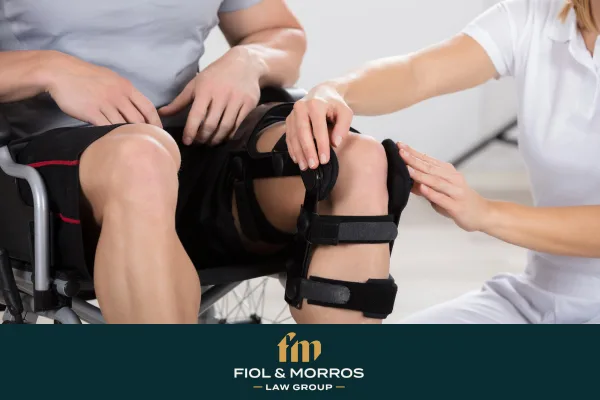
¿Qué son las fracturas óseas y cómo se producen?
Las fracturas, también llamadas roturas óseas, ocurren cuando una fuerza o un traumatismo provoca que un hueso se agriete o se rompa. Algunas fracturas son limpias, mientras que otras fragmentan el hueso en múltiples pedazos. Las clasificaciones comunes de fracturas incluyen fracturas simples, compuestas (abiertas), conminutas y por estrés. Estas lesiones pueden ser consecuencia de diversos accidentes, como accidentes de coche, camión o motocicleta, así como resbalones y caídas o incidentes en obras de construcción.
Las fracturas óseas son dolorosas y suelen requerir una larga recuperación. Las víctimas pueden necesitar equipos de asistencia, fisioterapia y atención médica continua. Algunas experimentan dolor crónico, especialmente si la fractura afecta la columna vertebral, como en el caso de las vértebras fracturadas. Contratar a un abogado especializado en lesiones personales le garantiza la lucha por la indemnización que merece.
Tipos de fracturas óseas: Un análisis médico completo
El tipo de fractura afecta directamente la gravedad de la lesión, la complejidad del tratamiento, el tiempo de recuperación y, en última instancia, el valor de una reclamación por lesiones personales. Los cirujanos ortopédicos utilizan las siguientes clasificaciones, las mismas que emplean los expertos en defensa de las aseguradoras para minimizar el valor de las reclamaciones. Comprenderlas ayuda a su abogado a presentar pruebas médicas precisas.
Fractura simple (cerrada): El hueso se rompe, pero no perfora la piel. El tejido blando circundante generalmente permanece intacto. Las fracturas simples se tratan con inmovilización (yeso, férula o soporte) seguida de fisioterapia. La recuperación suele durar de 6 a 8 semanas para fracturas menores, y más tiempo para huesos que soportan peso, como la tibia o el fémur. Las compañías de seguros a menudo intentan minimizar las fracturas simples, considerándolas "menores", pero incluso una fractura simple de muñeca puede causar una pérdida permanente de la fuerza de agarre e impedir el regreso al trabajo manual o a la actividad deportiva.
Fractura compuesta (abierta): El hueso fracturado atraviesa la piel, creando una herida abierta que expone el hueso al exterior. Las fracturas abiertas conllevan un alto riesgo de infección ósea profunda (osteomielitis), que puede requerir múltiples cirugías, antibióticos intravenosos a largo plazo y, en casos graves, amputación. El tratamiento siempre requiere irrigación y desbridamiento quirúrgico, estabilización con placas, varillas o fijadores externos, y un manejo cuidadoso de la herida. La recuperación se mide en meses o años, y las complicaciones permanentes son frecuentes. Las fracturas abiertas en casos de accidentes en Tampa suelen generar las indemnizaciones más elevadas debido a su gravedad y a la larga duración de la recuperación.
Fractura conminuta: El hueso se fragmenta en tres o más trozos. Las fracturas conminutas suelen ser causadas por impactos de alta energía: colisiones de vehículos, caídas desde alturas considerables o lesiones por aplastamiento. Casi siempre se requiere reconstrucción quirúrgica, que a menudo implica injertos óseos para rellenar los huecos creados por la fragmentación. Los implantes (placas, tornillos, varillas) pueden permanecer en el cuerpo de forma permanente. Los resultados varían, y la artrosis postraumática en la articulación afectada es una complicación frecuente a largo plazo. Las fracturas conminutas de las articulaciones principales (rodilla, cadera, tobillo, hombro) pueden limitar permanentemente la movilidad y el nivel de actividad.
Fracturas transversales y oblicuas: Una fractura transversal se produce perpendicularmente al eje longitudinal del hueso; una fractura oblicua se produce en diagonal. Ambas suelen ser causadas por golpes directos o fuerzas de flexión. Las fracturas transversales en huesos largos como el fémur o la tibia suelen ser consecuencia de impactos de vehículos. Las fracturas oblicuas a menudo resultan de fuerzas de torsión, como en una caída donde el pie se apoya y el cuerpo rota. La fijación quirúrgica con clavo intramedular se utiliza comúnmente para fracturas oblicuas o transversales de huesos largos.
Fractura espiral: Una fractura espiral forma un patrón helicoidal alrededor del eje del hueso, causada por una fuerza de rotación o torsión. En adultos, las fracturas espirales de huesos largos suelen ser consecuencia de caídas o accidentes de motocicleta. Requieren una planificación quirúrgica minuciosa debido a la inestabilidad inherente del patrón de fractura. En ortopedia forense, las fracturas espirales también se asocian con mecanismos de alto torque, como los accidentes de motocicleta en los que la pierna queda atrapada mientras el cuerpo rota.
Fractura por avulsión: Un fragmento de hueso se desprende de la masa ósea principal en el punto de inserción de un tendón o ligamento. Las fracturas por avulsión son frecuentes en accidentes de tráfico a alta velocidad, caídas y lesiones deportivas. A menudo pasan desapercibidas en las radiografías iniciales y pueden requerir una resonancia magnética para su detección. Las localizaciones más comunes incluyen la rodilla (avulsión de la tuberosidad tibial), el tobillo (avulsión del peroné) y el hombro (avulsión de la tuberosidad mayor de la inserción del manguito rotador). Si no se diagnostican o no se tratan adecuadamente, las fracturas por avulsión provocan inestabilidad crónica y dolor en la articulación afectada.
Fractura en tallo verde: Una fractura incompleta es aquella en la que el hueso se dobla y se rompe parcialmente, en lugar de romperse por completo. Las fracturas en tallo verde ocurren casi exclusivamente en niños, cuyos huesos son más flexibles. En casos de accidentes pediátricos, estas fracturas requieren una documentación minuciosa, ya que los peritos de seguros pueden minimizarlas al considerarlas fracturas "incompletas". Sin embargo, incompleta no significa leve, y un tratamiento adecuado es fundamental para prevenir la deformidad angular a medida que el niño crece.
Fractura por estrés: Una pequeña fisura o hematoma severo dentro de un hueso causado por una fuerza repetitiva acumulativa, en lugar de un impacto agudo único. En casos de accidentes, las fracturas por estrés pueden desarrollarse como una complicación secundaria; por ejemplo, una víctima que cojea debido a una lesión aguda ejerce una carga anormal sobre otros huesos, lo que provoca fracturas por estrés en el pie, la tibia o la cadera. Las fracturas por estrés suelen ser invisibles en las radiografías iniciales y requieren una gammagrafía ósea o una resonancia magnética para su diagnóstico. Su aparición tardía puede complicar los plazos de las reclamaciones y requiere un abogado que sepa cómo documentar correctamente la evolución de las lesiones.
Causas comunes de fracturas óseas en Tampa
Muchos accidentes graves pueden provocar fracturas. Algunas de las causas más comunes en Tampa incluyen:
- Accidentes de coche y colisiones de vehículos
- Accidentes de Resbalones y Caídas
- Incidentes laborales, especialmente caídas desde alturas.
- Lesiones deportivas y accidentes recreativos
La negligencia suele ser la causa de estos accidentes. Los propietarios pueden no prevenir las caídas al no reparar pisos mojados o pasamanos rotos. Las residencias de ancianos pueden pasar por alto la necesidad de barras de ducha o dispositivos de asistencia, lo que puede provocar fracturas de cadera en adultos mayores. Cuando las acciones de otra persona provocan su lesión, usted puede tener derecho a presentar una demanda. reclamación por lesiones personales.
Accidentes de coche y fracturas
Los accidentes de tráfico ejercen una fuerza considerable sobre el cuerpo. En un choque, es común que se produzcan fracturas óseas debido al impacto con las bolsas de aire, el volante u otras superficies duras. Las víctimas suelen sufrir fracturas de cráneo, de cadera o de brazos y piernas. Nuestros abogados trabajan para obtener una indemnización completa por su tratamiento médico y otras pérdidas.
Lesiones por resbalones y caídas
Las caídas y resbalones son una causa importante de fracturas óseas. Los pisos mojados, las alfombras sueltas y las escaleras rotas pueden provocar lesiones graves. Cuando estos accidentes ocurren en lugares públicos o establecimientos comerciales, el propietario puede ser responsable. Nuestro equipo investiga estos incidentes y ayuda a presentar reclamaciones por responsabilidad civil.
Accidentes laborales y fracturas
Las obras de construcción y los almacenes son entornos de alto riesgo. Las caídas desde andamios o los golpes con objetos pesados pueden provocar fracturas abiertas o vertebrales. Si ha sufrido una lesión en el trabajo, podemos ayudarle con las reclamaciones de indemnización laboral y las reclamaciones a terceros.
Fracturas óseas más comunes en casos de accidentes en Tampa
No todas las fracturas reciben el mismo trato según la ley de lesiones personales de Florida ni por parte de los ajustadores de seguros. El hueso fracturado, el mecanismo de la lesión y su función en las actividades diarias influyen tanto en el tratamiento médico como en el valor de la reclamación. Los siguientes huesos son los que se fracturan con mayor frecuencia en los accidentes en Tampa y conviene conocerlos en detalle.
Fractura de cadera (fémur proximal): Las fracturas de cadera son más comunes en pacientes ancianos que se caen, la principal causa de muerte relacionada con lesiones en adultos mayores de 65 años, según el Centros para el Control y la Prevención de Enfermedades. En Tampa, la negligencia en residencias de ancianos, los suelos mojados en centros de vida asistida y las barandillas inadecuadas son causas frecuentes de fracturas de cadera. Casi siempre requieren reparación quirúrgica (hemiartroplastia o reemplazo total de cadera), seguida de rehabilitación hospitalaria. Los costos médicos del primer año por una fractura de cadera, incluyendo cirugía, hospitalización y rehabilitación, oscilan entre 30.000 y 60.000 dólares. En pacientes ancianos, la tasa de complicaciones es alta: estudios muestran que entre el 20 y el 30 por ciento de los ancianos con fractura de cadera fallecen en el plazo de un año tras la lesión debido a complicaciones postoperatorias. Esto convierte a los casos de fractura de cadera en algunos de los reclamos por responsabilidad civil y negligencia en residencias de ancianos de mayor valor.
Fractura de fémur (hueso del muslo): El fémur es el hueso más fuerte del cuerpo humano; cuando se fractura, generalmente se debe a un mecanismo de alta energía, como un accidente automovilístico, una colisión con un camión o un atropello. Las fracturas de fémur son emergencias médicas: el muslo puede contener hasta dos litros de sangre por hemorragia interna antes de que aparezcan signos externos. La fijación quirúrgica con un clavo intramedular es el tratamiento estándar. La recuperación requiere de 3 a 6 meses de restricción de la carga, fisioterapia intensiva y seguimiento para detectar necrosis avascular (muerte del hueso por interrupción del suministro de sangre). Los costos médicos para fracturas aisladas de fémur suelen oscilar entre 40.000 y 100.000.
Fractura vertebral (columna vertebral): Las fracturas vertebrales varían desde fracturas por compresión estables hasta fracturas por estallido altamente inestables con riesgo de lesión medular. Las fracturas por compresión, donde se produce el colapso de la parte frontal de la vértebra, son frecuentes en caídas, especialmente en pacientes con osteoporosis. Las fracturas por estallido afectan a todo el cuerpo vertebral y pueden desplazar fragmentos óseos hacia el canal espinal, con riesgo de parálisis. Incluso las fracturas vertebrales estables causan dolor de espalda crónico y pueden requerir fusión quirúrgica. Las regiones lumbar (parte baja) y torácica (parte media de la espalda) son las más afectadas en los accidentes de Tampa relacionados con colisiones por alcance, caídas e incidentes de construcción.
Fractura de cráneo: Las fracturas de cráneo en accidentes casi siempre van acompañadas de traumatismo craneoencefálico (TCE). Las fracturas lineales de cráneo siguen un patrón de fisura recta y pueden requerir o no cirugía, dependiendo de si la duramadre subyacente está dañada. Las fracturas de cráneo con hundimiento, en las que un fragmento de cráneo se desplaza hacia adentro, generalmente requieren elevación quirúrgica para aliviar la presión y prevenir la compresión cerebral. Las fracturas de la base del cráneo (en la base del cráneo) se asocian con TCE grave y conllevan un riesgo significativo de mortalidad. Dado que las fracturas de cráneo casi siempre van acompañadas de lesiones cerebrales, estos casos requieren el testimonio de expertos tanto neuroquirúrgicos como neuropsicológicos para documentar completamente la lesión y sus consecuencias a largo plazo.
Fractura de muñeca (radio distal / escafoides): La fractura del radio distal (fractura de Colles) es la fractura ósea más frecuente en general; se produce cuando una persona extiende el brazo para amortiguar una caída (un reflejo conocido como FOOSH: caída sobre la mano extendida). Las fracturas del escafoides, que afectan a un pequeño hueso de la muñeca, suelen diagnosticarse erróneamente en las radiografías iniciales, aparentando normalidad durante semanas. Si no se detectan, las fracturas del escafoides progresan a necrosis avascular y pueden provocar una disfunción permanente de la muñeca. Las fracturas de muñeca que afectan a la mano dominante en trabajadores que realizan tareas manuales especializadas (mecánicos, obreros de la construcción, cirujanos) generan importantes reclamaciones por pérdida de capacidad laboral.
Fracturas de costillas: Las fracturas de múltiples costillas (especialmente tres o más en el mismo lado) provocan una afección llamada tórax inestable, en la que la pared torácica pierde su integridad estructural y la respiración se dificulta. Las fracturas de costillas son extremadamente dolorosas: cada respiración estira la zona fracturada. Son frecuentes en traumatismos torácicos cerrados causados por accidentes de tráfico (lesiones por cinturón de seguridad e impactos con el volante) y caídas. Cada costilla fracturada provoca un dolor intenso que limita la profundidad de la respiración, lo que conlleva un grave riesgo de neumonía por respiración superficial. El tratamiento consiste principalmente en el control del dolor y el soporte respiratorio, pero el tórax inestable grave puede requerir estabilización quirúrgica.
Tibia/Peroné (Parte inferior de la pierna): La tibia es el hueso largo que se fractura con mayor frecuencia en accidentes de peatones y motocicletas en Tampa. Una fractura de la diáfisis tibial por impacto de vehículo es una lesión de alta energía con un riesgo significativo de síndrome compartimental, una emergencia que amenaza la extremidad, donde la presión dentro del compartimento muscular interrumpe el flujo sanguíneo, lo que requiere una fasciotomía de emergencia para prevenir la necrosis tisular y una posible amputación. Las fracturas de tibia suelen ir acompañadas de fracturas de peroné, daño de ligamentos y artrosis postraumática a largo plazo en el tobillo o la rodilla.
¿Sufrió una fractura en Tampa? Es posible que tenga derecho a una indemnización.
(813) 223-6773Consulta gratuita: no cobramos nada a menos que ganemos su caso.
Cómo se diagnostican y tratan las fracturas óseas
El diagnóstico de una fractura ósea generalmente comienza con un examen físico y una radiografía. Los médicos suelen recurrir a técnicas de imagen avanzadas, como resonancias magnéticas y tomografías computarizadas, para evaluar patrones de fractura complejos. Estas herramientas ayudan a detectar fracturas que no son visibles con las técnicas de imagen convencionales. Los planes de tratamiento deben ser personalizados para garantizar el mejor resultado.
Los médicos eligen el tratamiento según el tipo de fractura ósea. Las fracturas simples pueden tratarse con un yeso o una férula. Las lesiones graves, como una fractura de cráneo o de cadera, pueden requerir cirugía. La medicación para el dolor, la fisioterapia y las citas de seguimiento suelen formar parte del proceso de recuperación. Nuestro bufete ayuda a sus clientes a recuperar los gastos médicos y otros daños relacionados con estos tratamientos.

El proceso legal para reclamaciones por lesiones por fracturas óseas en Tampa
Si ha sufrido una fractura ósea debido a la negligencia de otra persona, es importante comprender el proceso legal. Un abogado experto se encargará de su caso de principio a fin, ya sea que se resuelva mediante un acuerdo o llegue a juicio.
Recopilación de pruebas y preparación de su caso
El primer paso es reunir pruebas sólidas. Esto incluye historiales médicos, tomografías computarizadas, informes médicos e imágenes de la lesión. Otros elementos útiles son las declaraciones de testigos, los informes de accidentes y cualquier evidencia fotográfica de condiciones inseguras, como un riesgo de resbalón y caída. Trabajamos en estrecha colaboración con profesionales médicos y expertos legales para presentar un caso claro.
Negociación con Compañías de Seguros
A continuación, negociamos con la compañía de seguros. Es posible que intenten limitar su indemnización o retrasar la reclamación. Como abogados con experiencia en lesiones personales, nos oponemos firmemente. Luchamos por una compensación completa, que incluye gastos médicos, analgésicos, fisioterapia y salarios perdidos. Nuestros resultados demuestran nuestro compromiso de maximizar los beneficios que usted recibe.
¿Quién puede ser considerado responsable de una lesión por fractura ósea en Tampa?
Una demanda por fractura ósea se dirige contra la parte cuya negligencia causó la fractura. Según la ley de Florida, varias partes pueden ser responsables, e identificar a cada parte responsable es fundamental para maximizar la indemnización, especialmente cuando uno de los demandados tiene un seguro o un patrimonio limitados.
- Conductor negligente (accidente de tráfico): Cuando una fractura es causada por una colisión de automóvil, camión, motocicleta o vehículo comercial, el conductor responsable es el principal demandado. La responsabilidad se basa en la negligencia: exceso de velocidad, conducción distraída, no respetar un semáforo en rojo, no ceder el paso o conducir bajo los efectos del alcohol. El seguro de responsabilidad civil por lesiones corporales (BIL) del conductor es la principal fuente de indemnización. En casos de fracturas graves donde los límites de la póliza son insuficientes, su abogado también gestionará su propia cobertura de automovilista sin seguro o con seguro insuficiente (UM/UIM).
- Propietario del inmueble (Responsabilidad civil del inmueble): Cuando una fractura ósea es consecuencia de una caída en una propiedad peligrosa —como un piso mojado en un supermercado, un pavimento de estacionamiento en mal estado, una escalera sin pasamanos o una acera derruida—, el propietario u ocupante de la propiedad puede ser responsable según la ley de responsabilidad civil de Florida. El deber de diligencia del propietario depende de si la víctima es un invitado (deber máximo), un licenciatario (deber moderado) o un intruso (deber limitado). En la mayoría de los casos de caídas en espacios comerciales, la víctima es un invitado, y el propietario debe ejercer un cuidado razonable para mantener la propiedad segura.
- Empleador / Tercero Demandado (Lesión en el Lugar de Trabajo): Las fracturas laborales activan la cobertura de compensación laboral de Florida según el Capítulo 440, que proporciona reemplazo salarial y beneficios médicos independientemente de quién tenga la culpa. Sin embargo, la compensación laboral excluye la mayoría de las demandas contra el empleador. Si la fractura fue causada por un tercero (un empleado de un subcontratista, un fabricante de productos, un conductor de reparto o el propietario de una propiedad en el lugar de trabajo), se puede presentar una demanda por lesiones personales contra ese tercero junto con la demanda de compensación laboral, lo que podría resultar en una indemnización significativamente mayor que la que se obtendría solo con la compensación laboral.
- Fabricante del producto (producto defectuoso): Si una fractura fue consecuencia de una falla del producto —un componente del automóvil que falló durante una colisión, una escalera defectuosa que se derrumbó, un andamio que se dobló o un equipo médico de asistencia que se rompió—, se puede presentar una demanda por responsabilidad del producto contra el fabricante bajo la doctrina de responsabilidad objetiva de Florida. Esta demanda no requiere probar negligencia; solo que el producto era defectuoso, que el defecto causó la lesión y que la lesión ocurrió dentro del uso previsible del producto.
- Entidad gubernamental (carretera peligrosa o propiedad pública): Cuando una fractura ósea es consecuencia de una condición peligrosa en la vía pública —un bache, un bordillo derrumbado, una barandilla faltante o señalización defectuosa— se puede presentar una reclamación contra la entidad gubernamental responsable conforme a la Sección 768.28 de la Ley de Florida. Estas reclamaciones requieren el cumplimiento estricto de los requisitos de notificación previa: una notificación escrita de la reclamación enviada a la agencia responsable al menos 6 meses antes de presentar la demanda. El incumplimiento de este requisito invalida la reclamación por completo.
- Residencia de ancianos o centro de vida asistida: Las fracturas de cadera y vertebrales en pacientes ancianos suelen deberse a fallos en la prevención de caídas en residencias de ancianos y centros de vida asistida. Según el Capítulo 400 de la Ley de Florida (Derechos de los Residentes de Residencias de Ancianos), los residentes tienen derecho a un entorno seguro, supervisión adecuada y protocolos de prevención de caídas. Cuando la negligencia de una residencia provoca que un residente se caiga y sufra una fractura, se pueden interponer demandas tanto por lesiones personales como por negligencia de la residencia.
¿Qué indemnización se puede reclamar por una fractura ósea en Florida?
La ley de Florida permite a las víctimas de fracturas óseas recuperar daños tanto económicos como no económicos. El valor total de una reclamación por fractura depende del hueso fracturado, el tratamiento requerido, la edad y la ocupación de la víctima, y las consecuencias a largo plazo de la fractura en su vida. A continuación, se presenta un desglose detallado de cada categoría.
Atención médica de emergencia: Los gastos de la sala de emergencias, las tarifas de ambulancia, la cirugía de emergencia, la anestesiología, los productos sanguíneos y la atención en la UCI. Para una fractura abierta grave o una fractura de fémur, los costos de emergencia y hospitalización por sí solos pueden alcanzar entre $50,000 y $150,000 antes de que comience cualquier tratamiento ambulatorio. El seguro PIP de Florida cubre 80% de gastos médicos de emergencia razonables hasta $10,000, pero el tratamiento de emergencia para una fractura grave casi siempre excederá los límites del PIP, transfiriendo el saldo restante al reclamo de responsabilidad civil.
Costos de cirugía y equipos: Las fracturas que requieren reducción abierta y fijación interna (RAFI) —placas, tornillos, varillas, clavos— generan una facturación quirúrgica independiente para los implantes en sí (generalmente de 5000 a 20 000 por juego de material de osteosíntesis), los honorarios del cirujano, los gastos del centro quirúrgico y las pruebas de imagen postoperatorias. Los pacientes que desarrollan complicaciones relacionadas con el material de osteosíntesis (infección, fallo del material, aflojamiento) pueden requerir una cirugía de revisión, lo que duplica los costes quirúrgicos iniciales. Todos los costes de la cirugía inicial y de la de revisión son recuperables en una demanda por lesiones personales.
Fisioterapia y rehabilitación: La fisioterapia para una fractura grave generalmente se prescribe por 2 a 6 meses, con sesiones de 2 a 3 veces por semana. A un costo de $150 a $300 por sesión, los costos acumulados de fisioterapia pueden alcanzar de $5,000 a $20,000 por una sola lesión. Las fracturas graves que requieren rehabilitación hospitalaria (fracturas de cadera, fracturas de columna) generan costos diarios adicionales de rehabilitación hospitalaria de $500 a $1,500 por día durante 2 a 6 semanas, lo que produce de $7,000 a $60,000 en gastos adicionales de rehabilitación.
Dispositivos de asistencia y modificaciones del hogar: Las muletas, andadores, sillas de ruedas, aparatos ortopédicos y equipos de asistencia para el baño y la cama son recuperables. Las fracturas graves de cadera o columna vertebral pueden requerir modificaciones en el hogar (rampas para sillas de ruedas, barras de apoyo en el baño, elevadores de escaleras) con un costo de entre 5000 y 30 000 T. Las modificaciones de vehículos para el acceso de sillas de ruedas o ayudas para la movilidad pueden añadir entre 10 000 y 30 000 T en costos de equipo.
Pérdida de ingresos y disminución de la capacidad de generar ingresos: La pérdida de salario cubre los ingresos perdidos durante el período de recuperación. Una fractura de fémur que impide trabajar durante 3 meses le cuesta a un trabajador que gana $60,000 al año $15,000 en salarios perdidos. La disminución de la capacidad de ganancia futura es la cifra más significativa cuando una fractura causa limitaciones funcionales permanentes. Un trabajador de la construcción que ya no puede realizar trabajos pesados después de una fractura conminuta de tobillo puede verse limitado a trabajos ligeros o sedentarios con salarios significativamente más bajos. Los expertos en rehabilitación vocacional y los economistas calculan el valor actual de la pérdida de ingresos de por vida, que puede superar $1 millón en víctimas jóvenes con altos ingresos.
Daños no económicos: El dolor y el sufrimiento, la angustia emocional, la pérdida del disfrute de la vida (pasatiempos, deportes, actividades familiares), la desfiguración por cicatrices quirúrgicas o mala consolidación, y la pérdida de la compañía conyugal (impacto en la relación matrimonial) son daños no económicos que un jurado de Florida puede otorgar sin límite legal en la mayoría de los casos de lesiones personales. En casos de fracturas complejas, especialmente aquellas que involucran la columna vertebral, la cadera o el cráneo, los daños no económicos suelen superar los daños económicos.
Daños punitivos (Sección 768.72): En casos donde la conducta del demandado fue gravemente imprudente o intencional —un conductor ebrio, una residencia de ancianos que ocultó deliberadamente riesgos de caídas conocidos o un empleador que violó a sabiendas las normas de andamiaje de OSHA—, se pueden otorgar daños punitivos además de los daños compensatorios. En Florida, se requiere la aprobación judicial previa al juicio para poder solicitar daños punitivos. Una vez aprobados, los daños punitivos pueden aumentar significativamente la indemnización total como elemento disuasorio para el demandado y otras personas en situaciones similares.
No permita que las compañías de seguros subestimen el valor de su reclamación por fractura.
(813) 223-6773Consulta gratuita: no cobramos nada a menos que ganemos su caso.
Plazo de prescripción: ¿Cuánto tiempo tiene para presentar una reclamación por una lesión ósea fracturada?
Bajo los Sección 95.11(3)(a) de Florida, Tienes dos años a partir de la fecha de tu lesión para presentar una demanda por lesiones personales por una fractura causada por la negligencia de otra persona. Este plazo fue reducido de cuatro a dos años por la Legislatura de Florida en 2023. Se aplica estrictamente: si no lo cumples, pierdes permanentemente tu derecho a demandar, independientemente de la gravedad de tu fractura o de cuán evidente sea la culpa de la otra parte.
Si su fractura fue causada por una condición peligrosa en una propiedad gubernamental (una acera pública, una carretera del condado, un parque estatal o un edificio gubernamental), se aplican requisitos procesales adicionales según la Sección 768.28 de Florida. Debe enviar una notificación formal por escrito de su reclamo a la agencia gubernamental responsable al menos 6 meses antes de poder presentar una demanda. Dado el período de espera de 6 meses, los reclamos contra el gobierno deben iniciarse dentro del primer año y medio después de la lesión para conservar todas las opciones legales.
En la práctica, la importancia de contactar rápidamente a un abogado especializado en fracturas va mucho más allá del plazo legal. Las pruebas del lugar del accidente (marcas de frenada, superficies de suelo defectuosas, equipos dañados) pueden repararse o destruirse en cuestión de días o semanas. Los vídeos de vigilancia suelen sobrescribirse entre 30 y 90 días después. Un abogado contratado con antelación puede enviar cartas de destrucción de pruebas para su conservación, obtener las grabaciones antes de que se sobrescriban, contratar a expertos en reconstrucción de accidentes mientras la escena aún está intacta y llevar a cabo la investigación formal antes de que los testigos clave dejen de estar disponibles.
Regla de culpa comparativa de Florida de 2023 y reclamaciones por lesiones óseas fracturadas
El sistema de culpa comparativa de Florida (Sección 768.81 de los Estatutos de Florida) fue modificado significativamente en 2023. Según la antigua regla de culpa comparativa "pura", una persona lesionada podía obtener una indemnización incluso si su culpa era de 99% en el accidente; su compensación simplemente se reducía según su porcentaje de culpa. Con la nueva regla de culpa comparativa "modificada", un demandante cuya culpa sea de 51% o superior queda totalmente excluido de recibir cualquier compensación. Este cambio tiene importantes implicaciones para los casos de fracturas en Florida.
Las compañías de seguros ahora buscan rutinariamente maneras de aumentar el porcentaje de culpa del demandante a 51% o más. En casos de fracturas, los argumentos comunes de culpa comparativa incluyen: que el demandante no llevaba puesto el cinturón de seguridad (en casos de accidentes automovilísticos), que llevaba calzado inadecuado que contribuyó a la caída, que ignoró las señales de advertencia visibles en el lugar de la caída por responsabilidad de las instalaciones, que usaba su teléfono mientras caminaba antes de resbalar y caer, o que iba a exceso de velocidad en bicicleta cuando fue golpeado por un vehículo. Cada uno de estos argumentos está diseñado para desviar la responsabilidad y reducir, o incluso eliminar, la indemnización.
Un abogado experto en fracturas óseas refuta sistemáticamente estos argumentos argumentando que la negligencia del demandado fue la causa principal del accidente, independientemente de la conducta del demandante; que el lugar específico de la fractura es incompatible con el mecanismo de culpa comparativa alegado; y utilizando el testimonio de un perito médico para demostrar que la fractura se habría producido en las condiciones alegadas, independientemente del comportamiento del demandante. En las reclamaciones por fracturas óseas donde la culpa del demandante se evalúa por debajo del criterio 51%, la indemnización se reduce proporcionalmente, lo que significa que la disputa sobre los porcentajes de culpa suele ser más importante que la disputa sobre la cifra total de daños.
Estatutos clave de Florida que rigen las reclamaciones por lesiones óseas fracturadas
Los siguientes estatutos rigen directamente cómo se presentan, valoran y tramitan las reclamaciones por lesiones óseas fracturadas en los tribunales de Florida:
| Estatuto | Título | Pertinencia |
|---|---|---|
| Sección 95.11(3)(a) | Plazo de prescripción de 2 años | Las demandas por lesiones personales deben presentarse dentro de los 2 años siguientes a la fecha del accidente (modificado en 2023, se redujo el plazo de 4 años). El incumplimiento de este plazo invalida definitivamente la reclamación. |
| Sección 768.81 | Fallo comparativo modificado | La indemnización se reduce proporcionalmente según la culpa del demandante. El demandante queda totalmente excluido si la culpa es de 51% o superior (enmienda de 2023). Sustituye al anterior sistema de culpa comparativa pura. |
| Sección 768.28 | Exención de inmunidad soberana | Permite presentar demandas contra el gobierno estatal y local por condiciones peligrosas en la propiedad. Requiere un aviso previo por escrito con 6 meses de anticipación. El límite máximo es de 1 TP4T200,000 por persona y 1 TP4T300,000 por incidente. |
| Sección 768.72 | Daños Punitivos | Se pueden conceder daños punitivos con la aprobación del tribunal cuando la conducta del demandado haya sido intencional o gravemente negligente. No existe límite máximo a menos que la conducta haya estado motivada por un beneficio económico. |
| Sección 627.736 | Cobertura PIP sin culpa | El seguro PIP de Florida cubre 80% de gastos médicos hasta $10,000, independientemente de quién tenga la culpa. Se debe cumplir con el umbral de lesión permanente para reclamar daños no económicos a la parte culpable. |
| Sección 627.737 | Umbral de responsabilidad civil (lesión permanente) | Para obtener una indemnización por dolor y sufrimiento en un accidente automovilístico, el demandante debe haber sufrido lesiones permanentes, cicatrices importantes o la muerte. Por lo general, todas las fracturas graves dan derecho a indemnización. |
| Capítulo 440 | Compensación laboral | Proporciona compensación salarial y prestaciones médicas por fracturas laborales, independientemente de quién tenga la culpa. Prohíbe las demandas contra los empleadores, pero mantiene las reclamaciones contra terceros. |
¿Por qué elegir a nuestros abogados especializados en fracturas óseas en Tampa?
Elegir al abogado adecuado en Tampa puede marcar la diferencia. En Fiol & Morros Law Group, nos comprometemos a ayudar a quienes sufren fracturas óseas a causa de accidentes graves o negligencia.
- Amplia experiencia en el tratamiento de lesiones por fracturas óseas, incluyendo fracturas de cadera y fracturas vertebrales.
- Conocimiento profundo de afecciones médicas como lesiones cerebrales y traumatismos de la médula espinal.
- Historial comprobado de éxito en reclamaciones por accidentes de construcción, negligencia en residencias de ancianos y resbalones y caídas.
- Investigaciones detalladas respaldadas por datos de los Centros para el Control y la Prevención de Enfermedades y testimonios de expertos.
- Sin cargos iniciales: trabajamos con base en honorarios de contingencia.
- Consulta gratuita para revisar su caso y explicarle sus opciones legales.
- Sólido historial de premios otorgados por jurados y resultados de casos centrados en el cliente.
Preguntas frecuentes
¿Qué debo hacer inmediatamente después de sufrir una fractura en Tampa?
Busque atención médica de inmediato. Luego, documente la escena, recopile información de los testigos y contacte a un abogado para proteger sus derechos.
¿Cuánto tiempo tengo para presentar una reclamación por una fractura ósea en Tampa?
En Florida, el plazo de prescripción para presentar una reclamación por lesiones limita el tiempo disponible; demorarse podría costarle una indemnización. Lo mejor es actuar con rapidez para preservar las pruebas y cumplir con los plazos.
¿Mi seguro cubrirá todos mis gastos médicos después de una fractura?
El seguro puede cubrir algunos costos, pero no todos. Una demanda judicial puede ayudar a recuperar gastos adicionales, como cuidados a largo plazo o terapia.
¿Puedo presentar una reclamación si tuve parte de la culpa del accidente?
Sí. Regla de negligencia comparativa de Florida Permite recibir una indemnización incluso si usted tiene parte de la culpa, aunque la compensación podría reducirse.
¿Qué indemnización puedo esperar por mi fractura ósea en Tampa?
Eso depende de la naturaleza de su lesión, los gastos médicos asociados y cómo afecta a su vida. Un abogado le ayudará a calcular y maximizar su indemnización.
¿Cuánto cuesta contratar a un abogado especializado en fracturas óseas en Tampa?
La mayoría de los abogados trabajan a comisión, lo que significa que usted no paga nada a menos que su caso tenga éxito.
¿Cuál es el plazo de prescripción para presentar una reclamación por fractura ósea en Florida?
Según la Sección 95.11(3)(a) de la ley de Florida, usted tiene dos años a partir de la fecha de su accidente para presentar una demanda por fractura ósea; este plazo se redujo de cuatro años por la legislación vigente desde el 24 de marzo de 2023. Incumplir este plazo invalida permanentemente su reclamación, independientemente de la gravedad de la culpa de la otra parte. Comuníquese con un abogado de inmediato para preservar las pruebas y garantizar que su reclamación se presente a tiempo.
¿Puedo demandar a una residencia de ancianos o centro de vida asistida si un residente sufrió una fractura de cadera allí?
Sí, las fracturas de cadera en residentes de hogares de ancianos suelen ser causadas por negligencia, falta de personal o incumplimiento de los protocolos de prevención de caídas exigidos por el Capítulo 400 de la Ley de Florida. Las familias pueden presentar reclamaciones por gastos médicos, dolor y sufrimiento, y otras compensaciones adicionales contempladas en la legislación de Florida sobre los derechos de los residentes de hogares de ancianos. Un abogado puede obtener informes de incidentes y registros de personal para determinar la responsabilidad del centro.
Sufrí una lesión en el trabajo y me fracturé un hueso. ¿Puedo demandar a mi empleador?
El sistema de compensación laboral de Florida (Capítulo 440) generalmente prohíbe las demandas directas contra el empleador, proporcionando beneficios médicos y compensación salarial independientemente de quién tenga la culpa. Sin embargo, se puede demandar a un tercero negligente, como un contratista, un fabricante de equipos o el propietario de una propiedad, cuyas acciones contribuyeron a la fractura. Un abogado puede identificar a todas las partes responsables, además del empleador, para maximizar la indemnización total.
¿El tipo de fractura influye en el valor de mi caso?
Sí, significativamente: las fracturas compuestas, conminutas y quirúrgicas suelen resultar en indemnizaciones más altas que las fracturas simples debido a los mayores costos del tratamiento y los tiempos de recuperación más prolongados. El hueso afectado también es importante: las fracturas de cadera y columna vertebral tienen un valor mayor porque con frecuencia causan limitaciones permanentes. Un experto médico puede documentar el impacto de la fractura en la funcionalidad diaria para respaldar la indemnización completa.
¿Cubre el seguro PIP sin culpa de Florida las lesiones por fracturas óseas?
El seguro PIP de Florida (Sección 627.736) cubre $80% de gastos médicos y $60% de salarios perdidos hasta $$10,000, independientemente de quién tenga la culpa, pero solo si usted buscó tratamiento dentro de los 14 días posteriores al accidente. Cualquier fractura cumple con el umbral de lesión permanente de Florida según la Sección 627.737, lo que le permite salir del sistema sin culpa y demandar al conductor culpable por daños y perjuicios por dolor y sufrimiento. Su abogado puede coordinar las reclamaciones de PIP con su demanda por lesiones personales para maximizar la recuperación total.
¿Y si el hueso roto ya ha sanado? ¿Puedo presentar una reclamación?
Sí, una fractura curada no elimina su derecho a demandar ni reduce el valor de su reclamación, ya que muchas fracturas dejan secuelas permanentes, como artritis postraumática, restos de material de osteosíntesis o irregularidades en las placas de crecimiento, incluso después de la curación clínica. El umbral de lesión permanente de Florida se cumple con cualquier fractura, independientemente de su estado de curación, lo que preserva su derecho a una indemnización completa por dolor y sufrimiento. Los registros médicos y las imágenes que documentan la fractura y sus efectos residuales son pruebas fundamentales.
¿Qué es el “umbral de lesión permanente” y mi fractura lo alcanza?
El umbral de lesiones permanentes de Florida (Sección 627.737) es la vía legal para obtener una indemnización por dolor y sufrimiento en casos de accidentes automovilísticos, y cualquier fractura ósea lo cumple automáticamente según la ley de Florida. Esto significa que las víctimas de fracturas en accidentes automovilísticos pueden evitar el sistema de seguro sin culpa y demandar al conductor responsable por la totalidad de los daños no económicos. Aun así, es necesario probar la responsabilidad y los daños, por lo que la asesoría de un abogado es fundamental incluso cuando se cumple claramente el umbral.
Contacte con nuestros abogados especializados en fracturas óseas en Tampa para una consulta gratuita.
Si usted o un ser querido sufrió fracturas en un accidente, no espere. Nuestro equipo legal está listo para ayudarle a obtener la justicia y la compensación que merece. Desde fallas en la prevención de caídas en residencias para personas mayores hasta abuso físico o negligencia en hogares de ancianos, sabemos cómo responsabilizar a los culpables. Llámenos. Fiol & Morros Law Group Solicite una consulta gratuita hoy mismo. No paga nada a menos que ganemos. Deje que un abogado con experiencia en Tampa luche por usted.

¿Lesionado?
Contacte a Fiol & Morros Law Group para una consulta gratuita hoy mismo.
Llámenos para una Consulta Gratuita

 Español
  English