




1515 N Marion St
Tampa, Fl 33602

A rear-end collision can happen in just seconds, yet the harm it causes can last for months or even years. Many people feel shocked, confused, and unsure of what to do after a car accident, especially when they are suddenly hit from behind. You may worry about medical bills, missed work, or proving that the other driver caused the crash.
Fiol and Morros Law Group helps you understand your rights and gives clear, simple support after a rear-end accident. Our team listens, answers your questions, and guides you through each step so you can focus on healing. With steady guidance and strong care, we help people across Tampa seek compensation and move forward with confidence, even after serious injuries.
Understanding Rear-End Collisions Under Florida Law
Rear-end car accidents are very common in Florida, and the law provides clear rules about who may be responsible. In many cases, the rear driver is presumed at fault, but there are exceptions.
Because Florida law can be confusing and insurance companies often try to shift blame, it helps to know how these rules work.
Here are the parts of Florida law that relate to your personal injury claim:
Rear Driver Presumed at Fault
Florida law often presumes the trailing driver is responsible because they must leave enough distance to stop safely. If the rear driver fails to exercise reasonable care and crashes into the leading car, they are usually considered at fault.
Exceptions: When the Front Driver May Share Liability
The leading driver may be at fault if they suddenly brake without warning, have inoperative brake lights, stop in traffic without warning, or act in an unsafe manner. In these rare situations, both drivers may share responsibility.
Florida’s No-Fault / PIP Coverage Requirements
Under Florida Statutes § 627.736, all drivers must carry personal injury protection (PIP). This coverage helps pay medical bills and other expenses after a motor vehicle crash, no matter who caused it. PIP does not prevent you from pursuing more compensation if your injuries are serious.
Florida’s Modified Comparative Negligence Rule
Under Florida Statutes § 768.81, your compensation may be reduced if you share some fault. If you are more than 50% responsible, you cannot recover compensation. This rule makes proving fault very important.
Why Rear-End Crashes Happen So Often in Tampa
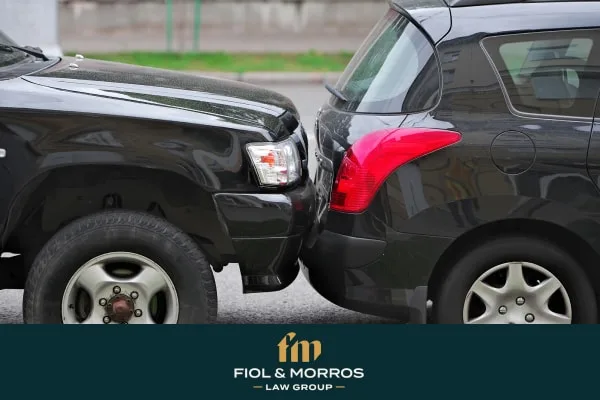
Tampa has heavy traffic, fast-moving highways, and busy intersections where distracted driving is common. These conditions make rear-end collision cases very frequent. Even low speeds can cause serious injuries, especially whiplash injury or back injuries.
Sudden Traffic Slowdowns on I-275, I-4, and Veterans Expressway
Tampa highways often stop or slow without warning, especially during rush hour or road construction. When traffic changes speed suddenly, a trailing driver may not have enough time to react. These quick shifts can lead to a rear-end collision, even if the injured driver was moving safely. Sudden slowdowns are one of the most common causes of rear-end car accidents in the city.
Distracted Driving at Busy Intersections
Many drivers look at phones, GPS screens, or other distractions instead of watching the road. At busy intersections, even a short moment of distracted driving can cause a rear-end crash. A negligent driver may fail to see the leading car stop for a light or a pedestrian, causing an impact that leads to serious injuries and a personal injury claim.
Tailgating or Following Too Closely
Under Florida Statutes § 316.0895, drivers must not follow another vehicle more closely than is reasonable and safe. When a trailing driver tailgates, they do not leave enough distance to stop when the leading driver slows or stops.
This unsafe behavior leads to many rear-end accidents, and the rear driver is often found responsible for not maintaining sufficient distance.
Heavy Tourist Traffic and Unfamiliar Drivers
Tampa is full of visitors who may not know the roads, exits, or traffic patterns. Unfamiliar drivers often brake suddenly, change lanes without warning, or hesitate at signals. These actions increase the likelihood of rear-end collisions, especially in areas with constant tourist traffic and stop-and-go traffic.
Weather-Related Visibility and Braking Problems
Rain, fog, and wet roads are common in Florida and often make it harder for drivers to see brake lights or stop in time. Poor weather reduces visibility and increases the distance needed to slow down. When a negligent driver fails to adjust their speed to conditions, a rear-end crash can occur easily, even at moderate speeds.
Types of Rear-End Collisions
Rear-end accident cases come in many forms, and each can cause different injuries. Even low speeds can lead to serious injuries such as herniated discs or neck injuries.
Here's how these crashes may happen in Tampa:
Low-Speed Impacts in Traffic Jams
Low-speed impacts often occur in heavy traffic, where cars move and stop repeatedly. Even though speeds are low, the injured driver can still suffer neck injuries, back injuries, or a whiplash injury. These rear-end collision cases may seem minor, but medical bills and pain can last for weeks or months. Many accident victims file a personal injury claim to recover compensation.
High-Speed Rear-End Crashes on Highways
On fast roads like I-275 or I-4, a rear-end accident can cause very serious injuries because the impact force is much stronger. A trailing driver who does not slow down in time can hit the leading car hard, causing traumatic brain injuries, spinal cord harm, or other severe injuries. These crashes often lead to major property damage and large insurance claims.
Multi-Car Chain-Reaction Collisions
A chain-reaction crash occurs when one car hits another, pushing several vehicles forward. These rear-end car accidents are common in bad weather or at sudden slowdowns.
Because many drivers and vehicles are involved, proving fault can be difficult, and crucial evidence is needed to identify the negligent driver who caused the crash. Accident victims often face complex medical expenses and lost wages.
Pedestrian, Bicycle, or Scooter Rear-Impact Cases
Rear-end impacts involve more than just cars. A motor vehicle can hit a pedestrian, cyclist, or scooter rider from behind, causing visible injuries, broken bones, or even life-threatening harm. These cases often bring serious injuries because the person has little protection.
Victims may seek medical care right away and pursue a personal injury claim for medical treatment, lost income, and ongoing pain.
Commercial Vehicle and Rideshare Rear-End Accidents
When a rideshare driver or commercial vehicle rear-ends another car, the damage can be worse because these vehicles may be larger and heavier. A rear driver in a truck or van may cause major injuries to the leading driver, even at low speeds.
These rear-end accident cases often involve multiple insurance companies, and proving fault may require strong evidence and an experienced Tampa rear-end collision lawyer.
Common Injuries Caused by Rear-End Crashes

- Whiplash and Neck Injuries: Soft tissue injuries caused by sudden movement of the head and neck.
- Back Injuries or Herniated Discs: Pressure on the spine can lead to long-term pain and limited movement.
- Traumatic Brain Injuries: Even without hitting your head, sudden force can cause brain injury.
- Spinal Cord Injuries: Damage that may cause weakness, numbness, or long-term disability.
- Visible Injuries: Cuts, bruises, or swelling that appear right away or hours later.
What to Do After a Rear-End Collision in Tampa
- Seek Medical Attention: Even if you feel fine, see a doctor, as some injuries may appear later.
- Document the Scene: Take photos of the vehicle damage, driver's brake lights, hazard lights, and visible injuries.
- Report the Crash: Call the police to record crucial evidence and document the entire case.
- Avoid Giving a Recorded Statement: Insurance adjusters may use your words to reduce your claim.
- Follow Up With Medical Care: Attend follow-up appointments so your medical treatment is fully documented.
Compensation Available After a Rear-End Accident

Rear-end collision victims often face medical bills, lost wages, and property damage. Florida law allows injured drivers to seek fair compensation when the other driver’s negligence caused the crash.
The sections below show the types of damages you may claim.
Economic Damages
- Medical expenses
- Lost wages and lost income
- Property damage to your vehicle
- Out-of-pocket costs for medical care or transportation
Non-Economic Damages
- Pain and suffering
- Emotional distress
- Difficulty sleeping or daily discomfort
- Impact on quality of life
Florida’s Statute of Limitations for Rear-End Collision Cases
Under Florida Statutes § 95.11, most personal injury claims must be filed within two years of the crash. Waiting too long may bar your right to compensation. Rear-ended victims should act quickly to protect their legal options.
Frequently Asked Questions (FAQs)
What if I were rear-ended at low speeds?
Low speeds can still cause serious injuries, especially neck and back injuries, so you may still have a valid personal injury claim.
Will insurance pay for all my medical bills?
Not always. PIP helps, but you may still pursue compensation from the negligent driver.
What if the other driver blames me?
A legal team can gather crucial evidence to show what really happened.
What if my rear-end crash happened during another car accident nearby?
You can still bring a claim. Even if there was another car accident close by, your lawyer can focus on establishing fault for your own impact and show how your injuries happened.
Can I get help if I have neck pain or other injuries after a tailing driver hits me?
Yes. Neck pain and other injuries are common when a tailing driver hits the leading car as the driver stops. A Tampa rear-end collision lawyer can help you seek maximum damages for your medical care and recovery needs.
Contact Our Tampa Rear-End Collision Lawyer for a Free Consultation

If you were rear-ended and are now dealing with pain, medical bills, or stress, our law firm is ready to help you take the next step with confidence. At Fiol and Morros Law Group, you can speak with a personal injury lawyer who will answer your questions in clear and simple words, guide you through your legal options, and work to protect your rights from the start.
Our experienced Tampa rear-end collision lawyer focuses on helping injured drivers obtain fair compensation for medical care, lost income, and other losses resulting from the crash. Contact us for a free consultation today, and let us help you move forward with strength and support.