
Negligent Security in Florida: When a Property Owner Is Liable for a Crime
Short answer: A negligent security claim holds a property owner or manager responsible when a foreseeable crime injures someone because reasonable security was missing, such as broken lights, dead cameras, unlocked gates or no guards where earlier crimes made the danger obvious. Florida still allows these claims, but since 2023 the deadline is generally two years, the criminal’s share of fault is weighed by the jury, and apartment owners who meet a statutory security checklist get a presumption against liability under § 768.0706.
Key takeaways
- The property owner is not liable for every crime; the crime must have been reasonably foreseeable and preventable with reasonable security.
- Prior similar crimes on or near the property are often the most important evidence of foreseeability.
- Apartment owners that substantially meet the security measures in § 768.0706 are presumed not liable, so their compliance records matter.
- Under § 768.0701 the jury must consider the fault of the criminal attacker as well as the owner.
- Most negligent security claims must be filed within two years under § 95.11.
What is negligent security?
Negligent security is a type of premises liability. Florida property owners owe people who are lawfully on their property a duty to keep it reasonably safe. When the owner knows, or should know, that criminal activity is a real risk, that duty can include reasonable security measures. If the owner ignores the risk and someone is assaulted, robbed, shot or sexually attacked as a result, the injured person may be able to recover damages from the owner or the company that manages the property, in addition to any claim against the attacker.
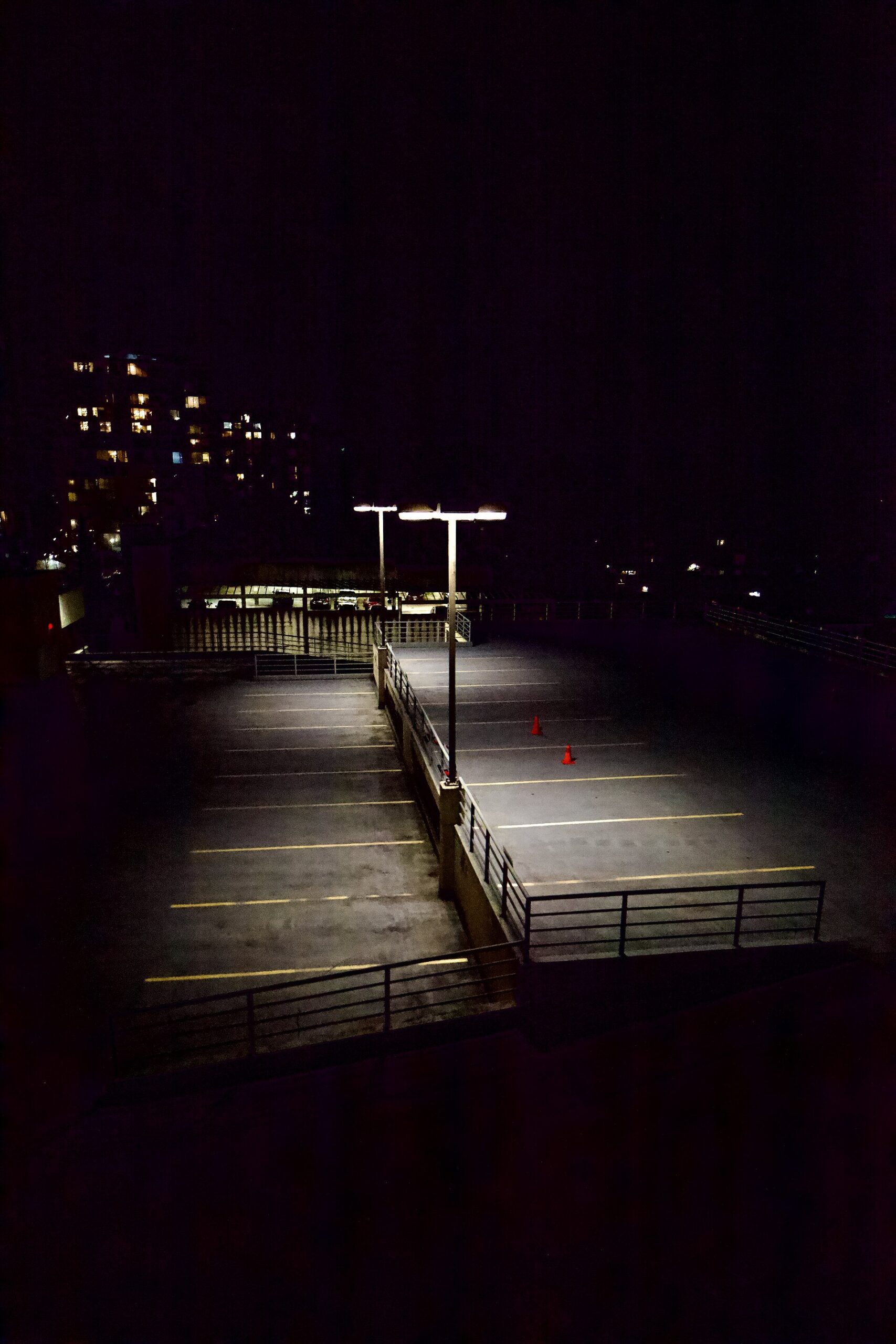
These cases come up most often at apartment complexes, hotels and motels, bars and nightclubs, convenience stores and gas stations, shopping centers, parking garages and lots, and event venues.
What you generally have to prove
- Duty. You were lawfully on the property, for example as a tenant, guest, customer or employee of a business there.
- Foreseeability. The owner knew or should have known that a crime like this was likely. Evidence often includes police calls, prior incidents, complaints, and the crime rate in the immediate area.
- Breach. Reasonable measures were missing or broken: lighting, working locks and gates, cameras, guards, controlled access, or simple repairs that had been requested.
- Causation. The missing security made the attack possible or more likely, for example an attacker entered through a gate that had been broken for weeks.
- Damages. Medical bills, lost income, pain and suffering, emotional trauma and, in fatal cases, wrongful death damages.
What changed in 2023
Florida’s 2023 tort reform law (HB 837) made three changes that matter in these cases. First, § 768.0706 created a presumption against liability for owners or operators of multifamily residential property, such as apartment complexes, that substantially implement a list of security measures. Second, § 768.0701 requires the jury to consider the fault of everyone who contributed to the injury, including the person who committed the crime, when it divides responsibility. Third, the general negligence deadline in § 95.11 was shortened from four years to two years for claims arising after March 24, 2023, and Florida moved to modified comparative fault under § 768.81, which can bar recovery if the injured person is found more than 50% at fault.
The apartment security checklist in § 768.0706
To get the presumption, an apartment owner must substantially implement measures that include:
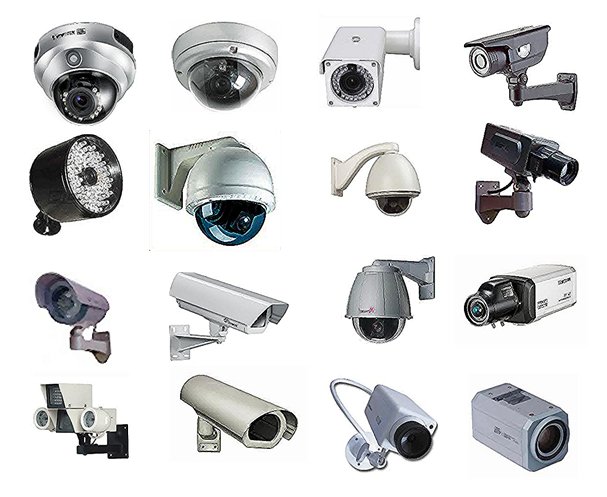
- A security camera system at points of entry and exit that records and keeps video retrievable for at least 30 days.
- A lighted parking lot meeting a minimum illumination level from dusk until dawn.
- Lighting in walkways, laundry rooms, common areas and porches.
- At least a one-inch deadbolt on each unit’s exterior door.
- Locking devices on windows, sliding glass doors and exterior doors, plus door viewers.
- A locked gate with key or fob access around any pool area.
- A crime prevention through environmental design (CPTED) assessment that is no more than three years old.
- Proper crime deterrence and safety training for current employees.
The presumption is not automatic immunity. Whether the owner really met each requirement at the time of the crime is a factual question, and maintenance logs, work orders, lighting records and video retention settings can show whether the checklist existed only on paper.
Evidence to protect right away
Security video is often recorded over within weeks, so act quickly. Helpful evidence includes:
- The police report and case number.
- Photos of broken lights, gates, locks or doors, taken as soon as possible.
- Names of witnesses, neighbors and security staff.
- Prior complaints, emails or maintenance requests about the same problem.
- Medical records that document your injuries from the first visit.
A lawyer can send a preservation letter asking the owner to keep video, incident reports and security contracts. For more on tenant injuries in general, see our guide to injuries at Florida apartment complexes.
Who can be held responsible?
Depending on the facts, responsibility can fall on the property owner, a management company, a security contractor that failed to patrol or monitor, or a business tenant that controls the area where the attack happened. The attacker is also liable, but criminals rarely have assets or insurance, which is why the property owner’s liability insurance is usually where compensation comes from. Because the jury now weighs the attacker’s fault, the evidence must clearly show how the owner’s security failure contributed to what happened.
What a claim can recover
Victims of violent crime often face surgery, long recoveries, anxiety, sleep problems and post-traumatic stress. A negligent security claim can seek past and future medical expenses, therapy, lost wages and earning capacity, and pain and suffering. Each case is different, and no result can be promised. If you were partly at fault, for example by propping a door open, your recovery can be reduced; read more about how comparative negligence works in Florida.
Frequently asked questions
Can I sue my apartment complex if I was attacked?
Possibly. You would generally need to show that the crime was foreseeable and that missing or broken security contributed to it. Since 2023, apartment owners that substantially meet the security measures in § 768.0706 are presumed not liable, so the details of their security matter.
How long do I have to file a negligent security claim in Florida?
For most claims arising after March 24, 2023, Florida Statutes § 95.11 sets a two-year deadline. Wrongful death and claims against government entities follow different rules, so check early.
Does the attacker’s fault reduce what the property owner pays?
It can. Under § 768.0701 the jury considers the fault of the criminal actor along with the owner’s fault when it divides responsibility.
Do I need a police report?
It is not a legal requirement for a civil claim, but a police report is strong evidence that the crime happened and when, and it helps identify witnesses and video.
Talk with Fiol & Morros
If you were hurt in an assault, robbery or shooting at a Tampa Bay property, we can investigate the security failures and act before video is erased. You can also learn more on our Tampa premises liability lawyer page. Call Fiol & Morros Law Group at (813) 223-6773 or use the contact page for a free consultation. The office is at 1515 N Marion St, Tampa, FL 33602.
Sources
- Florida Statutes § 768.0706 (multifamily residential property security)
- Florida Statutes § 768.0701 (fault of criminal actors)
- Florida Statutes § 768.81 (comparative fault)
- Florida Statutes § 95.11 (limitations periods)
This article is general educational information, not legal advice. Insurance policies and case facts differ, and no outcome is guaranteed. Reading it does not create an attorney-client relationship.







 English
 Español

