
E-Bike and Electric Scooter Accidents in Florida: Your Rights After a Crash
Short answer: In Florida, e-bike riders have the same rights and duties as bicycle riders, and motorized scooter riders are treated much the same way. If a driver hits you, you can bring a claim against that driver, and your own household auto policy’s PIP may help with medical bills, although insurers sometimes dispute PIP for riders of motorized devices. Because e-bikes and scooters do not need insurance, getting hurt by another rider, or by a defective battery or brake, raises different questions about who pays.
Key takeaways
- Florida law treats e-bike riders like bicycle riders under § 316.20655; no driver license, registration or insurance is required.
- Motorized scooters and micromobility devices are covered by § 316.2128 and local rules.
- If a car hits you, your own PIP may apply even though you were not in a car, if you or a relative in your household has a Florida auto policy.
- Defective batteries, brakes or frames can support a product liability claim.
- Comparative fault applies, so being partly at fault can reduce your recovery.
How Florida law classifies e-bikes and scooters
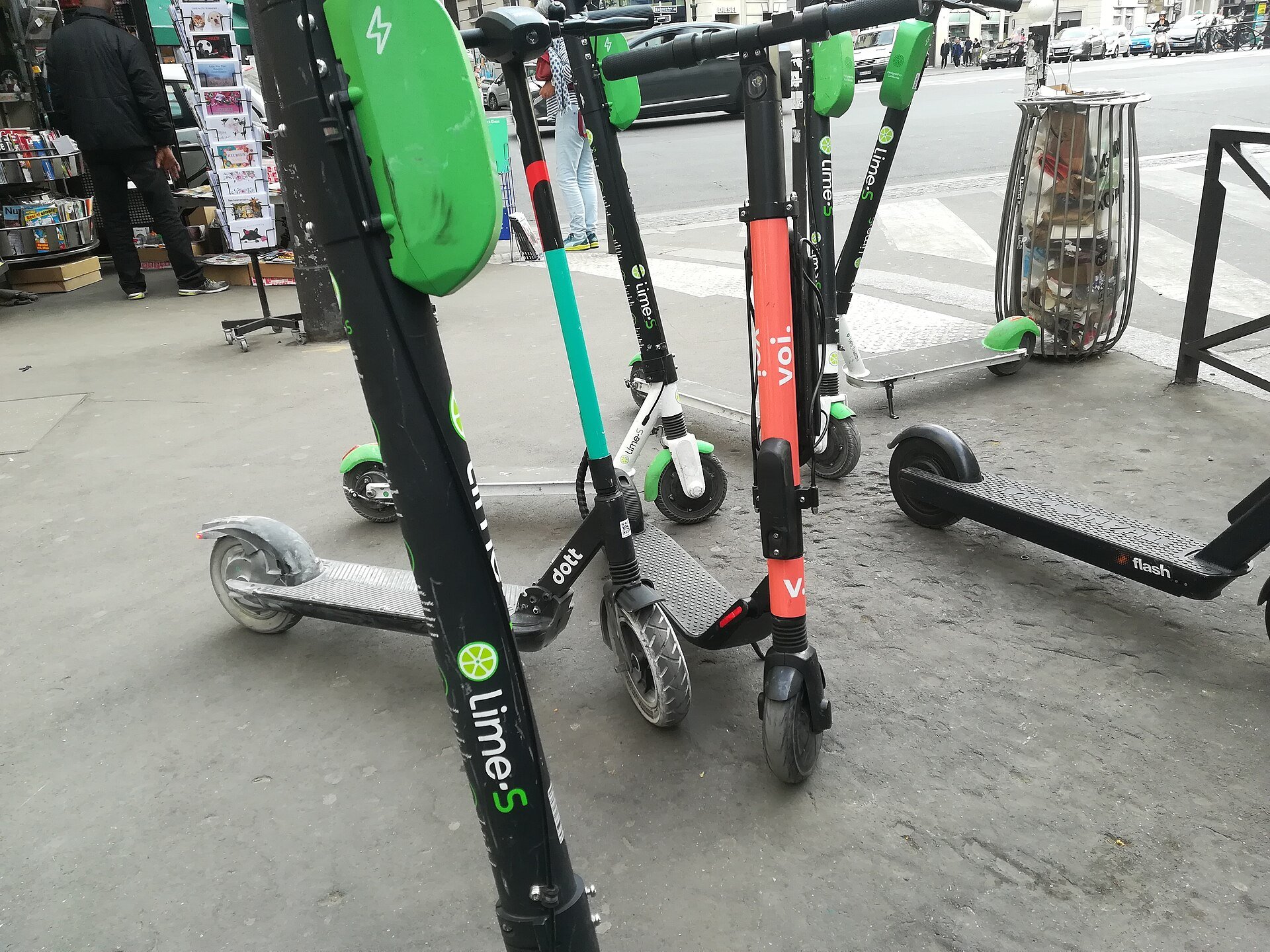
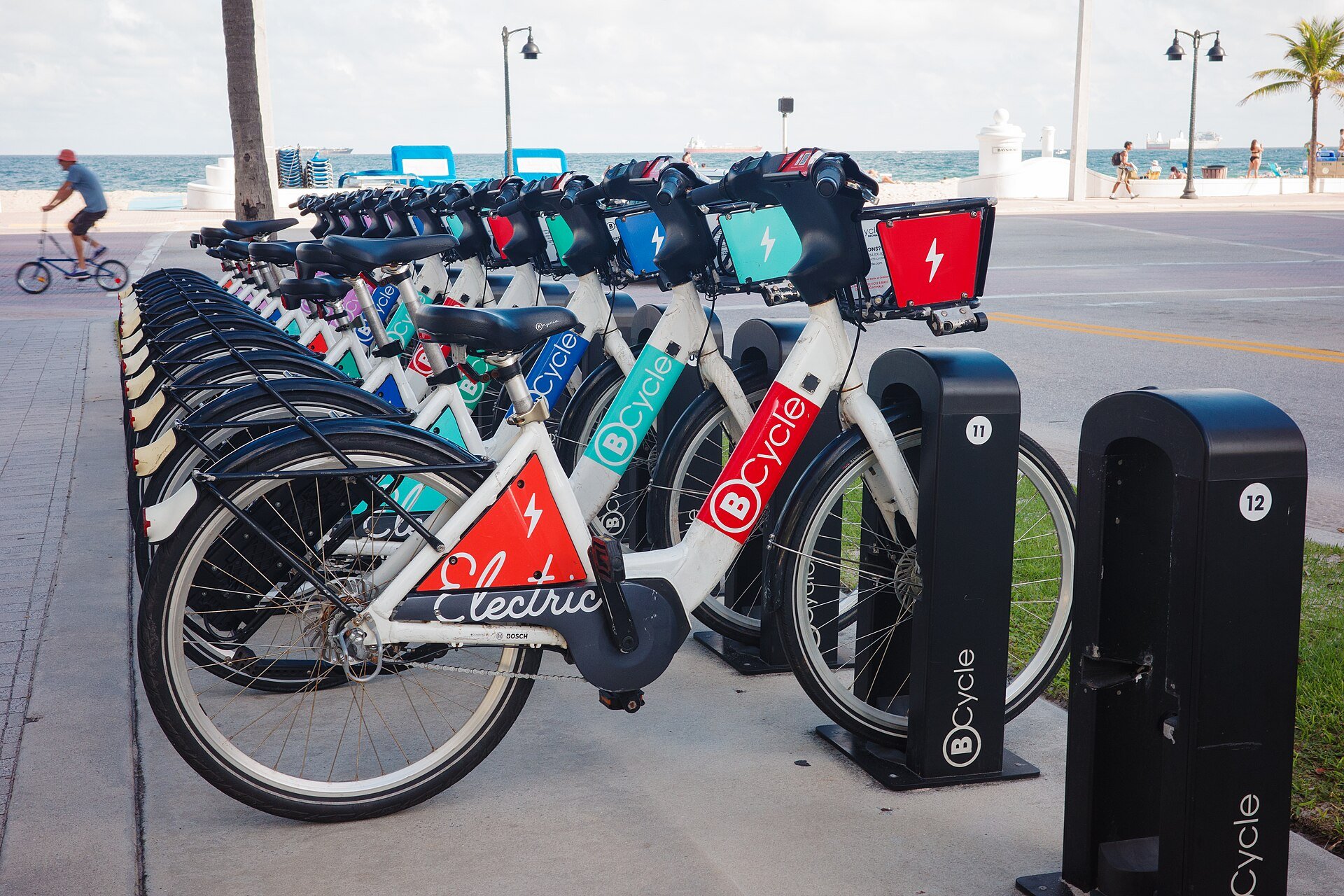
Florida Statutes § 316.003 defines an electric bicycle as a bicycle with fully operable pedals, a seat and an electric motor of less than 750 watts, in one of three classes based on how the motor assists and its top assisted speed. Under § 316.20655, an e-bike rider has all the rights and duties of a bicycle rider, and no driver license, registration or insurance is required. Motorized scooters and other micromobility devices, including many rental scooters, are covered by § 316.2128, which also gives riders the rights and duties of bicycle riders, while letting cities and counties regulate where they may be used.
That means drivers must give e-bike and scooter riders the same care they owe cyclists, including at least three feet of clearance when passing, and riders must follow the traffic laws that apply to bicycles.
Common causes of e-bike and scooter crashes
- A driver turning right across a bike lane, or turning left into an oncoming rider.
- A driver opening a car door into the rider’s path.
- Drivers pulling out of driveways and parking lots without looking for faster-moving riders.
- Potholes, broken pavement or debris that a scooter’s small wheels cannot handle.
- Brake failure, battery fires or frames and stems that break.
- Collisions with pedestrians or other riders on crowded sidewalks and trails.
Because e-bikes are faster than ordinary bicycles, drivers often misjudge how quickly a rider is approaching. Riders also sit low and are easy to miss in mirrors.
Who pays your medical bills?
Florida’s PIP law may help even when you were not in a car. Under § 627.736, PIP covers a named insured and relatives living in the household who are struck by a motor vehicle while “not an occupant of a self-propelled vehicle.” A regular bicycle rider fits that rule, but an insurer may argue that a motorized e-bike or scooter is a self-propelled vehicle, so PIP for these riders is not guaranteed. If PIP applies, your own household auto policy may pay a share of your medical bills and lost wages, regardless of fault. If you do not own a car and no one in your household has a Florida auto policy, the PIP of the vehicle that struck you may apply in some situations. For more detail, read about PIP vs health insurance in Florida.
PIP has limits, so serious injuries often require a claim against the at-fault driver’s bodily injury liability insurance, and possibly your uninsured motorist coverage. To recover pain and suffering from a driver, Florida generally requires an injury that meets the threshold in § 627.737, such as a permanent injury.
When another rider or a product is to blame
If you were hurt by another e-bike or scooter rider, there is no required insurance for that rider. A claim may still be possible against the rider personally, and some homeowner’s or renter’s policies cover liability for e-bike use while others exclude motorized devices. If a rental scooter or bike malfunctioned, the rental company’s maintenance records and the device’s trip data may become important evidence. Read the rental app’s terms carefully, since they may include notice deadlines or arbitration clauses.
When a battery catches fire, a brake fails or a part breaks under normal use, the manufacturer, importer or seller may be liable under product liability law. Keep the device and all parts, chargers and receipts; do not throw anything away or send it for repair before it can be inspected.
Helmets and comparative fault
Florida requires riders under 16 to wear a helmet on a bicycle, and that rule is often applied to e-bikes. Adults are not required to wear one, but insurers may argue that not wearing a helmet made a head injury worse. Florida uses modified comparative fault under § 768.81, so a rider who was partly at fault can still recover a reduced amount unless found more than 50% responsible. Learn more about how comparative negligence works in Florida.
What to do after an e-bike or scooter crash
- Get medical care right away; the PIP law requires initial treatment within 14 days for PIP benefits.
- Call police and get the crash report number.
- Photograph the scene, the vehicle, your device and your injuries.
- Collect witness names and look for nearby cameras.
- Keep the device as it is after the crash.
- Notify your own auto insurer if you have one, and avoid recorded statements to the other side’s insurer until you get advice.
Most claims must be filed within two years under § 95.11.
Frequently asked questions
Do you need insurance for an e-bike in Florida?
No. Under § 316.20655, an e-bike rider does not need a driver license, registration or insurance, and has the same rights and duties as a bicycle rider.
Does PIP cover me if a car hits my e-bike or scooter?
It may. Florida PIP covers a named insured and household relatives struck by a motor vehicle while not an occupant of a self-propelled vehicle, but insurers may argue that a motorized e-bike or scooter counts as one, so coverage depends on the device and the policy.
Can I sue if my e-bike battery caught fire?
You may have a product liability claim against the manufacturer, importer or seller. Keep the device, battery, charger and receipts so they can be inspected.
Are e-scooters allowed on sidewalks in Florida?
State law lets local governments decide where motorized scooters and micromobility devices may be used, so the rules vary by city and county.
Talk with Fiol & Morros
If you were hurt on an e-bike or scooter in Tampa or nearby, we can help identify every source of coverage and preserve the evidence. Learn more on our Tampa bicycle accident lawyer y Tampa pedestrian accident lawyer pages. Call Fiol & Morros Law Group at (813) 223-6773 or use the página de contacto for a free consultation. The office is at 1515 N Marion St, Tampa, FL 33602.
Sources
- Florida Statutes § 316.003 (definitions, including electric bicycles)
- Florida Statutes § 316.20655 (electric bicycles)
- Florida Statutes § 316.2128 (micromobility devices and motorized scooters)
- Florida Statutes § 316.2065 (bicycle regulations)
- Florida Statutes § 627.736 (PIP benefits)
- Florida Statutes § 627.737 (tort exemption and injury threshold)
- Florida Statutes § 768.81 (comparative fault)
- Florida Statutes § 95.11 (limitations periods)
This article is general educational information, not legal advice. Insurance policies and case facts differ, and no outcome is guaranteed. Reading it does not create an attorney-client relationship.







 Español
 English

