




1515 N Marion St
Tampa, Fl 33602

Los accidentes náuticos pueden cambiar vidas en segundos, dejando a las víctimas con lesiones dolorosas, elevadas facturas médicas e incluso secuelas emocionales. Las vías fluviales de Florida, incluida la bahía de Tampa, están repletas de embarcaciones de recreo, motos acuáticas y motos de agua, lo que hace que los accidentes sean más comunes de lo que muchos creen. Las víctimas suelen enfrentarse a daños materiales, pérdida de ingresos y tratamiento médico continuo tras un accidente grave.
Abogados Fiol & Morros especializados en lesiones personales y accidentes le ayuda después de un accidente náutico guiándolo a través del proceso legal y asegurándose de que sus derechos estén protegidos. Leyes de navegación de Florida. Con la ayuda de un abogado con experiencia en accidentes de barco en Tampa, las víctimas pueden presentar una demanda por lesiones personales para cubrir los gastos médicos, el dolor y el sufrimiento, y otras pérdidas.
Nuestro equipo sabe cómo tratar con las compañías de seguros y los navegantes negligentes, y luchamos para obtener la máxima indemnización para las víctimas de lesiones y sus familias.
¿Por qué necesita un abogado especializado en accidentes náuticos en Tampa?
Los accidentes náuticos en Tampa suelen causar graves daños debido al tamaño y la velocidad de las embarcaciones de recreo y las motos acuáticas. Las víctimas pueden sufrir lesiones cerebrales, lesiones en la médula espinal o ahogamiento, y el proceso legal para obtener una indemnización puede ser complejo según la legislación marítima.
Un abogado especializado en accidentes náuticos en Tampa se asegura de que las víctimas de accidentes reciban un trato justo y un sólido apoyo legal.
Los peligros de los accidentes náuticos en aguas de Florida
Florida registra más accidentes náuticos que cualquier otro estado, y la bahía de Tampa es una de las vías fluviales más transitadas. Las colisiones, las inundaciones y las fallas en los equipos suelen provocar lesiones catastróficas, como fracturas o traumatismos craneoencefálicos. Navegar por placer puede ser divertido, pero también conlleva riesgos reales cuando los navegantes negligentes ignoran las normas de seguridad.
Cómo un abogado protege sus derechos después de un accidente
Un abogado de Tampa especializado en accidentes náuticos investiga el choque y revisa el caso. registros médicos, y se comunica con expertos en reconstrucción de accidentes para demostrar la responsabilidad. Los abogados también negocian con las compañías de seguros para obtener mejores ofertas de indemnización. Con apoyo legal, las víctimas pueden concentrarse en su recuperación mientras su abogado lucha por una compensación completa conforme a la ley de responsabilidad civil de Florida.
Exigir responsabilidades a las partes negligentes
Los navegantes negligentes y las empresas de alquiler deben rendir cuentas por los daños causados por sus acciones imprudentes. Un abogado especializado en accidentes náuticos puede presentar una demanda civil contra los responsables para obtener una indemnización por daños y perjuicios, incluyendo gastos médicos y salarios perdidos. En casos graves, también podrían aplicarse daños punitivos según la normativa náutica de Florida.
Cuándo se aplica el derecho marítimo federal
La jurisdicción marítima federal se aplica cuando un agravio ocurre en aguas navegables de los Estados Unidos y guarda una relación sustancial con la actividad marítima tradicional. La bahía de Tampa, el golfo de México y el río Hillsborough son aguas navegables según la ley federal. Los accidentes que involucran embarcaciones comerciales, alquiler de barcos o cruceros en estas aguas tienen mayor probabilidad de estar bajo la jurisdicción marítima federal.
Según el derecho marítimo federal, se aplican normas diferentes a marineros, pasajeros y estibadores. Los marineros lesionados (miembros de la tripulación) pueden presentar una demanda en virtud de la Ley Jones, que ofrece opciones de indemnización más favorables que la legislación general sobre negligencia. Los pasajeros lesionados en embarcaciones de alquiler o cruceros pueden presentar demandas en virtud del derecho marítimo general sobre negligencia. Es importante destacar que el derecho marítimo federal no contempla daños punitivos en la mayoría de los casos, lo que representa una limitación significativa en comparación con la legislación sobre responsabilidad civil extracontractual de Florida.
Cuándo se aplica la ley estatal de Florida: la excepción para la "navegación recreativa".
En accidentes náuticos puramente recreativos —como la colisión de dos embarcaciones de recreo en la bahía de Tampa, las lesiones sufridas por un nadador a causa de una moto acuática o una caída en una embarcación privada—, los tribunales de Florida suelen aplicar la legislación estatal en materia de responsabilidad civil extracontractual en lugar de la legislación federal de derecho marítimo, en virtud de la doctrina de la "jurisdicción marítima local". Esta doctrina permite que la ley estatal rija cuando el accidente involucra una actividad recreativa local sin una conexión significativa con el comercio interestatal.
Aplicar la ley de responsabilidad civil del estado de Florida suele ser más favorable para los demandantes lesionados. La ley de Florida permite la indemnización por dolor y sufrimiento, angustia emocional y daños punitivos en casos de conducta grave. El plazo de prescripción de Florida (dos años) también se aplica en los casos regidos por la ley estatal. Determinar qué marco legal rige su accidente específico es un análisis preliminar que debe realizar un abogado con experiencia. Abogado de accidentes náuticos en Tampa debe proceder de inmediato.
Por qué esta distinción es importante para su reclamación.
La aplicación de la ley estatal de Florida o la ley marítima federal puede tener un impacto significativo en su caso. La ley aplicable puede afectar la indemnización disponible, la determinación de la responsabilidad, los requisitos para presentar la demanda y el lugar donde se llevará a cabo el juicio. Un abogado con experiencia en accidentes náuticos en Tampa puede evaluar qué marco legal ofrece la mejor vía para obtener una compensación.
¿Se aplica la ley marítima federal o la ley estatal de Florida a su accidente náutico?
La respuesta depende de dónde y cómo ocurrió el accidente.
En muchos accidentes de navegación recreativa en la bahía de Tampa, puede aplicarse la ley estatal de Florida. Sin embargo, los accidentes que involucren embarcaciones comerciales, barcos de alquiler, actividades relacionadas con cruceros o vías navegables pueden estar sujetos a la ley marítima federal.
La ley aplicable puede tener impacto en:
- Los daños disponibles
- Plazos de presentación
- Normas de responsabilidad
- Jurisdicción judicial
- Opciones de compensación
Dado que estos casos pueden implicar cuestiones legales tanto estatales como federales, es importante que un abogado evalúe su reclamación lo antes posible.
Causas comunes de accidentes náuticos en Tampa
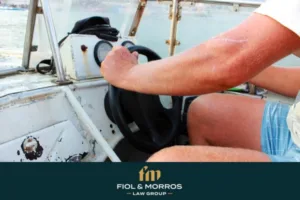
Los accidentes náuticos ocurren por diversas razones, pero la mayoría se atribuyen a errores humanos o condiciones inseguras. Los accidentes en embarcaciones recreativas y motos acuáticas suelen estar relacionados con la falta de atención del operador, la ausencia de equipo de seguridad o el exceso de velocidad.
Cada caso es único, pero establecer la causa es crucial para que una reclamación por lesiones personales sea exitosa.
Inexperiencia del operador o conducción temeraria
Muchos accidentes náuticos son causados por operadores que carecen de la capacitación adecuada o no han completado los cursos de seguridad náutica. Los conductores inexpertos pueden ignorar las normas de navegación, lo que provoca colisiones entre embarcaciones o daños por la estela. La conducción temeraria, como realizar giros bruscos o ignorar las señales visuales de socorro, aumenta el riesgo de colisiones entre embarcaciones.
Navegación bajo los efectos del alcohol (BUI, por sus siglas en inglés)
El alcohol sigue siendo una de las principales causas de accidentes náuticos mortales en Florida. Los navegantes que consumen alcohol o drogas pueden experimentar tiempos de reacción más lentos, juicio alterado y menor percepción de las embarcaciones cercanas. Cuando un navegante bajo los efectos del alcohol o las drogas provoca un accidente, las víctimas pueden tener derecho a reclamar una indemnización por gastos médicos, pérdida de ingresos, dolor y sufrimiento, y otros daños.
Fallos en los equipos y defectos mecánicos
No todos los accidentes náuticos se deben a errores del operador. Sistemas de dirección defectuosos, fallas en el motor, equipos de navegación averiados y dispositivos de seguridad defectuosos pueden contribuir a lesiones graves. En algunos casos, los fabricantes, distribuidores, empresas de alquiler o proveedores de mantenimiento pueden ser responsables del accidente.
Exceso de velocidad e incumplimiento de las normas de seguridad.
Navegar a velocidades inseguras reduce el tiempo disponible para reaccionar ante cambios en las condiciones del agua, la presencia de otras embarcaciones, bañistas u obstáculos. Los accidentes náuticos relacionados con el exceso de velocidad ocurren con frecuencia en zonas concurridas de la bahía de Tampa, especialmente durante los fines de semana, días festivos y temporada alta de navegación.
Condiciones meteorológicas e hídricas peligrosas
Las tormentas repentinas, la visibilidad reducida, las fuertes corrientes y las aguas turbulentas pueden aumentar la probabilidad de accidentes náuticos. Si bien las condiciones meteorológicas pueden contribuir a un accidente, los operadores de embarcaciones tienen la obligación de monitorear los pronósticos, navegar de forma segura y tomar las precauciones razonables para proteger a los pasajeros.
¿Quién puede ser considerado responsable en un accidente náutico en Tampa?
En Florida, la responsabilidad por accidentes náuticos no siempre se limita a la persona al timón. Varias partes pueden ser responsables de un accidente, y es fundamental identificar a todas las partes potencialmente responsables para maximizar su indemnización. Las normas de culpa comparativa de Florida permiten que a cada demandado se le asigne una parte de la responsabilidad proporcional a su contribución al accidente.
El operador de la embarcación
La parte más claramente responsable es el operador de la embarcación, es decir, la persona que la manejaba al momento del accidente. La negligencia del operador es la principal causa de accidentes náuticos en Florida y abarca una amplia gama de conductas: operar bajo la influencia del alcohol o las drogas, exceder el límite de velocidad en una zona de velocidad limitada, no mantener una vigilancia adecuada, operar sin el equipo de seguridad requerido o infringir las normas de navegación de la vía fluvial. Si el operador fue negligente, es directamente responsable de los daños causados.
El propietario del barco, incluso si no lo estaba conduciendo.
Según la doctrina de "instrumento peligroso" de Florida, los propietarios de embarcaciones pueden ser considerados responsables indirectamente por las lesiones causadas por cualquier persona a la que permitan operar su embarcación. Esta doctrina es muy ventajosa para las víctimas de lesiones, ya que permite presentar una reclamación contra la póliza de seguro del propietario incluso cuando el operador no está asegurado o no cuenta con los recursos suficientes para cubrir una indemnización. Los tribunales de Florida han aplicado repetidamente la doctrina de instrumento peligroso a las embarcaciones.
Si el propietario prestó su embarcación a un conductor incompetente o ebrio —una teoría denominada entrega negligente— su responsabilidad es aún mayor.
Empresas de alquiler de barcos y embarcaciones
Las empresas de alquiler y los puertos deportivos que alquilan barcos, motos acuáticas y otras embarcaciones personales tienen responsabilidades de cuidado independientes. Deben inspeccionar y mantener sus equipos en condiciones de navegación adecuadas, asegurarse de que los arrendatarios cumplan con los requisitos mínimos de edad y licencia establecidos por la ley de Florida, proporcionar instrucciones de seguridad adecuadas y abstenerse de alquilar a clientes visiblemente ebrios.
Una empresa de alquiler que ignore cualquiera de estas obligaciones y cuya negligencia contribuya a un accidente puede ser considerada directamente responsable de las lesiones resultantes, además de cualquier responsabilidad indirecta por la conducta del arrendatario.
Fabricantes de barcos y equipos
Cuando un accidente náutico se debe a un producto defectuoso (un mecanismo de dirección averiado, un cordón de seguridad del motor que no funciona correctamente, un sistema de combustible que explota o un chaleco salvavidas que no cumple con su función), el fabricante, distribuidor o minorista de dicho producto puede ser responsable conforme a la ley de responsabilidad por productos defectuosos de Florida. Estas reclamaciones son distintas de las reclamaciones por negligencia y pueden tramitarse bajo las teorías de responsabilidad objetiva, incumplimiento de garantía o diseño y fabricación negligentes.
Las reclamaciones por responsabilidad del producto suelen implicar una investigación exhaustiva, el testimonio de expertos en ingeniería y el acceso a los registros de diseño y pruebas del fabricante.
Entidades gubernamentales: peligros no señalizados y fallos en la navegación
Cuando un accidente náutico es causado por un peligro submarino no señalizado, una ayuda a la navegación con mantenimiento inadecuado o una falla en una esclusa o vía fluvial operada por el gobierno, una entidad gubernamental (federal, estatal o local) puede ser parcialmente responsable. Las reclamaciones contra entidades gubernamentales requieren el cumplimiento de requisitos de notificación específicos y se rigen por la Ley Federal de Reclamaciones por Agravios (para agencias federales) o por la ley de renuncia a la inmunidad soberana de Florida (§768.28) para entidades gubernamentales estatales y locales.
Estos requisitos de procedimiento son estrictos; su incumplimiento puede invalidar su reclamación por completo.
Empleadores de operadores de embarcaciones comerciales
Si el operador negligente de la embarcación estaba trabajando en el momento del accidente —como capitán de un barco de alquiler, operador de un taxi acuático o piloto de un buque pesquero comercial—, su empleador podría ser responsable indirectamente según la doctrina de la responsabilidad del empleador. Además, si el empleador fue negligente de forma independiente —por no capacitar adecuadamente al operador, por enviar a sabiendas a un capitán incapacitado o por no mantener la embarcación en condiciones de navegar—, también enfrenta responsabilidad directa.
Lugares comunes de accidentes náuticos en la bahía de Tampa
Fiol & Morros representa a las víctimas de accidentes náuticos en todo el mundo:
- Bahía de Tampa
- Río Hillsborough
- Islas Davis
- Isla del puerto
- Apollo Beach
- San Petersburgo
- Aguas claras
- vías navegables del Golfo de México
- Calzada Courtney Campbell
- Isla Weedon
En qué se diferencian los casos de accidentes náuticos de los casos de accidentes automovilísticos.
Las reclamaciones por accidentes náuticos suelen implicar cuestiones legales únicas, entre las que se incluyen:
- Derecho marítimo federal
- Jurisdicción marítima
- investigaciones de la Guardia Costera
- Informes de accidentes de la FWC
- Responsabilidad de la empresa de alquiler de embarcaciones
- Reclamaciones por defectos del producto
- Múltiples partes responsables
Estas complejidades a menudo requieren un análisis legal que va más allá de una reclamación típica por accidente de tráfico.
¿Cuánto vale mi caso de accidente náutico en Tampa?
Cada caso de accidente náutico es diferente.
El valor de una reclamación a menudo depende de:
- Gastos médicos
- Salarios perdidos
- Tratamiento médico futuro
- Lesiones permanentes
- Dolor y sufrimiento
- Cobertura de seguro disponible
Un abogado con experiencia puede evaluar el valor potencial de una reclamación durante una consulta gratuita.
Qué hacer inmediatamente después de un accidente náutico en Tampa
Las medidas que se tomen inmediatamente después de un accidente náutico pueden tener un impacto significativo tanto en su recuperación física como en la solidez de su reclamación legal. Las aguas de Florida pueden ser peligrosas y la situación puede empeorar rápidamente. Siga estos pasos para protegerse a sí mismo, a sus pasajeros y su derecho a una indemnización.
Paso 1: Garantice la seguridad inmediata: saque a todos del agua.
Si alguien ha caído al agua, su prioridad es sacarlo a salvo. Despliegue aros salvavidas o bolsas de rescate si están disponibles. No salte al agua a menos que sea un rescatista capacitado; una víctima en pánico puede arrastrar a un rescatista sin entrenamiento. Si la embarcación está haciendo agua o se está hundiendo, traslade a todos al punto más alto y prepárese para entrar al agua con chalecos salvavidas si es necesario. Encienda las luces de navegación y active las señales visuales de socorro (bengalas, espejos) para que la embarcación sea visible para otros navegantes y equipos de rescate.
Paso 2: Pida ayuda - Canal VHF 16 y 911
En el agua, el canal universal de emergencia es el canal 16 de la radio marina VHF. Al transmitir una llamada de auxilio ("MAYDAY") por el canal 16, la Guardia Costera de EE. UU. se comunicará con ellos, ya que mantienen vigilancia las 24 horas. Indique el nombre de su embarcación, su posición (coordenadas GPS si las tiene o referencias de puntos de referencia), la naturaleza de la emergencia y el número de personas a bordo. Si tiene cobertura celular, llame también al 911. Las unidades marítimas del condado de Hillsborough y los oficiales de la FWC pueden responder rápidamente en las aguas de la bahía de Tampa. No abandone el lugar del accidente.
Paso 3: Presente el Informe Obligatorio de Accidentes de la FWC
Según el Estatuto de Florida §327.30, el operador de una embarcación involucrada en un accidente náutico debe informar del accidente a la Comisión de Conservación de Pesca y Vida Silvestre de Florida (FWC) siempre que el accidente resulte en muerte, lesiones que requieran tratamiento médico más allá de los primeros auxilios, desaparición de una persona en circunstancias que indiquen muerte o lesiones, o daños a la propiedad que excedan los $2,000.
El informe debe presentarse dentro de los 10 días posteriores al accidente (o dentro de las 48 horas si hay fallecimiento o desaparición). Este informe oficial de la FWC sobre accidentes es una prueba fundamental en cualquier reclamación posterior por lesiones personales, ya que documenta la fecha, el lugar, las condiciones, las embarcaciones involucradas y las conclusiones preliminares del funcionario de la FWC.
Paso 4: Documenta la escena antes de que ocurra cualquier cambio.
Usa tu teléfono para fotografiar y grabar en video todo: la posición de ambas embarcaciones, los daños visibles, las condiciones climáticas y del agua, cualquier equipo de seguridad (o la falta del mismo) en la otra embarcación, las marcas de deslizamiento en el casco, las boyas de señalización en la zona y la identidad y los números de matrícula de todas las embarcaciones involucradas. Obtén el nombre completo, la dirección, el número de registro de la embarcación y la información del seguro del otro operador. Identifica a cualquier testigo (otros navegantes, personas en muelles cercanos o pasajeros de otras embarcaciones) y recopila su información de contacto antes de que abandonen el lugar.
Paso 5: Busque atención médica, incluso si se siente bien.
Tras un accidente náutico, la adrenalina puede enmascarar los síntomas de lesiones graves, como conmociones cerebrales, hemorragias internas y traumatismos en la columna vertebral. Muchas víctimas de accidentes náuticos no sienten la gravedad de sus lesiones hasta horas o días después del suceso. Acuda inmediatamente a urgencias o a un centro de atención de urgencias y explique al médico con exactitud cómo ocurrió el accidente y dónde siente dolor o molestias.
Es fundamental contar con una documentación que registre la atención médica recibida, comenzando inmediatamente después del accidente, para poder vincular sus lesiones con el accidente náutico; sin ella, los peritos de seguros argumentarán que sus lesiones eran preexistentes o que ocurrieron después del accidente.
Paso 6: Contacte a un abogado especializado en accidentes náuticos en Tampa antes de hablar con la aseguradora.
Antes de dar cualquier declaración grabada a la compañía de seguros de la otra embarcación, o a su propia aseguradora en algunas circunstancias, hable con un Abogado de accidentes náuticos en Tampa. Los peritos de seguros están capacitados para hacer preguntas que les permitan obtener confesiones que reduzcan o eliminen su reclamación. Declaraciones sobre cómo ocurrió el accidente, si llevaba puesto un chaleco salvavidas, si había consumido alcohol y si sufría lesiones preexistentes son algunas de las herramientas que los peritos utilizan en contra de los reclamantes.
En Fiol & Morros, nos encargamos de todas las comunicaciones con las compañías de seguros en su nombre desde el momento en que nos contrata.
Leyes de Florida que rigen los accidentes náuticos

Florida tiene leyes específicas sobre navegación que protegen a las víctimas y establecen normas para los operadores de embarcaciones. Comprender estas leyes es importante al presentar una demanda en Florida. reclamación por lesiones personales. Un abogado especializado en accidentes náuticos en Tampa garantiza el cumplimiento tanto de la legislación estatal sobre navegación como de la legislación marítima.
Ley de Florida sobre navegación bajo los efectos del alcohol
Bajo los Estatuto de Florida § 327.35, En Florida, es ilegal operar una embarcación recreativa, moto acuática u otro tipo de embarcación personal bajo los efectos del alcohol o las drogas. Esta ley es muy similar a las normas sobre conducción bajo los efectos del alcohol en automóviles y tiene como objetivo proteger a todos en las vías fluviales de Florida.
Si el operador de una embarcación provoca un accidente al infringir esta ley, puede enfrentarse a cargos penales, demandas civiles y responsabilidad financiera por daños como gastos médicos y daños a la propiedad.
Requisitos de equipamiento de seguridad para embarcaciones
La ley de Florida, específicamente Estatuto de Florida § 327.50 Equipo de seguridad, incluidos dispositivos de flotación personal, extintores y dispositivos de señalización acústica.
Estos elementos están diseñados para salvar vidas en caso de accidente, incendio o inundación en el mar. Si los navegantes negligentes no cumplen con esta ley y alguien resulta herido, pueden ser responsables de los gastos médicos, los daños y perjuicios e incluso de demandas por homicidio culposo.
Notificación obligatoria de accidentes a la FWC
Según el Estatuto de Florida § 327.30, Los operadores de embarcaciones deben informar los accidentes que involucren lesiones, muerte o daños a la propiedad a la Comisión de Conservación de Pesca y Vida Silvestre de Florida (FWC). Este informe obligatorio de accidente crea un registro oficial del accidente náutico, que posteriormente puede utilizarse como prueba en reclamaciones por lesiones personales o litigios civiles.
Un abogado especializado en accidentes náuticos en Tampa puede ayudar a las víctimas a utilizar este informe para demostrar la culpabilidad y exigir una indemnización justa.
Responsabilidad en reclamaciones por accidentes náuticos en Florida
Las reclamaciones por accidentes náuticos en Florida se rigen por la ley de responsabilidad civil de Florida, que responsabiliza a los navegantes negligentes y a otras partes involucradas cuando sus acciones imprudentes causan daños. Esto significa que podrían estar obligados a pagar los gastos médicos, la pérdida de ingresos, los daños a la propiedad y el dolor y sufrimiento.
Con la ayuda de abogados especializados en accidentes náuticos en Tampa, las víctimas pueden utilizar las leyes estatales de navegación para demostrar la negligencia y buscar la máxima indemnización en negociaciones para llegar a un acuerdo o en un tribunal civil.
Estadísticas de accidentes náuticos en Florida: ¿Por qué la bahía de Tampa es una vía fluvial de alto riesgo?
Comprender la magnitud del problema de los accidentes náuticos en Florida, y específicamente en el área de la Bahía de Tampa, ayuda a explicar por qué contar con representación legal experimentada es tan importante para las víctimas de lesiones. Las vías fluviales de Florida se encuentran entre las más peligrosas del país, y las cifras lo confirman año tras año.
Florida encabeza la lista nacional de accidentes náuticos.
Según el Informe Estadístico Anual de Accidentes Náuticos de la Comisión de Conservación de Pesca y Vida Silvestre de Florida, este estado se sitúa sistemáticamente como el número uno en Estados Unidos en cuanto a accidentes, lesiones y muertes relacionadas con la navegación. En los últimos años, Florida ha registrado más de 700 accidentes náuticos anuales, con un saldo de más de 60 fallecidos y más de 400 heridos cada año. Estos no son sucesos aislados, sino que representan un patrón constante de peligro en las vías fluviales de Florida, derivado de la alta densidad de tráfico náutico, el clima cálido que prolonga la temporada de navegación durante todo el año y la presencia de numerosos operadores inexpertos, con facultades mermadas o simplemente imprudentes.
Bahía de Tampa y la costa del Golfo: entre las vías fluviales más transitadas del estado.
La bahía de Tampa abarca aproximadamente 400 millas cuadradas de aguas navegables y alberga una de las mayores concentraciones de embarcaciones recreativas registradas en Florida. El río Hillsborough, el río Manatee, la propia bahía de Tampa y las vías de acceso al Golfo de México son utilizadas durante todo el año por barcos de pesca, veleros, lanchas motoras, pontones de alquiler, motos acuáticas y embarcaciones comerciales. La alta densidad de tráfico, combinada con canales estrechos, peligros en aguas poco profundas y obstáculos sin señalizar, crea condiciones propicias para que ocurran accidentes incluso a navegantes experimentados.
El alcohol sigue siendo uno de los principales factores que contribuyen a los accidentes mortales en embarcaciones en Florida. La Comisión de Conservación de la Vida Silvestre y la Pesca de Florida (FWC, por sus siglas en inglés) informa sistemáticamente que el consumo de alcohol es el factor determinante en los accidentes náuticos mortales en todo el estado, y como resultado, la vigilancia contra la conducción bajo los efectos del alcohol en las aguas de la Bahía de Tampa ha aumentado significativamente en los últimos años.
Momentos y condiciones más comunes en los que se producen accidentes náuticos en Tampa
Los datos de la FWC muestran que la mayoría de los accidentes náuticos en Florida ocurren entre el mediodía y las 6 de la tarde, las horas de mayor actividad recreativa, cuando las vías fluviales están más concurridas y los navegantes suelen haber consumido alcohol. Los accidentes de fin de semana superan con creces a los de entre semana. Los meses de verano (junio-agosto) registran la mayor frecuencia de accidentes, pero el clima cálido de Tampa durante todo el año implica que el riesgo está presente en cualquier mes.
La mayoría de los accidentes ocurren en condiciones climáticas favorables, lo que desmiente el mito de que las tormentas son la causa principal: la mayoría de los accidentes ocurren en buenas condiciones porque hay más embarcaciones en el agua.
Para las familias y las víctimas de lesiones en el área de Tampa Bay, estas estadísticas dejan algo claro: los accidentes náuticos no son eventos raros y, cuando ocurren, las lesiones suelen ser graves. Si usted o un ser querido ha resultado herido en un accidente náutico en Tampa Bay o en las aguas de la costa del Golfo de Florida, llame hoy mismo a Fiol & Morros para obtener ayuda. consulta gratuita.
Tipos de lesiones en accidentes náuticos
Los accidentes náuticos a menudo provocan lesiones que cambian la vida. Las víctimas pueden sufrir ahogamiento o casi ahogamiento, un lesión cerebral traumática, o una lesión de la médula espinal. Estas lesiones suelen conllevar largos periodos de recuperación y cuantiosos gastos médicos, por lo que la asistencia legal resulta fundamental.
Incidentes de ahogamiento y casi ahogamiento
Una de las consecuencias más graves de los accidentes náuticos en Florida es el ahogamiento o el casi ahogamiento. Las víctimas que sobreviven suelen sufrir daño cerebral por falta de oxígeno, lo que puede afectar la memoria, el habla y la movilidad de por vida. Las familias que se enfrentan a estos casos afrontan elevados gastos médicos y el dolor emocional de ver a un ser querido luchar por recuperarse.
Fracturas óseas y lesiones de columna
Las colisiones y choques de embarcaciones a menudo lanzan a los pasajeros sobre superficies duras, lo que provoca fracturas de huesos y lesiones de la médula espinal. Estas lesiones pueden dejar a las víctimas con dolor durante meses, requiriendo en ocasiones cirugía, fisioterapia o largas hospitalizaciones. En casos graves, las lesiones de la columna vertebral pueden incluso causar discapacidad permanente, alterando para siempre la calidad de vida de la víctima.
Lesiones en la cabeza y el cerebro
Las lesiones en la cabeza son muy comunes en los accidentes náuticos, especialmente cuando las víctimas caen o son golpeadas durante una colisión. Estas lesiones pueden causar traumatismo craneoencefálico, lo que puede provocar confusión, dolores de cabeza, pérdida de memoria o incluso traumatismo craneoencefálico a largo plazo. Las víctimas suelen necesitar tratamiento médico continuo, rehabilitación y la ayuda de especialistas para recuperarse.
Quemaduras y laceraciones por colisiones o incendios
Algunos accidentes náuticos provocan explosiones, incendios o impactos de objetos punzantes que dejan a las víctimas con quemaduras y laceraciones profundas. Estas lesiones pueden ser extremadamente dolorosas y a menudo requieren injertos de piel, cirugía reconstructiva y largos periodos de recuperación. Las quemaduras o cortes graves también pueden dejar cicatrices que afectan tanto a la salud física como al bienestar emocional.
Indemnización disponible para las víctimas de accidentes náuticos en Tampa
Un accidente náutico puede generar problemas económicos, físicos y emocionales que perduran mucho después del suceso. Según las circunstancias de su caso, usted podría tener derecho a una indemnización por daños económicos y no económicos.
Gastos médicos y atención futura
Las víctimas pueden recibir una indemnización por tratamiento de emergencia, hospitalización, cirugías, rehabilitación, fisioterapia, medicamentos recetados y atención médica futura relacionada con sus lesiones. Las lesiones graves, como las lesiones cerebrales traumáticas, las lesiones de la médula espinal y las quemaduras graves, a menudo requieren un tratamiento continuo que debe tenerse en cuenta al calcular el valor de una reclamación.
Pérdida de ingresos y reducción de la capacidad de generar ingresos.
Cuando las lesiones impiden que una víctima regrese al trabajo, puede tener derecho a una indemnización por la pérdida de salario y de potencial de ingresos. En casos de discapacidades permanentes o limitaciones a largo plazo, la pérdida de ingresos futuros puede representar una parte significativa de la indemnización.
Dolor y Sufrimiento
No todas las pérdidas son económicas. La ley de Florida permite a las víctimas lesionadas obtener una indemnización por dolor físico, angustia emocional, sufrimiento mental, pérdida del disfrute de la vida y otros daños no económicos derivados de un accidente náutico.
Daños a la propiedad
Muchos accidentes náuticos también ocasionan daños a embarcaciones, motos acuáticas, equipos electrónicos, aparejos de pesca y otros bienes personales. Las víctimas pueden tener derecho a una indemnización por los gastos de reparación o reemplazo.
Indemnizaciones por muerte injusta
Si un accidente náutico provoca la pérdida de un ser querido, los familiares sobrevivientes pueden tener derecho a presentar una demanda por homicidio culposo. Las indemnizaciones pueden incluir gastos funerarios, pérdida de sustento económico, pérdida de compañía y otras pérdidas permitidas por la ley de Florida.
Estatutos clave de Florida que rigen las reclamaciones por accidentes náuticos en Tampa
Las siguientes leyes conforman el marco legal para la responsabilidad y las reclamaciones por accidentes náuticos en Florida. Un abogado con experiencia en accidentes náuticos en Tampa aplica estas leyes para construir el caso más sólido posible para las víctimas.
| Estatuto de Florida | Título | Qué significa esto para su caso. |
|---|---|---|
| §327.35 | Navegación bajo los efectos del alcohol (BUI, por sus siglas en inglés) | Prohíbe operar cualquier embarcación bajo los efectos del alcohol o las drogas. Conducir una embarcación bajo los efectos del alcohol o las drogas se considera similar a conducir bajo los efectos del alcohol o las drogas y genera responsabilidad penal y civil. Una concentración de alcohol en sangre de 0,08 o superior crea una presunción de intoxicación. |
| §327.30 | Notificación obligatoria de accidentes | Los operadores deben reportar a la FWC los accidentes con lesiones, fallecimientos, desapariciones o daños materiales superiores a $2,000. El reporte debe presentarse dentro de los 10 días (48 horas en caso de fallecimiento o desaparición). Este reporte constituye evidencia crucial en demandas civiles. |
| §327.50 | Equipo de seguridad requerido | Las embarcaciones deben llevar chalecos salvavidas homologados por la Guardia Costera, extintores, dispositivos de señalización acústica y señales visuales de socorro. El incumplimiento de esta normativa constituye negligencia per se cuando las infracciones contribuyen a un accidente. |
| §327.33 | Operación imprudente o negligente | Operar una embarcación de manera temeraria, poniendo en peligro la vida o la propiedad, constituye un delito penal y genera responsabilidad civil. La operación negligente (cualquier desviación del cuidado razonable) es una infracción civil. |
| §95.11(3)(a) | Estatuto de Limitaciones | El plazo para presentar una demanda por accidente náutico es de dos años a partir de la fecha de la lesión (reducido de cuatro años a partir del 24 de marzo de 2023). Incumplir este plazo impide de forma permanente cualquier indemnización. |
| §768.81 | Fallo comparativo modificado | Los demandantes con una culpa superior a 50% no pueden obtener indemnización. Una culpa inferior a 51% reduce la indemnización proporcionalmente. Los abogados defensores suelen argumentar que conducir bajo los efectos del alcohol o no conducir con el vehículo en circulación sin protección física (BUI/no-PFD) puede elevar la culpa de la víctima por encima de 50%. |
| §768.72 | Daños Punitivos | Disponible en casos de mala conducta intencional o desprecio consciente por los derechos de los demás. Los casos de conducir bajo la influencia del alcohol o las drogas que causan lesiones graves o la muerte suelen dar lugar a reclamaciones por daños punitivos. |
| §768.28 | Exención de inmunidad soberana | Regula las reclamaciones contra entidades gubernamentales estatales y locales de Florida por fallas en la navegación, peligros no señalizados o instalaciones defectuosas en puertos deportivos públicos. La notificación de la reclamación debe presentarse dentro de los 3 años. |
Resultados comprobados en casos de accidentes náuticos y lesiones personales.
Nuestros abogados especializados en accidentes náuticos en Tampa cuentan con una sólida trayectoria en la obtención de indemnizaciones sustanciales para las víctimas de accidentes en toda Florida. Estos son algunos de nuestros casos más destacados:
LESIONES POR ACCIDENTE
$3M
Abuso en Hogares de Ancianos
Úlceras por presión y desnutrición
$2.5M
Accidente mortal de camión
Muerte por Negligencia
$2.5M
Resbalón y caída
Accidente en un restaurante
$1.2M
accidente de coche
Lesión grave
$960K
Accidente de Camión
Fractura de fémur y hernia discal
$300K
Accidente de Bicicleta
Fractura de pierna
*Los resultados anteriores no garantizan resultados futuros. Cada caso es único y debe evaluarse individualmente.
¿Por qué elegir a Fiol & Morros como su abogado especializado en accidentes náuticos en Tampa?
Los casos de accidentes náuticos presentan desafíos únicos que los abogados generalistas de lesiones personales quizás no estén preparados para manejar: cuestiones jurisdiccionales entre el derecho marítimo federal y el derecho civil del estado de Florida, procedimientos de investigación de la FWC, propiedad de la embarcación y estructuras de seguros, y la complejidad técnica de probar defectos en el equipo o fallas de navegación. En Fiol & Morros, nuestros clientes se benefician de un abogado con más de tres décadas de experiencia en el complejo panorama de lesiones en Florida.
Más de 35 años de experiencia en lesiones personales en Florida.
El abogado fundador Alejandro Fiol ha representado a floridanos con lesiones graves desde principios de la década de 1990, incluso como socio director de la oficina de Morgan & Morgan en Tampa. Su amplia experiencia en casos de lesiones catastróficas, incluyendo aquellos relacionados con entornos marítimos, embarcaciones de recreo y responsabilidad por productos defectuosos, garantiza que su caso de accidente náutico sea manejado por un abogado que ha visto todos los argumentos de la defensa y sabe cómo refutarlos.
- Más de 35 años de experiencia en lesiones personales.
- Ex socio gerente de Morgan & Morgan Tampa
- Abogado con calificación AV Preeminente
- Millones de dólares recuperados para las víctimas de lesiones.
- Sin honorarios a menos que ganemos.
- Consulta Gratuita
Calificación AV Preeminente - Reconocido por colegas y el poder judicial.
Alejandro Fiol cuenta con la calificación AV Preeminent de Martindale-Hubbell, la máxima distinción posible, que refleja su excelencia profesional y sus altos estándares éticos. Este reconocimiento es fundamental en la práctica: cuando la parte contraria y las compañías de seguros ven a un abogado con la calificación AV Preeminent en la otra parte, los casos se toman más en serio y las ofertas de conciliación mejoran.
Nos especializamos en derecho marítimo y derecho de daños en Florida.
Dado que los accidentes náuticos en la Bahía de Tampa pueden estar sujetos tanto a la jurisdicción marítima federal como a la ley estatal de Florida, necesita un abogado con experiencia en ambos ámbitos. Fiol & Morros realiza un análisis jurisdiccional inmediato en cada caso de accidente náutico para garantizar que su reclamación se presente bajo el marco legal más favorable, maximizando así la indemnización y las opciones procesales disponibles.
Sin honorarios a menos que ganemos.
En Fiol & Morros, todos los casos de accidentes náuticos se gestionan bajo un acuerdo de honorarios condicionales. Usted no paga nada por adelantado ni honorarios de abogado a menos que obtengamos una indemnización para usted. Desde su primera consulta gratuita hasta el acuerdo o el juicio, su caso corre por nuestra cuenta. Llámenos hoy mismo: la consulta es gratuita y sin compromiso.
¿Sufrió lesiones en un accidente náutico? Obtenga una evaluación gratuita de su caso.
(813) 223-6773Llame hoy o visite nuestra oficina en 1515 N Marion St, Tampa, FL 33602. Se habla Español.
Preguntas Frecuentes (FAQs)
¿Qué debo hacer primero después de un accidente náutico?
Busque atención médica, denuncie el accidente y póngase en contacto con un abogado especializado en accidentes náuticos en Tampa.
¿Quién es el responsable de los accidentes náuticos en la bahía de Tampa?
Los navegantes negligentes, las empresas de alquiler o incluso los fabricantes pueden ser responsables.
¿Puedo obtener una indemnización si el accidente fue causado por una falla en el equipo?
Sí, es posible que usted tenga derecho a presentar una demanda por responsabilidad del producto contra la empresa que fabricó o vendió la pieza defectuosa.
¿Cuánto tiempo tengo para presentar una reclamación?
El estatuto de limitaciones de Florida establece plazos estrictos, por lo que las víctimas deben actuar con rapidez.
¿Necesito un abogado para presentar una reclamación por un accidente de barco?
Sí, un abogado ayuda a tratar con las compañías de seguros y a maximizar su indemnización.
¿Cuánto tiempo tengo para presentar una demanda por accidente náutico en Florida?
Según el Estatuto de Florida §95.11(3)(a), tiene dos años a partir de la fecha de su accidente náutico para presentar una demanda por lesiones personales, un plazo que se redujo de cuatro años en marzo de 2023. El plazo comienza a contar a partir de la fecha del accidente, aunque la regla del descubrimiento puede extenderlo en el caso de lesiones de aparición tardía. Incumplir este plazo invalida permanentemente su reclamación, por lo que debe contactar a un abogado de inmediato para preservar las pruebas.
¿Qué es la ley BUI (Boating Under the Influence, o navegación bajo la influencia de sustancias) en Florida y cómo afecta a mi reclamación?
El Estatuto de Florida §327.35 prohíbe operar una embarcación con una concentración de alcohol en sangre (BAC) de 0.08% o superior, y una prueba de BUI (conducir bajo los efectos del alcohol) constituye una fuerte evidencia de negligencia per se en su demanda civil. Puede reclamar daños compensatorios completos —y potencialmente punitivos— cuando el operador estaba intoxicado. Un abogado puede solicitar los registros de BAC y los informes de la FWC (Comisión de Conservación de la Vida Silvestre y la Pesca de Florida) para fundamentar su caso.
¿Puedo demandar al dueño del barco si no era él quien lo conducía cuando me lesioné?
Sí, la doctrina de "instrumento peligroso" de Florida responsabiliza a los propietarios de embarcaciones por las lesiones causadas por cualquier persona a la que permitan operar su embarcación, incluso si el propietario no estaba presente. Esto significa que puede reclamar al seguro del propietario aunque otra persona estuviera al volante. Existe una excepción si la embarcación fue robada o sustraída sin el permiso del propietario.
¿Cómo se demuestra la culpabilidad en un caso de accidente náutico en la bahía de Tampa?
Para probar la culpa, es necesario establecer cuatro elementos de negligencia: deber, incumplimiento, causalidad y daños. Las pruebas incluyen informes de accidentes de la FWC, declaraciones de testigos, registros de inspección de embarcaciones y testimonios de expertos marítimos. La ley de culpa comparativa modificada de Florida (Sección 768.81) puede reducir su indemnización si se determina que usted tuvo responsabilidad parcial.
¿Qué dice el informe de accidentes náuticos de la FWC y cómo me ayuda en mi caso?
Según el Estatuto de Florida §327.30, los operadores deben presentar un Informe de Accidente Náutico ante la FWC (Comisión de Conservación de la Vida Silvestre y la Pesca de Florida) en caso de accidentes con resultado de muerte, lesiones o daños materiales significativos. Este informe constituye una prueba fundamental en su reclamación. Documenta la información de la embarcación, los datos del operador, las condiciones meteorológicas y los factores contribuyentes identificados por el agente que acudió al lugar. Su abogado puede solicitar mediante una citación judicial el expediente completo de la investigación, incluidos los resultados de cualquier prueba de alcoholemia adjunta al informe.
¿Se aplica la legislación marítima federal a los accidentes náuticos en la bahía de Tampa?
La bahía de Tampa se considera aguas navegables de los Estados Unidos, por lo que podría aplicarse la ley marítima federal; sin embargo, la ley de responsabilidad civil del estado de Florida suele regir los accidentes de navegación recreativa en la bahía de Tampa, dependiendo de la naturaleza de la actividad. Esta distinción es importante porque la ley marítima contempla diferentes plazos de prescripción y normas de indemnización. Un abogado puede determinar qué marco legal le ofrece la mayor ventaja en su reclamación.
¿Qué indemnización está disponible si un miembro de la familia fallece en un accidente náutico en Tampa?
La Ley de Muerte por Negligencia de Florida (Capítulo 768) permite a los cónyuges, hijos y padres sobrevivientes recuperar los gastos funerarios, la pérdida de sustento económico y la pérdida de compañía. El patrimonio también puede reclamar los gastos médicos del difunto y la pérdida de ingresos futuros. Los sobrevivientes tienen dos años a partir de la fecha del fallecimiento para presentar una demanda por muerte por negligencia.
Contacte con nuestro abogado especializado en accidentes náuticos en Tampa para una consulta gratuita.
¿Por qué elegir Fiol & Morros después de un accidente náutico en Tampa?
Un accidente náutico grave puede dejar a las víctimas con crecientes gastos médicos, ausencias laborales e incertidumbre sobre el futuro. En Fiol & Morros, ayudamos a los navegantes lesionados y a sus familias a obtener una indemnización, encargándonos del proceso legal de principio a fin.
Nuestros abogados especializados en accidentes náuticos en Tampa investigan la causa del accidente, reúnen pruebas, colaboran con expertos médicos y de reconstrucción de accidentes, y negocian directamente con las compañías de seguros. Ya sea que su caso involucre un accidente de navegación recreativa, una colisión con una moto acuática, navegación bajo los efectos del alcohol o las drogas, o una disputa relacionada con el derecho marítimo, estamos preparados para luchar por la compensación que usted merece.
Con más de 35 años de experiencia en casos de lesiones personales, nuestro equipo comprende las particularidades legales y de seguros que conllevan las reclamaciones por accidentes náuticos en Florida. Nos comprometemos a proteger sus derechos y a obtener el mejor resultado posible para su caso.
Póngase en contacto hoy mismo con Fiol & Morros para una consulta gratuita y hablemos sobre su reclamación por accidente náutico.
¿Por qué los navegantes lesionados eligen Fiol & Morros?
Consulta Gratuita
Sin honorarios a menos que ganemos.
Más de 35 años de experiencia
Representación en español e inglés
Acceso directo a abogados
Bufete de abogados local de Tampa

¿Lesionado?
Contacte a Fiol & Morros Law Group para una consulta gratuita hoy mismo.
Llámenos para una Consulta Gratuita

 Español
  English